
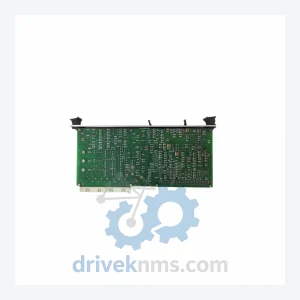
Yokogawa K9634DA-01 TCD Card Modules
Yokogawa K9634DA-01 is listed for Servo Drives RFQ review. Confirm quantity, condition and destination before quotation.
RFQ-ready industrial model
Model: AFV30D-A41262
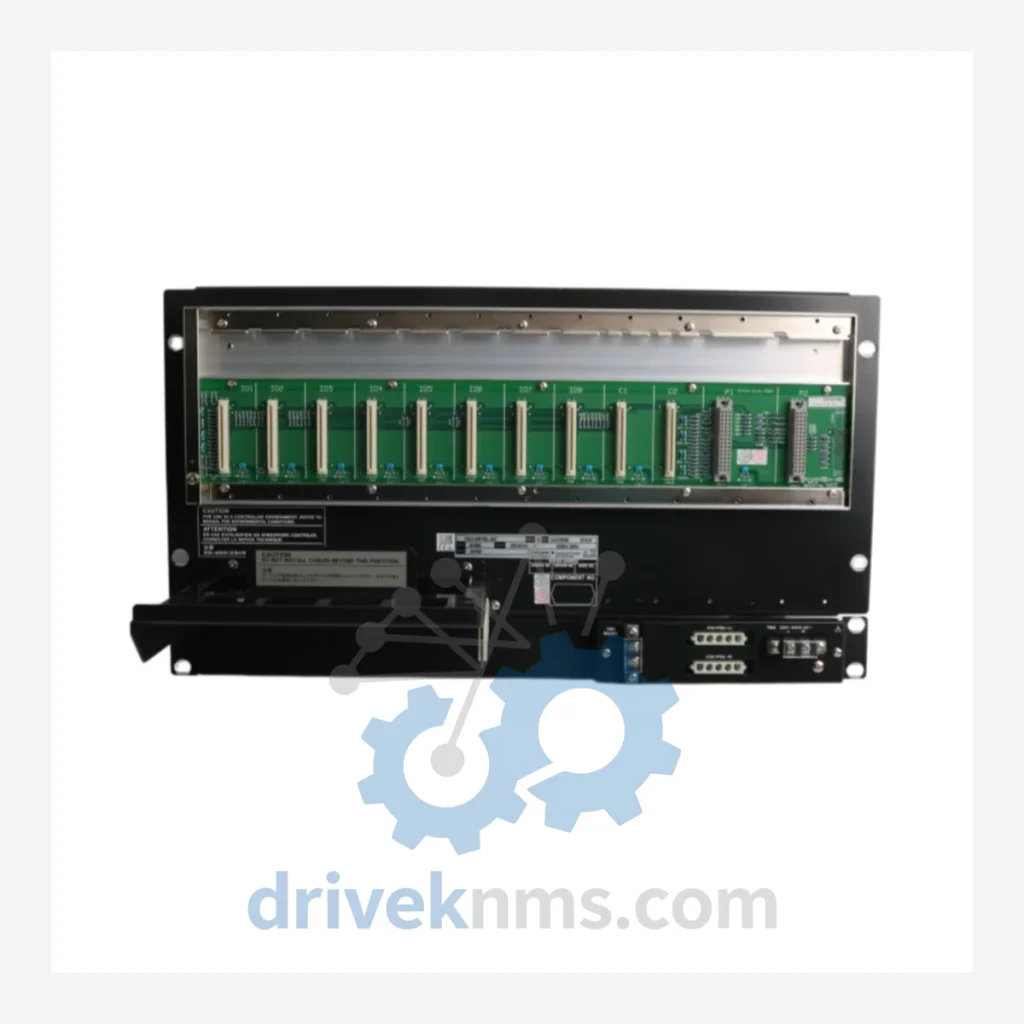
Product Overview
Commercial availability is handled through direct RFQ, model verification and export-oriented follow-up rather than public cart checkout.
Datasheet Preview
Use attached product manuals when available. If the manual is not public yet, request the full file directly through RFQ.
Commercial Path
Product pages on DRIVEKNMS are designed to verify model, brand and series first, then move the buyer into one clean quotation path.
Technical Dossier
RFQ support for obsolete parts: Send the model number, required quantity and destination so DriveKNMS can confirm sourcing options before quotation.
Note: Electrical parameters not independently verified. Specifications above are drawn from publicly available Yokogawa CENTUM documentation. Do not substitute parameters from other AFV-series variants without engineering confirmation.
The Yokogawa CENTUM CS and CS 3000 platforms were deployed extensively across refineries, chemical plants, LNG terminals, and power stations throughout the 1990s and 2000s. Many of these installations remain in active production today, operating well beyond their original design lifecycle — not because the technology is inadequate, but because the cost and risk of full DCS replacement cannot be justified against current capital budgets.
The AFV30D-A41262 Field Control Unit sits at the core of this architecture. It executes the real-time control logic that governs process loops — flow, pressure, temperature, and level — across field instrument networks. In a duplexed configuration, the system tolerates a single-module failure without process interruption. But when both units in a redundant pair are degraded, or when a spare is unavailable at the moment of failure, the exposure is immediate: unplanned shutdown, potential safety system activation, and the beginning of an unbudgeted capital project.
How to extend your CENTUM DCS asset life by 5 to 10 years — a practical framework for plant management:
Discontinued hardware sourced from the secondary market carries inherent condition uncertainty. DriveKNMS applies a structured 5-step qualification process to every AFV30D-A41262 unit before it is offered for sale.
Units that complete all five steps are classified as Qualified Refurbished and shipped with a condition report. Units that pass steps 1–4 but cannot be functionally tested due to system dependency are classified as Inspected – As Removed and priced accordingly.
Should I buy more than one unit?
For any CENTUM installation where the AFV30D-A41262 is a critical control node, holding a minimum of one verified spare is a baseline risk management measure. For plants with multiple FCU pairs or extended maintenance intervals, a holding of two to three units is a more defensible position. Secondary market availability of this part will not improve over time.
Can you source other CENTUM CS / CS 3000 spare parts?
Yes. DriveKNMS specializes in obsolete and hard-to-find components across the Yokogawa CENTUM platform and other legacy DCS and PLC systems. Contact us with your full part number and we will advise on availability.
Continue The Model Path
Move from this exact model into the matching system hub, brand archive, model-family archive or lifecycle sourcing route before sending a final RFQ list.
Related Paths
Yokogawa K9634DA-01 is listed for Servo Drives RFQ review. Confirm quantity, condition and destination before quotation.
Yokogawa UT350 UT350-01 is listed for Servo Drives RFQ review. Confirm quantity, condition and destination before quotation.
Yokogawa NFDR541-P00 S2 is listed for Servo Drives RFQ review. Confirm quantity, condition and destination before quotation.