
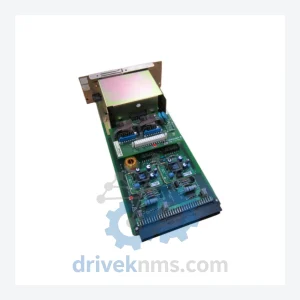
Yokogawa AIP502 V-Net Coupler Module – Obsolete CENTUM Series Spare Part
Yokogawa AIP502 is listed for Net Coupler Module RFQ review. Confirm quantity, condition and destination before quotation.
RFQ-ready industrial model
Model: ALE111-S50 S1
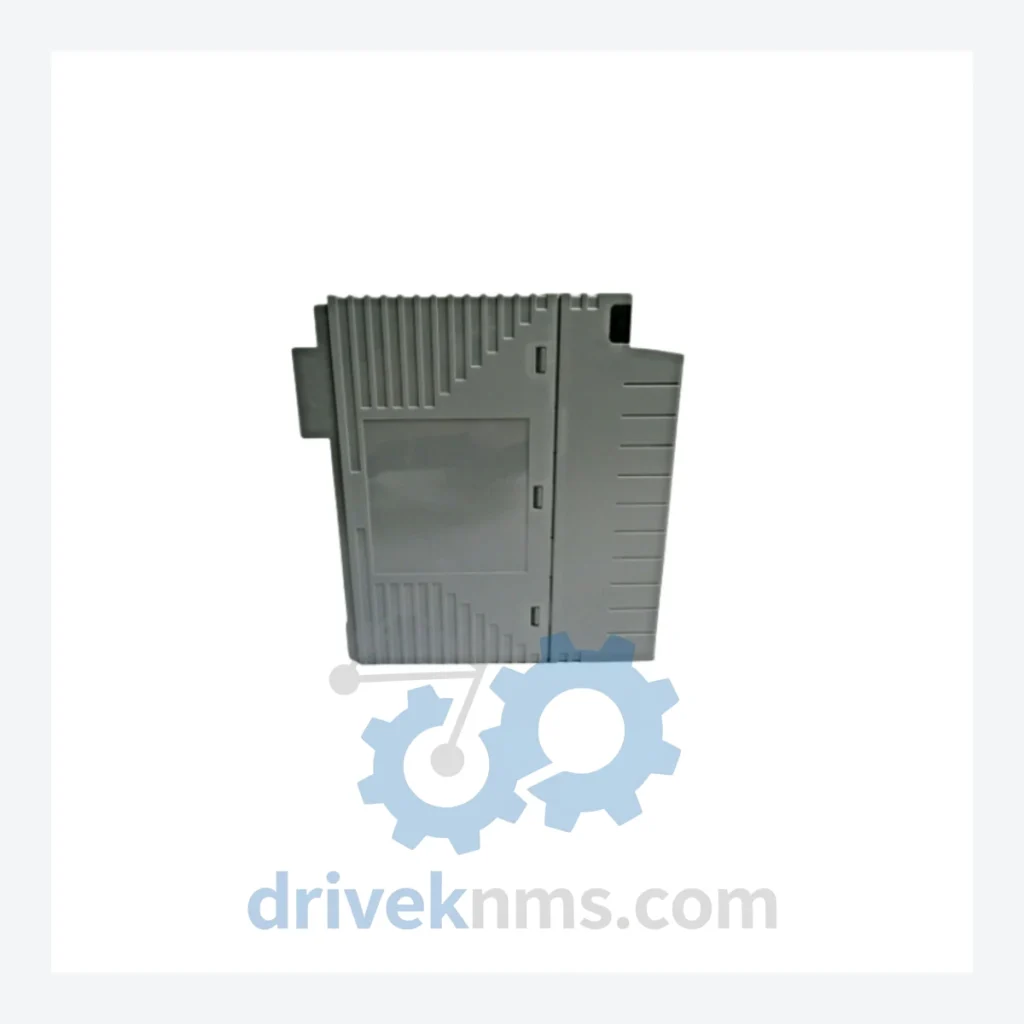
Product Overview
Commercial availability is handled through direct RFQ, model verification and export-oriented follow-up rather than public cart checkout.
Datasheet Preview
Use attached product manuals when available. If the manual is not public yet, request the full file directly through RFQ.
Commercial Path
Product pages on DRIVEKNMS are designed to verify model, brand and series first, then move the buyer into one clean quotation path.
Technical Dossier
The Yokogawa ALE111 series is a line of field communication interface modules deployed within the CENTUM CS 3000 and CENTUM VP distributed control systems (DCS). These modules serve as the physical-layer bridge between the Vnet/IP control network and field instrument buses, including FOUNDATION Fieldbus H1, PROFIBUS PA, and legacy analog signal loops. The ALE111 series has established a dominant installed base across global heavy industries — petrochemical complexes, LNG terminals, nuclear power auxiliary systems, offshore platforms, and continuous-process refineries — where long-term hardware stability and backward compatibility are non-negotiable operational requirements.
In facilities where a CENTUM CS 3000 or CENTUM VP system governs thousands of I/O points, the ALE111 module functions as a critical node. Its failure directly impacts field device communication, loop integrity, and process visibility. For this reason, maintaining certified spare ALE111 units on-site is standard practice in ISO 55000-aligned asset management programs.
The ALE111 module was introduced as part of Yokogawa's transition from the earlier CENTUM XL and CENTUM CS 1000 platforms toward the unified Vnet/IP architecture of CENTUM CS 3000 (released circa 1998) and its successor CENTUM VP (released 2008). Early revisions of the ALE111 supported single-segment FOUNDATION Fieldbus H1 communication at 31.25 kbit/s, with hardware-level redundancy achieved through paired module configurations in the AFS40D field control station.
Subsequent hardware revisions introduced enhanced diagnostic capabilities, expanded device descriptor (DD) libraries, and improved EMI shielding for high-noise industrial environments. The suffix notation in ALE111 part numbers encodes the hardware revision and software compatibility level — for example, ALE111-S50 denotes a specific hardware generation with defined firmware compatibility, while the trailing suffix (S1, S2, etc.) indicates the software revision level certified for that hardware.
As CENTUM VP R6 became the current production platform, older ALE111 revisions entered a maintenance-only lifecycle. Yokogawa's official policy provides hardware support for legacy modules for a defined period post-discontinuation, but field replacement units are increasingly sourced from certified third-party spare parts suppliers. Compatibility between ALE111 revisions and specific CENTUM VP software versions must be verified against Yokogawa's hardware compatibility matrix prior to installation.
The following SKUs represent verified models within the Yokogawa ALE111 communication module family, organized by functional classification:
Field Communication Interface Modules (FOUNDATION Fieldbus H1 / PROFIBUS PA)
Procurement inquiries for specific ALE111 part numbers — including obsolete revisions — should be submitted with the full part number including hardware and software suffix to ensure exact-match sourcing. Cross-revision substitution is possible in some configurations but requires compatibility verification against the target system's software version and I/O configuration.
The ALE111 module integrates a multi-layer backplane communication interface and a dedicated FOUNDATION Fieldbus H1 physical layer controller. Quality verification for this module type requires test procedures beyond standard power-on diagnostics.
DriveKNMS applies the following test protocol to all ALE111 units prior to dispatch:
Continue The Model Path
Move from this exact model into the matching system hub, brand archive, model-family archive or lifecycle sourcing route before sending a final RFQ list.
Related Paths
Yokogawa AIP502 is listed for Net Coupler Module RFQ review. Confirm quantity, condition and destination before quotation.
Yokogawa NP53*C is listed for CENTUM VP RFQ review. Confirm quantity, condition and destination before quotation.
Yokogawa NP53*A is listed for Controller Cards RFQ review. Confirm quantity, condition and destination before quotation.