
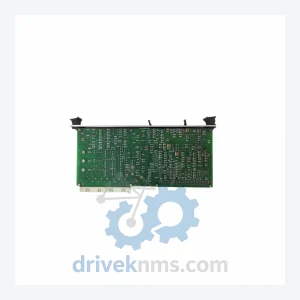
Yokogawa K9634DA-01 TCD Card Modules
Yokogawa K9634DA-01 is listed for Servo Drives RFQ review. Confirm quantity, condition and destination before quotation.
RFQ-ready industrial model
Model: ANB10D-427/CU2N
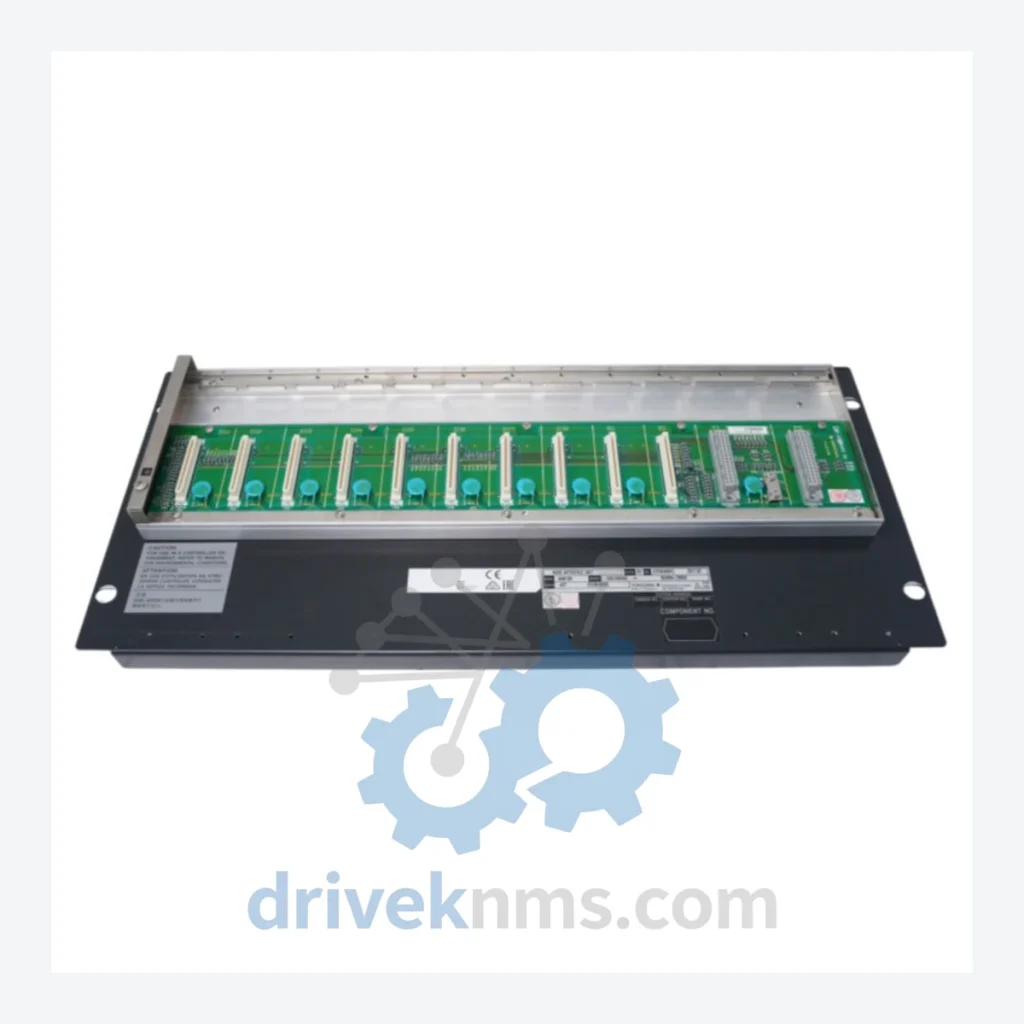
Product Overview
Commercial availability is handled through direct RFQ, model verification and export-oriented follow-up rather than public cart checkout.
Datasheet Preview
Use attached product manuals when available. If the manual is not public yet, request the full file directly through RFQ.
Commercial Path
Product pages on DRIVEKNMS are designed to verify model, brand and series first, then move the buyer into one clean quotation path.
Technical Dossier
The Yokogawa ANB10D series comprises ESB (Enhanced Signal Bus) Bus Node Units deployed within the CENTUM VP and CENTUM CS 3000 Distributed Control System (DCS) platforms. These modules serve as the physical and logical interface between the Field Control Station (FCS) backplane and remote I/O nodes distributed across process units. The ANB10D series has accumulated a substantial installed base in global heavy industry — including petrochemical complexes, nuclear power auxiliary systems, crude oil refineries, LNG terminals, and continuous pulp and paper mills — where long-term platform stability and backward compatibility are non-negotiable operational requirements.
Within a CENTUM VP architecture, the ANB10D node unit manages ESB communication at the segment level, enabling deterministic data exchange between the FCS CPU and remote I/O racks at distances up to 750 meters via coaxial or fiber-optic ESB cabling. Its role is infrastructure-critical: a failed node unit isolates an entire I/O segment from the control loop.
The ESB Bus Node architecture was introduced with the CENTUM CS platform in the mid-1990s as Yokogawa's answer to deterministic, high-availability field bus communication in large-scale DCS installations. The original ANB10 (non-D suffix) units operated on the standard ESB protocol with limited redundancy options. The ANB10D revision introduced dual-redundant ESB port capability, allowing hot-standby node configurations that eliminated single points of failure at the segment communication layer.
With the transition from CENTUM CS 3000 to CENTUM VP (introduced circa 2008), Yokogawa maintained ESB Bus Node compatibility as a deliberate migration strategy, allowing existing CS 3000 I/O infrastructure to be reused under a VP FCS. This cross-generation compatibility is a defining characteristic of the ANB10D series and a primary reason why these modules remain in active service in plants that have partially upgraded their control systems.
The ANB10D-427 sub-variant (as in ANB10D-427/CU2N) denotes a specific hardware revision and connector configuration optimized for coaxial ESB cabling with the CU2N cable assembly. Later revisions addressed EMI shielding improvements and extended operating temperature tolerance. As CENTUM VP itself matures into a sustained-support lifecycle, the ANB10D series has entered a phase where new production volumes are reduced and sourcing from certified secondary markets becomes the primary procurement channel for maintenance teams.
The following SKUs represent the verified ANB10D series and directly associated ESB Bus Node components within the Yokogawa CENTUM platform. Each entry reflects a distinct hardware configuration or cable/connector variant.
ANB10D-427/CU2N: ESB Bus Node Unit, coaxial port, CU2N cable assembly, standard redundancy
ANB10D-427/CU2R: ESB Bus Node Unit, coaxial port, CU2R redundant cable assembly, dual-port
ANB10D-427/FU2N: ESB Bus Node Unit, fiber-optic port, FU2N fiber assembly, extended-distance
ANB10D-427/FU2R: ESB Bus Node Unit, fiber-optic port, FU2R redundant fiber assembly, dual-port
ANB10D-427/CU1N: ESB Bus Node Unit, single coaxial port, non-redundant segment configuration
ANB10D-427/FU1N: ESB Bus Node Unit, single fiber-optic port, non-redundant long-distance segment
ANB10D-427/CU2N-R: Replacement/repair-grade ANB10D-427/CU2N with updated PCB revision
ANB10D-427/CU2R-R: Replacement/repair-grade ANB10D-427/CU2R with updated PCB revision
ANB10D-427: Base ESB Bus Node Unit without cable assembly, field-configurable port type
ANB10D-S: ESB Bus Node Unit, slim form factor, for compact FCS rack configurations
ANB10D-S/CU2N: Slim ESB Bus Node, coaxial dual-port, compact rack deployment
ANB10D-S/FU2N: Slim ESB Bus Node, fiber-optic dual-port, compact rack long-distance
ANB10D-R: Redundant ESB Bus Node Unit, hot-standby pair configuration, standard rack
ANB10D-R/CU2R: Redundant ESB Bus Node, coaxial dual-port, hot-standby with CU2R assembly
ANB10D-R/FU2R: Redundant ESB Bus Node, fiber-optic dual-port, hot-standby long-distance
ANB10D-427/CU2N-L: ESB Bus Node Unit, coaxial port, low-power variant for thermally constrained enclosures
ANB10D-427/FU2N-L: ESB Bus Node Unit, fiber-optic port, low-power variant, extended-distance segment
Our sourcing process for ANB10D modules includes direct procurement from decommissioned plant inventories, certified refurbishment of pulled units, and cross-referencing against Yokogawa's official hardware revision documentation to ensure compatibility with the target FCS firmware version. We maintain traceability records for all ANB10D units, including original plant of origin, decommission date, and pre-sale test results.
For plants operating CENTUM CS 3000 systems with no near-term migration budget, DriveKNMS provides multi-year supply agreements covering ANB10D node units, ensuring that a single failed module does not force an unplanned system upgrade. Minimum order quantities are flexible; single-unit emergency orders are accepted with expedited processing.
ESB Bus Node Units present specific test challenges due to their role as active communication bridges. Standard power-on verification is insufficient; each ANB10D unit processed by DriveKNMS undergoes a structured protocol that includes ESB segment simulation, node address assignment verification, dual-port switchover testing (for redundant variants), and coaxial/fiber signal integrity measurement at rated ESB clock frequencies.
Continue The Model Path
Move from this exact model into the matching system hub, brand archive, model-family archive or lifecycle sourcing route before sending a final RFQ list.
Related Paths
Yokogawa K9634DA-01 is listed for Servo Drives RFQ review. Confirm quantity, condition and destination before quotation.
Yokogawa UT350 UT350-01 is listed for Servo Drives RFQ review. Confirm quantity, condition and destination before quotation.
Yokogawa NFDR541-P00 S2 is listed for Servo Drives RFQ review. Confirm quantity, condition and destination before quotation.