
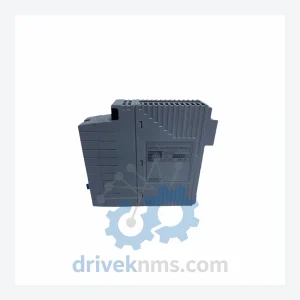
Yokogawa ANT502-10 Bus Repeater Module: CENTUM CS 3000 & VP Series
Yokogawa ANT502-10 is listed for CENTUM CS RFQ review. Confirm quantity, condition and destination before quotation.
RFQ-ready industrial model
Model: CP461-E1-S2
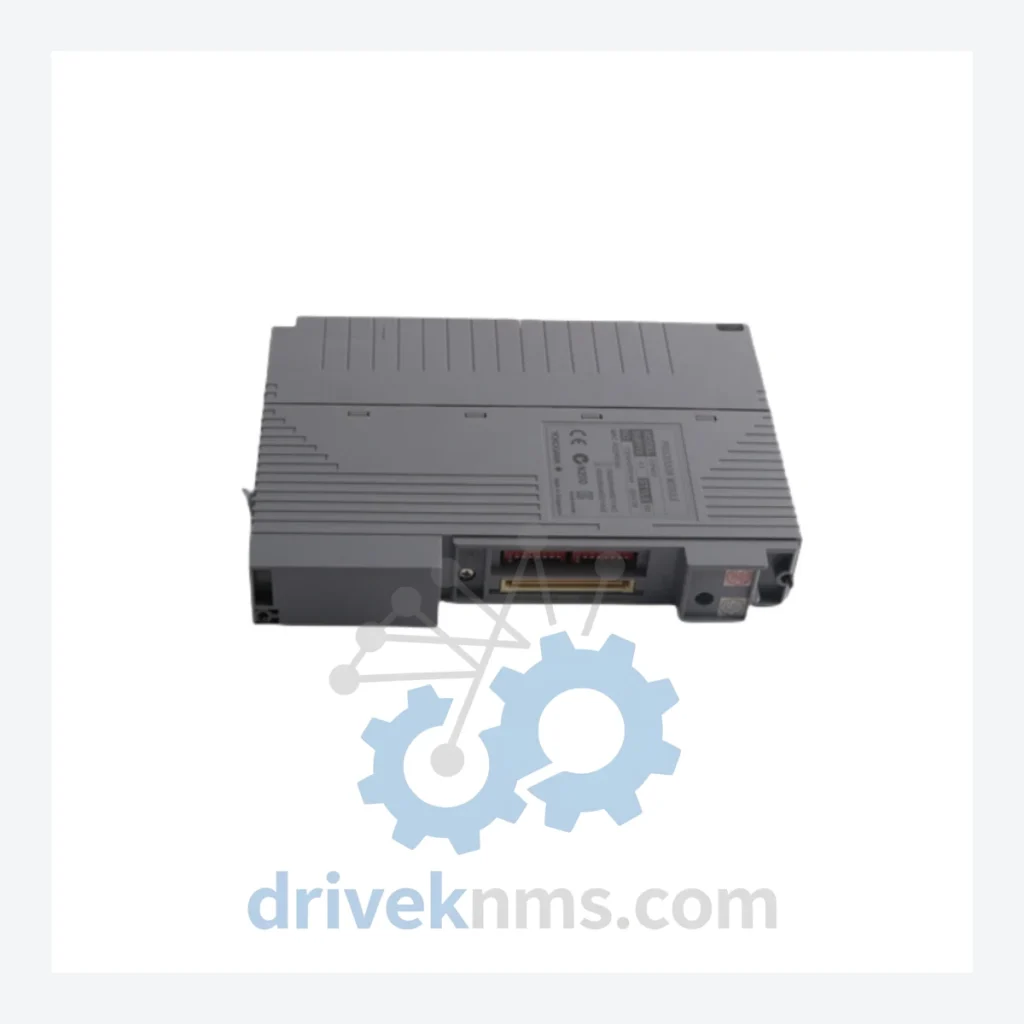
Product Overview
Commercial availability is handled through direct RFQ, model verification and export-oriented follow-up rather than public cart checkout.
Datasheet Preview
Use attached product manuals when available. If the manual is not public yet, request the full file directly through RFQ.
Commercial Path
Product pages on DRIVEKNMS are designed to verify model, brand and series first, then move the buyer into one clean quotation path.
Technical Dossier
The YOKOGAWA CENTUM CS 3000 is a field-proven Distributed Control System (DCS) platform deployed across heavy industrial sectors including petrochemical complexes, nuclear power facilities, LNG terminals, and crude oil refineries. First introduced in the late 1990s as the successor to the CENTUM CS, the CS 3000 architecture established a standard for high-availability process control in continuous and batch manufacturing environments. Its modular field control station (FCS) design, redundant CPU configurations, and Vnet/IP communication backbone have made it one of the most widely installed DCS platforms in Asia-Pacific and the Middle East. The CP461-E1-S2 is a Field Control Unit processor module within this ecosystem, responsible for executing control logic, managing I/O bus communication, and maintaining real-time process data exchange across the FCS backplane.
The CENTUM platform has undergone four distinct architectural generations since its inception in the 1970s. The original CENTUM (1975) introduced distributed digital control to process industries. CENTUM XL (1989) expanded I/O capacity and introduced redundant communication. CENTUM CS (1993) transitioned to Windows-based HMI and Ethernet-linked engineering stations. The CENTUM CS 3000 (1998) unified the FCS hardware platform around the Vnet token-ring bus and introduced the R3 revision series with enhanced CPU throughput and expanded memory addressing.
The CS 3000 R3 generation — which includes the CP461 processor family — introduced dual-redundant CPU pairing, hot-standby switchover under 1 second, and compatibility with both legacy CENTUM CS I/O modules and new generation ESB bus I/O. The platform entered its maturity phase circa 2010 with the introduction of CENTUM VP, which shares physical hardware compatibility with CS 3000 R3 modules but adds OPC-UA connectivity and enhanced cybersecurity layers. As of 2026, CENTUM CS 3000 is classified as a legacy platform by YOKOGAWA, with official support available through the company's lifecycle management program. Replacement parts, however, remain in active demand due to the long operational lifespan of installed base units — many facilities operate CS 3000 systems on 20+ year maintenance cycles.
The following SKUs represent verified components within the CENTUM CS 3000 / CS 1000 hardware ecosystem, organized by functional category:
Processor & CPU Modules
CP461-E1-S2: Field Control Unit processor, dual-redundant capable, ESB bus interface, R3 revision.
CP461-10: Standard FCU processor module, single configuration, Vnet interface.
CP451-10: Compact FCU processor for CS 1000, reduced I/O node count.
CP451-50: Enhanced CS 1000 processor with expanded memory and faster scan cycle.
CP401-10: Entry-level FCU processor, legacy CS platform compatibility.
I/O Modules – Analog Input (AI)
AAI141-S00: 16-channel analog input, 4–20 mA, HART-compatible, single-ended.
AAI143-S00: 16-channel analog input with HART multiplexer support.
AAI841-S00: 8-channel high-density analog input, isolated, for critical measurement loops.
AAI135-S00: 4-channel analog input, high-accuracy thermocouple/RTD universal input.
I/O Modules – Analog Output (AO)
AAO141-S00: 8-channel analog output, 4–20 mA, HART pass-through.
AAO181-S00: 4-channel high-current analog output for valve positioner applications.
I/O Modules – Digital Input (DI)
ADV141-P00: 32-channel digital input, 24 VDC, sink type, high-density terminal base.
ADV151-P00: 16-channel digital input, 110/220 VAC, isolated per channel.
I/O Modules – Digital Output (DO)
ADV551-P00: 16-channel digital output, relay contact, 2A per channel.
ADV161-P00: 32-channel transistor output, 24 VDC, source type.
Communication & Network Modules
ALR111-S00: Vnet/IP communication module, dual-port, redundant ring topology.
AER111-S00: ESB bus interface module for remote I/O node expansion.
ACF11: FOUNDATION Fieldbus H1 communication module, 2-segment, intrinsically safe option.
Power Supply Modules
APW105: 24 VDC field power supply, 5A, DIN rail mount, for FCS node power distribution.
APW100: Redundant power supply unit for FCU chassis, auto-switchover on failure.
YOKOGAWA officially transitioned CENTUM CS 3000 to limited lifecycle support status, meaning new production of certain modules — including specific CP461 processor variants and legacy AAI/ADV I/O cards — has been discontinued. For facilities operating CS 3000 systems beyond their original design life, sourcing replacement modules through the standard distribution channel is no longer reliable.
CENTUM CS 3000 modules — particularly processor and communication cards — require specialized validation procedures due to their backplane bus architecture and dual-redundancy logic. DriveKNMS applies the following test protocol to all CS 3000 modules prior to shipment:
Processor modules (CP461 series) are bench-tested using a live FCS chassis with Vnet/IP loopback to verify CPU initialization, memory integrity, and redundancy switchover timing. I/O modules are validated against calibrated signal sources: AI modules are tested across the full 4–20 mA range at 0%, 25%, 50%, 75%, and 100% span; DO modules are tested for contact resistance and switching cycle endurance. Communication modules (ALR111, AER111) undergo bus arbitration testing to confirm token-passing behavior under simulated network load. All modules are inspected for capacitor aging, corrosion on edge connectors, and firmware version compatibility before being released for sale.
Continue The Model Path
Move from this exact model into the matching system hub, brand archive, model-family archive or lifecycle sourcing route before sending a final RFQ list.
Related Paths
Yokogawa ANT502-10 is listed for CENTUM CS RFQ review. Confirm quantity, condition and destination before quotation.
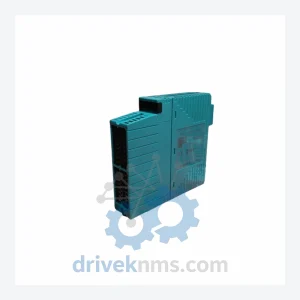
Yokogawa NFAI135-S51 is listed for CENTUM CS RFQ review. Confirm quantity, condition and destination before quotation.
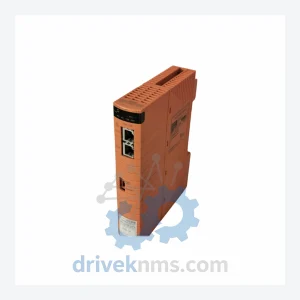
Yokogawa S2CP471-01 S1 is listed for CENTUM CS RFQ review. Confirm quantity, condition and destination before quotation.