
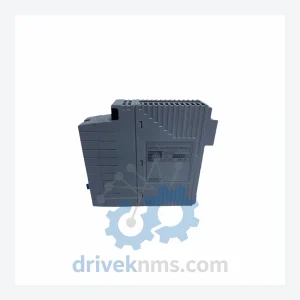
Yokogawa ANT502-10 Bus Repeater Module: CENTUM CS 3000 & VP Series
Yokogawa ANT502-10 is listed for CENTUM CS RFQ review. Confirm quantity, condition and destination before quotation.
RFQ-ready industrial model
Model: ER5*C
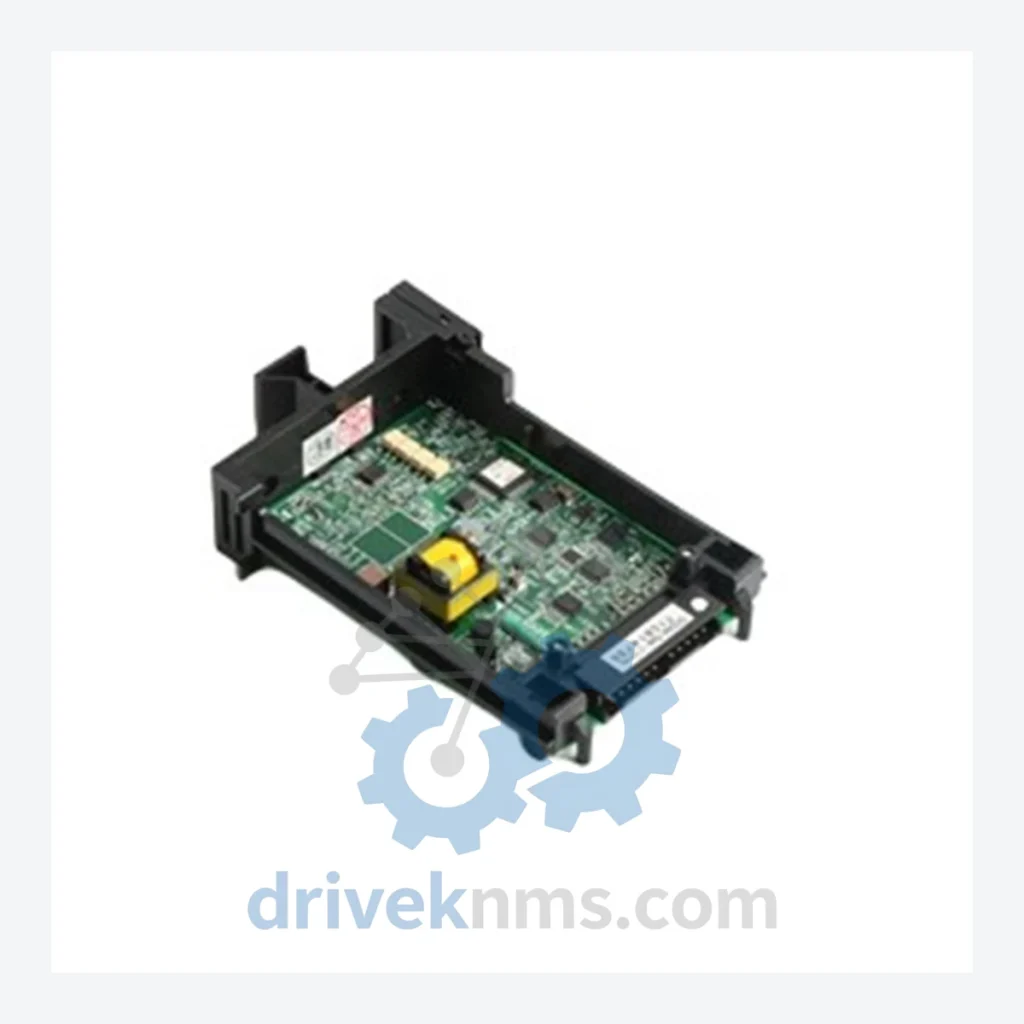
Product Overview
Commercial availability is handled through direct RFQ, model verification and export-oriented follow-up rather than public cart checkout.
Datasheet Preview
Use attached product manuals when available. If the manual is not public yet, request the full file directly through RFQ.
Commercial Path
Product pages on DRIVEKNMS are designed to verify model, brand and series first, then move the buyer into one clean quotation path.
Technical Dossier
RFQ support for obsolete parts: Send the model number, required quantity and destination so DriveKNMS can confirm sourcing options before quotation.
| Attribute | Detail |
|---|---|
| Manufacturer | Yokogawa Electric Corporation |
| Part Number | ER5*C |
| Module Type | RTD (Resistance Temperature Detector) Input Module |
| Compatible Platform | Yokogawa CENTUM CS / CENTUM CS 3000 DCS |
| Country of Origin | Japan |
| Lifecycle Status | Discontinued – No longer in production |
| Replacement Availability | No direct OEM equivalent; cross-platform migration required if unavailable |
Note: Detailed electrical parameters (input range, accuracy, isolation voltage) are not published here to avoid inaccuracy. Confirmed specifications are provided upon request with unit serial number verification.
The Yokogawa CENTUM CS platform was deployed extensively across refining, petrochemical, and power generation facilities throughout the 1990s and 2000s. Many of these installations remain in active service. The control logic, operator interfaces, and field wiring built around CENTUM CS architecture represent decades of engineering investment that cannot be replicated by simply purchasing a newer DCS.
The ER5*C RTD input module occupies a specific I/O slot within the CENTUM CS field control station. Its function — converting resistance signals from RTD sensors into process variable data for the controller — is fundamental to temperature monitoring loops. There is no software workaround for a failed input module. The loop goes offline. In a process environment where temperature control governs product quality, equipment protection, or safety interlocks, an offline loop is not an acceptable operating condition.
Sourcing a verified ER5*C from existing inventory is the lowest-cost, lowest-risk path to restoring loop integrity. The alternative — a platform migration — requires new hardware procurement, control logic re-engineering, operator retraining, and a commissioning shutdown. For a single failed card, that calculus is difficult to justify to plant ownership.
How to extend your CENTUM CS asset life by 5–10 years:
Discontinued modules sourced from the secondary market carry inherent risk if not properly evaluated. DriveKNMS applies a five-step inspection protocol to every ER5*C unit before it is offered for sale:
How do I confirm the unit is new or quality-refurbished?
Each unit is accompanied by its inspection record. Condition classification (new surplus, tested refurbished) is stated explicitly in the product documentation provided at shipment. We do not mix condition grades within a single order without explicit disclosure.
Should I purchase more than one unit?
For any CENTUM CS installation with multiple ER5*C slots in service, holding at least two spare units is the standard recommendation. The secondary market supply of this module is not replenished. Once current inventory is exhausted, sourcing timelines become unpredictable. Facilities that have experienced a single failure are statistically more likely to experience a second within the same maintenance cycle.
Can you source other CENTUM CS modules?
Yes. DriveKNMS maintains inventory across a range of Yokogawa CENTUM CS and CENTUM CS 3000 I/O and controller modules. Contact us with your full part number list for availability confirmation.
Continue The Model Path
Move from this exact model into the matching system hub, brand archive, model-family archive or lifecycle sourcing route before sending a final RFQ list.
Related Paths
Yokogawa ANT502-10 is listed for CENTUM CS RFQ review. Confirm quantity, condition and destination before quotation.
Yokogawa NFAI135-S51 is listed for CENTUM CS RFQ review. Confirm quantity, condition and destination before quotation.
Yokogawa S2CP471-01 S1 is listed for CENTUM CS RFQ review. Confirm quantity, condition and destination before quotation.