
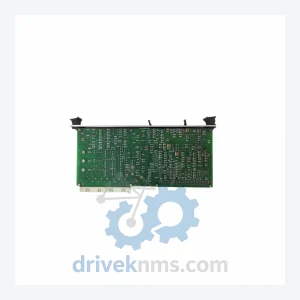
Yokogawa K9634DA-01 TCD Card Modules
Yokogawa K9634DA-01 is listed for Servo Drives RFQ review. Confirm quantity, condition and destination before quotation.
RFQ-ready industrial model
Model: F3NC02-ON-Z01
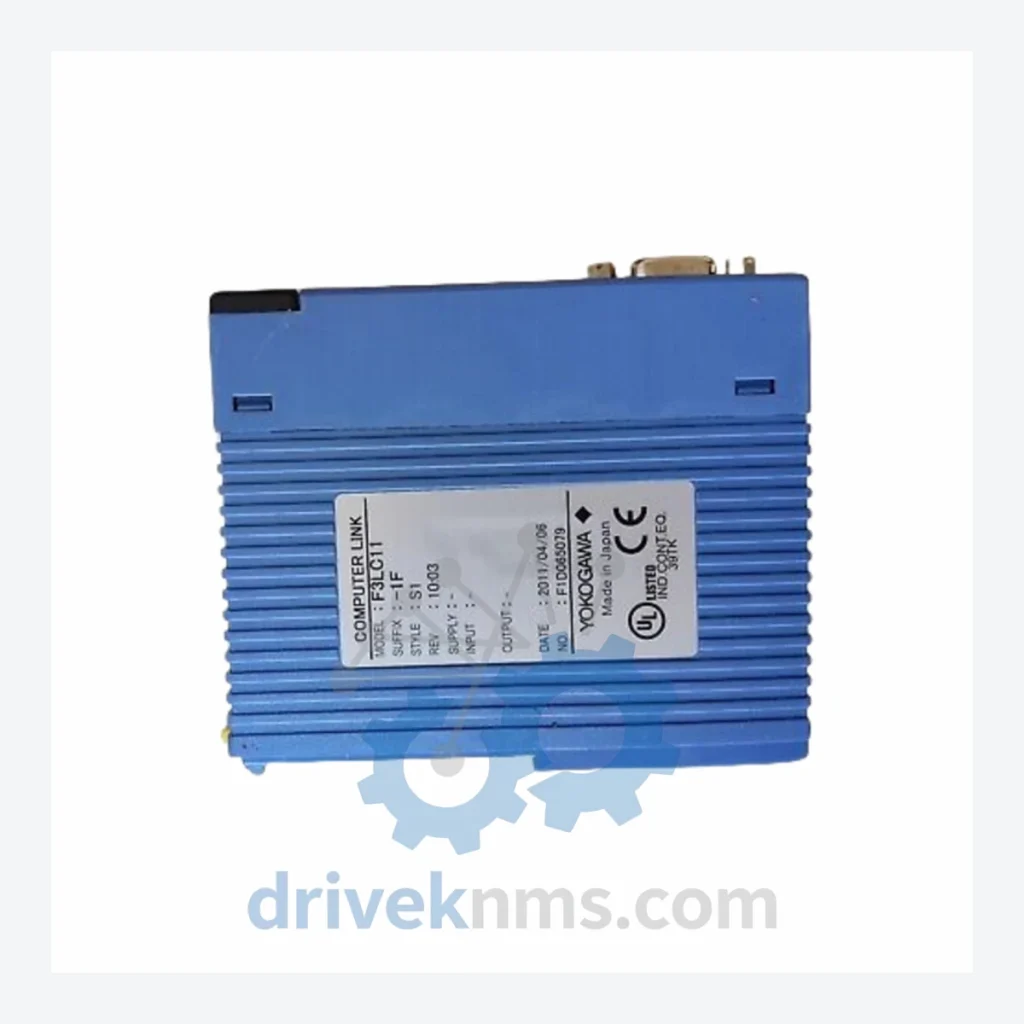
Product Overview
Commercial availability is handled through direct RFQ, model verification and export-oriented follow-up rather than public cart checkout.
Datasheet Preview
Use attached product manuals when available. If the manual is not public yet, request the full file directly through RFQ.
Commercial Path
Product pages on DRIVEKNMS are designed to verify model, brand and series first, then move the buyer into one clean quotation path.
Technical Dossier
RFQ support for obsolete parts: Send the model number, required quantity and destination so DriveKNMS can confirm sourcing options before quotation.
| Parameter | Detail |
|---|---|
| Manufacturer | Yokogawa Electric Corporation |
| Part Number | F3NC02-ON-Z01 |
| Series | FA-M3 (STARDOM Compatible) |
| Module Type | Motion Control / Servo Control Module |
| Country of Origin | Japan |
| Discontinuation Status | Discontinued – No longer in active production by Yokogawa |
| Compatible Systems | Yokogawa FA-M3 Series PLC Racks |
| Typical Legacy Environments | Yokogawa FA-M3 / STARDOM FCN-RTU based automation systems |
Note: Electrical parameters such as axis count, pulse output specifications, and encoder interface type are not published here to avoid inaccuracy. Confirmed specifications are provided upon request with supporting documentation.
The Yokogawa FA-M3 platform entered widespread deployment in the late 1990s and 2000s. Many facilities running this platform have accumulated 15 to 25 years of operational history — calibrated processes, validated control sequences, and institutional knowledge embedded in the existing code base. The F3NC02-ON-Z01 motion control module sits at the center of coordinated axis management within these racks. There is no software-only workaround when this module fails. The physical hardware must be replaced with an identical or fully compatible unit.
For plant managers and maintenance engineers facing pressure to retire aging FA-M3 infrastructure, the following strategy has been applied successfully across multiple facilities to defer costly platform migrations while maintaining production reliability:
1. Conduct a critical module audit. Identify every FA-M3 rack slot occupied by a motion, communication, or specialty I/O module that is no longer available through standard channels. The F3NC02-ON-Z01 is typically one of the first modules to appear on this list.
3. Implement a scheduled preventive swap cycle. Rather than waiting for failure, rotate the active module on a defined interval — typically every 36 to 48 months — to prevent latent component degradation from causing an unplanned outage. The removed module enters the QA refurbishment cycle.
4. Maintain firmware version records. FA-M3 motion modules are firmware-dependent. Document the exact firmware version running in each slot. When sourcing replacement units, verify firmware compatibility before installation. DriveKNMS provides firmware version disclosure on all units where this information is available.
5. Negotiate a long-term supply agreement. If your facility operates multiple FA-M3 systems, contact DriveKNMS to discuss a reserved inventory arrangement. This locks in access to RFQ-reviewed sourcing status before market availability deteriorates further.
This approach has allowed facilities to extend FA-M3 platform service life by five to ten years without capital expenditure on new control systems — preserving both the operational investment and the institutional knowledge embedded in the existing automation architecture.
Every F3NC02-ON-Z01 unit shipped by DriveKNMS passes a structured five-stage inspection protocol before dispatch:
Stage 1 – Visual and Mechanical Inspection: Full examination of the module housing, connector pins, and PCB surface. Pin corrosion, bent contacts, and physical damage are grounds for rejection at this stage.
Stage 2 – Electrolytic Capacitor Assessment: Aged electrolytic capacitors are the primary failure mode in legacy motion control modules. Each unit is assessed for capacitor bulging, leakage, and ESR deviation. Units with suspect capacitors are either reconditioned or rejected.
Stage 3 – Firmware Version Verification: Where accessible, the firmware version is read and recorded. This information is disclosed to the buyer prior to shipment to confirm compatibility with the target system.
Stage 4 – Functional Power-On Test: The module is powered within a compatible FA-M3 rack environment and observed for correct initialization behavior and absence of fault codes.
Stage 5 – Anti-Static Packaging and Documentation: Units are packaged in ESD-safe materials with a condition report. Traceability documentation is included where available.
Drop-in replacement: The F3NC02-ON-Z01 installs directly into the existing FA-M3 rack slot. No rack modification, no wiring changes, no I/O remapping.
No reprogramming required: The existing FA-M3 control program continues to operate without modification. Engineering time for installation is measured in hours, not weeks.
Avoids platform migration costs: Replacing this module with a verified spare eliminates the need to evaluate, procure, and commission an entirely new control platform — a process that routinely costs ten to one hundred times the price of a spare module.
Preserves validated processes: In regulated industries — pharmaceutical manufacturing, food processing, chemical production — the control system validation record is a compliance asset. Maintaining the existing hardware preserves that validation status. A platform migration triggers a full revalidation cycle.
How do I confirm the unit is genuine and not counterfeit?
All units sourced by DriveKNMS are inspected for authenticity markers including label integrity, PCB markings, and component consistency. We do not source from unverified brokers. Provenance documentation is provided where available. Buyers are encouraged to request a pre-shipment inspection report.
Continue The Model Path
Move from this exact model into the matching system hub, brand archive, model-family archive or lifecycle sourcing route before sending a final RFQ list.
Related Paths
Yokogawa K9634DA-01 is listed for Servo Drives RFQ review. Confirm quantity, condition and destination before quotation.
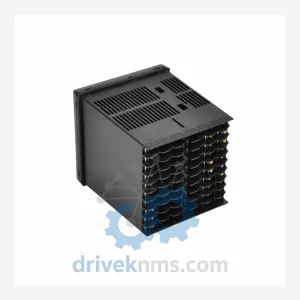
Yokogawa UT350 UT350-01 is listed for Servo Drives RFQ review. Confirm quantity, condition and destination before quotation.
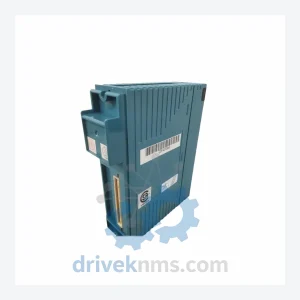
Yokogawa NFDR541-P00 S2 is listed for Servo Drives RFQ review. Confirm quantity, condition and destination before quotation.