
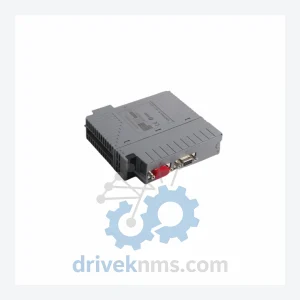
YOKOGAWA ALP111-S00 S1 Communication Module – STARDOM Series
Yokogawa ALP111-S00 S1 is listed for STARDOM RFQ review. Confirm quantity, condition and destination before quotation.
RFQ-ready industrial model
Model: F3RZ81-OF
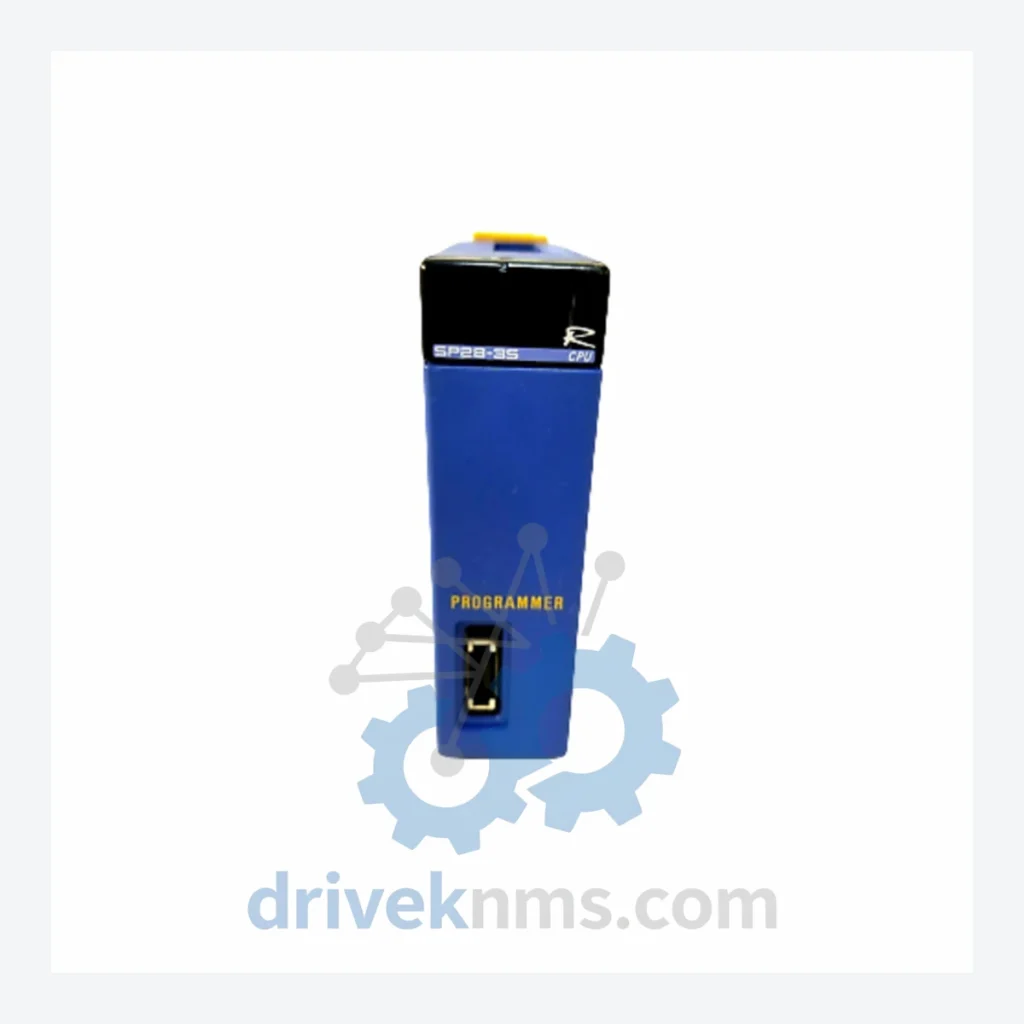
Product Overview
Commercial availability is handled through direct RFQ, model verification and export-oriented follow-up rather than public cart checkout.
Datasheet Preview
Use attached product manuals when available. If the manual is not public yet, request the full file directly through RFQ.
Commercial Path
Product pages on DRIVEKNMS are designed to verify model, brand and series first, then move the buyer into one clean quotation path.
Technical Dossier
DriveKNMS maintains a carefully managed inventory of hard-to-find YOKOGAWA modules. The F3RZ81-OF units we hold have been physically inspected and functionally assessed before listing. Availability at this level is not guaranteed to persist.
RFQ support for obsolete parts: Send the model number, required quantity and destination so DriveKNMS can confirm sourcing options before quotation.
Note: Electrical parameters such as voltage ratings, bus interface specifications, and firmware revision data are not published here to avoid inaccuracy. Confirmed technical datasheets are provided upon request alongside quotation.
The YOKOGAWA STARDOM platform was engineered for long-cycle industrial deployments. Many facilities commissioned these systems in the 2000s with an expected operational life of 20–30 years. The F3RZ81-OF communication module sits at the data exchange layer of the FCN/FCJ controller — handling protocol translation and network interfacing that the rest of the control node depends on. There is no generic substitute. Replacing it with a non-OEM alternative requires firmware-level reconfiguration and carries certification risk in regulated industries.
Facilities running STARDOM-based control loops for compressor management, flow control, or safety instrumented functions cannot afford ambiguity in their spare parts strategy. A single unplanned shutdown in a continuous process plant typically costs more per day than an entire year's worth of proactive spare parts procurement.
The decision to extend a legacy control system rather than replace it is not a compromise — it is a defensible capital allocation strategy when executed with discipline. The following approach has been applied successfully across facilities running YOKOGAWA STARDOM, Honeywell TDC 3000, and ABB MasterPiece platforms:
1. Criticality mapping: Identify every module in the control architecture that is discontinued or approaching end-of-life. Rank by failure impact on production throughput. The F3RZ81-OF, as a communication backbone component, typically sits in the highest criticality tier.
3. Condition-based monitoring: Implement periodic functional checks on communication modules — packet loss rates, response latency, and error log frequency are early indicators of degradation before hard failure occurs.
4. Firmware version control: Document the exact firmware revision running on each installed module. When sourcing replacements, confirm version compatibility before installation. Mismatched firmware on communication modules can cause silent data errors that are difficult to diagnose.
Q: How are RFQ terms confirmed?
A: Quantity, required condition, documentation needs, destination and sourcing route are confirmed during RFQ review before quotation.
Applied consistently, this framework allows facilities to defer a multi-million dollar DCS migration by a decade or more — while maintaining system reliability within acceptable risk parameters.
Every F3RZ81-OF unit processed through DriveKNMS undergoes a structured 5-step assessment before it is offered for sale:
Step 1 – Visual and mechanical inspection: Physical examination of the PCB, connector pins, and housing for corrosion, mechanical damage, or evidence of prior field failure. Units with pin corrosion or board-level burn marks are rejected at this stage.
Step 2 – Electrolytic capacitor assessment: Aged electrolytic capacitors are a primary failure mode in modules that have been in storage or field service for extended periods. Capacitors showing visible bulging, electrolyte leakage, or out-of-specification ESR readings are flagged for replacement or the unit is downgraded.
Step 4 – Functional power-on test: The module is powered and basic communication handshake behavior is verified where test infrastructure permits. Results are logged.
Step 5 – Packaging and ESD protection: Units are packaged in anti-static bags with desiccant and rigid outer packaging to prevent transit damage and moisture ingress during international shipping.
Drop-in replacement compatibility: The F3RZ81-OF is designed to slot directly into the existing FCN/FCJ chassis without mechanical modification. No re-engineering of the control cabinet is required.
No reprogramming required: In standard replacement scenarios, the module adopts the existing network configuration from the controller. This eliminates the need for a controls engineer to be on-site for the swap, reducing both cost and recovery time.
Avoids system-wide migration costs: Keeping the existing STARDOM architecture operational with verified OEM spares avoids the engineering, validation, and production-loss costs associated with migrating to a new control platform. For most facilities, this represents a cost avoidance measured in hundreds of thousands to millions of dollars per migration event deferred.
Supports regulated industry compliance: Using OEM-equivalent hardware maintains the integrity of the validated control system configuration — relevant for facilities operating under FDA, ATEX, or functional safety (IEC 61511) frameworks.
Q: Can you support multi-unit or repeat RFQ requests?
A: Yes. Send the model list, target quantity and destination so DRIVEKNMS can review sourcing options and quote the requirement as a project RFQ.
Q: Can you source other YOKOGAWA STARDOM modules?
A: Yes. DriveKNMS specializes in hard-to-find and discontinued industrial automation components across multiple OEM brands. Contact us with your full BOM or part list for a consolidated sourcing assessment.
Continue The Model Path
Move from this exact model into the matching system hub, brand archive, model-family archive or lifecycle sourcing route before sending a final RFQ list.
Related Paths
Yokogawa ALP111-S00 S1 is listed for STARDOM RFQ review. Confirm quantity, condition and destination before quotation.
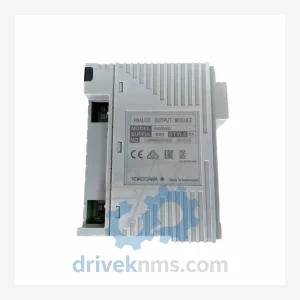
Yokogawa AAT145-S50 S1 is listed for STARDOM RFQ review. Confirm quantity, condition and destination before quotation.
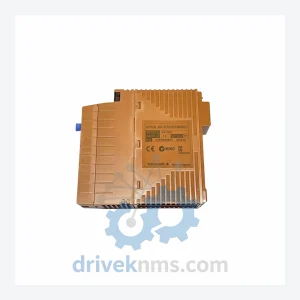
Yokogawa SNT501-13 is listed for STARDOM RFQ review. Confirm quantity, condition and destination before quotation.