
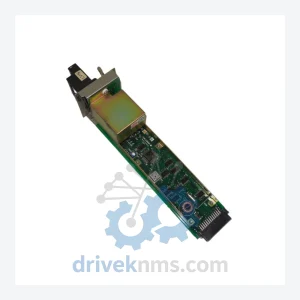
YOKOGAWA AIP512 RIO Bus Connection Module – CENTUM Series
Yokogawa AIP512 is listed for CENTUM Series RFQ review. Confirm quantity, condition and destination before quotation.
RFQ-ready industrial model
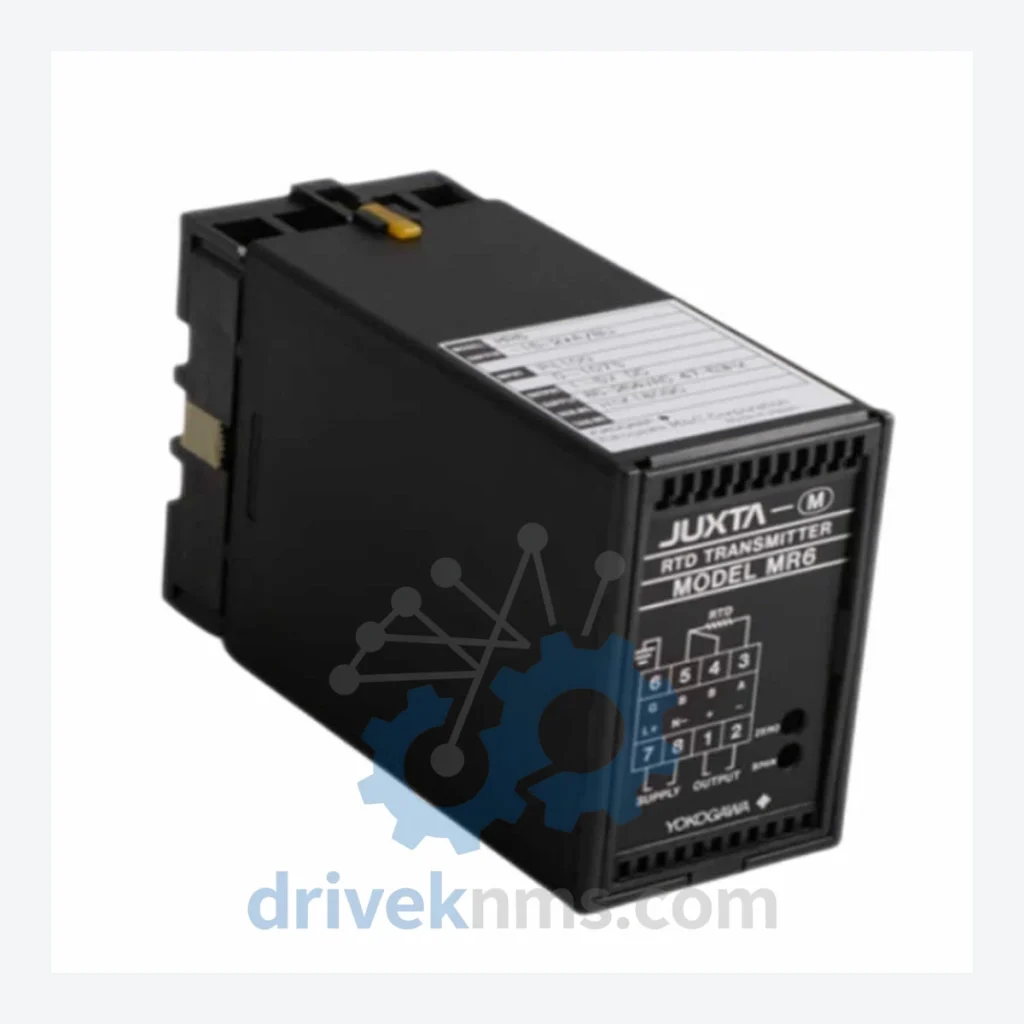
Model: MR6-16-2*A MR6-16-2*A/BU
Product Overview
Commercial availability is handled through direct RFQ, model verification and export-oriented follow-up rather than public cart checkout.
Datasheet Preview
Use attached product manuals when available. If the manual is not public yet, request the full file directly through RFQ.
Commercial Path
Product pages on DRIVEKNMS are designed to verify model, brand and series first, then move the buyer into one clean quotation path.
Technical Dossier
When a transmitter module fails inside a Yokogawa MR Series recorder or data acquisition system, the consequences extend far beyond a single instrument going offline. For facilities running legacy process monitoring infrastructure, a single unavailable spare can trigger a cascade: production halts, regulatory compliance gaps, and — in the worst case — a forced capital project to replace an entire measurement and recording architecture that may cost hundreds of thousands to millions of dollars. The MR6-16-2-A is no longer in active production. Finding a verified, functional unit is not a routine procurement task. DriveKNMS maintains sourced inventory of discontinued Yokogawa components specifically to prevent that forced upgrade scenario.
RFQ support for obsolete parts: Send the model number, required quantity and destination so DriveKNMS can confirm sourcing options before quotation.
| Attribute | Detail |
|---|---|
| Manufacturer | Yokogawa Electric Corporation |
| Part Number | MR6-16-2-A / MR6-16-2-A/BU |
| Series | MR Series (µR/MR Recorder / Data Acquisition) |
| Module Type | Transmitter Input Module |
| Country of Origin | Japan |
| Production Status | Discontinued – No longer manufactured by Yokogawa |
| Compatibility | Yokogawa MR6000 / µR10000 / µR20000 series platforms (verify against your system configuration) |
Note: Electrical parameters not independently verified. Specifications above are based on known series characteristics. Buyers are advised to cross-reference against their system documentation before ordering.
The Yokogawa MR Series recorders and data acquisition platforms were deployed extensively across pharmaceutical manufacturing, chemical processing, food and beverage, and utilities sectors throughout the 1990s and 2000s. These systems were engineered for long service lives and many remain in active use today — not because operators are unaware of newer alternatives, but because the cost and disruption of replacing a validated, embedded measurement infrastructure is prohibitive.
When Yokogawa discontinued the MR6-16-2-A and related modules, it did not eliminate the installed base. It eliminated the supply chain. Facilities that did not build strategic spare inventories at the time of discontinuation now face a hard reality: a single module failure can render an entire multi-channel recording system inoperable. In regulated industries, that means not just lost production but potential audit findings and batch record gaps.
Discontinued hardware sourced from the secondary market carries inherent risk. DriveKNMS applies a 5-step quality assurance process to every MR6-16-2-A unit before it leaves our facility:
How do I know the unit is genuine and not counterfeit?
All units sourced by DriveKNMS are verified against known Yokogawa part markings, label formats, and PCB characteristics. We do not source from unverified brokers. Provenance documentation is available on request for units where supply chain records exist.
Continue The Model Path
Move from this exact model into the matching system hub, brand archive, model-family archive or lifecycle sourcing route before sending a final RFQ list.
Related Paths
Yokogawa AIP512 is listed for CENTUM Series RFQ review. Confirm quantity, condition and destination before quotation.
Yokogawa KS1*B is listed for DCS Cards RFQ review. Confirm quantity, condition and destination before quotation.
Yokogawa SR1B-045N-1KC is listed for CENTUM Series RFQ review. Confirm quantity, condition and destination before quotation.