
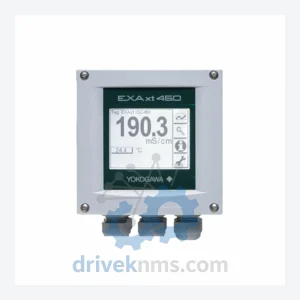
Yokogawa SC450G-A-A
Yokogawa SC450G-A-A is listed for Monitoring Systems RFQ review. Confirm quantity, condition and destination before quotation.
RFQ-ready industrial model
Model: MW100-E-1D
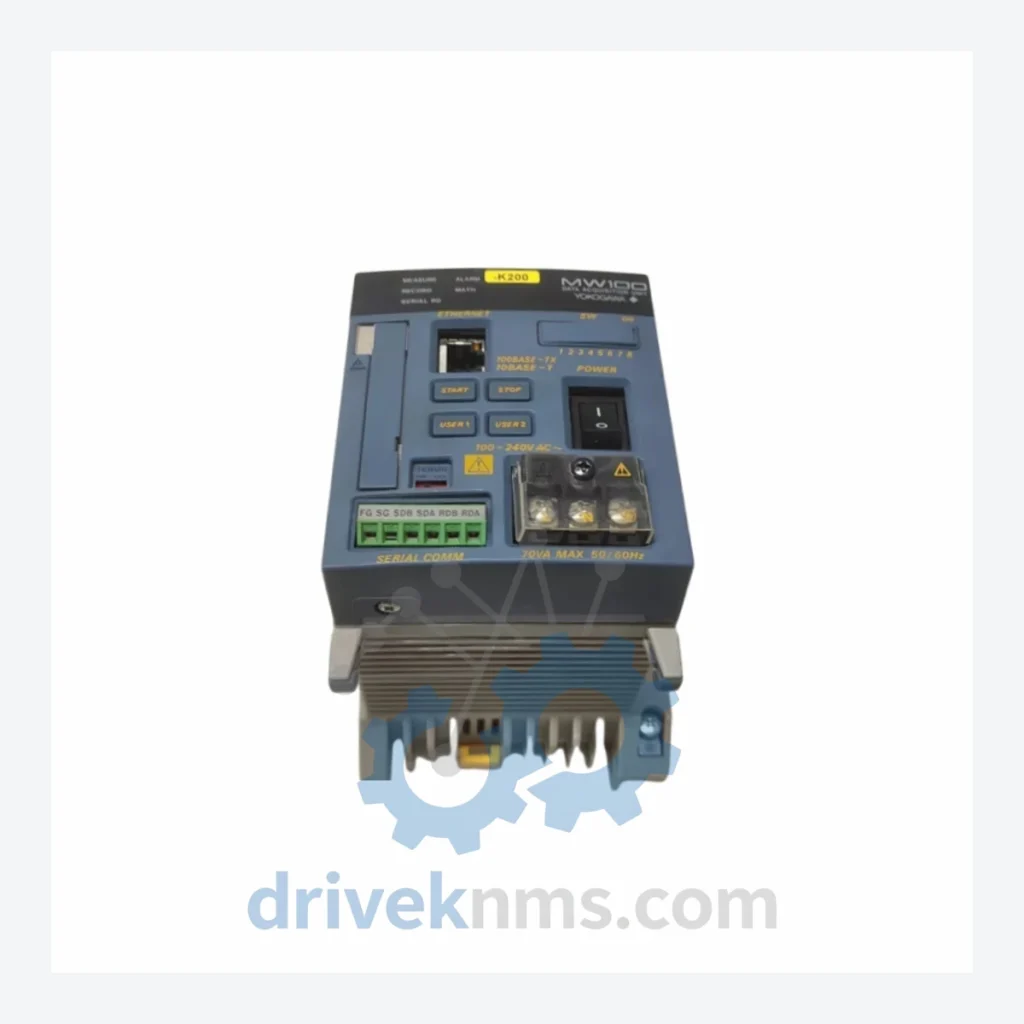
Product Overview
Commercial availability is handled through direct RFQ, model verification and export-oriented follow-up rather than public cart checkout.
Datasheet Preview
Use attached product manuals when available. If the manual is not public yet, request the full file directly through RFQ.
Commercial Path
Product pages on DRIVEKNMS are designed to verify model, brand and series first, then move the buyer into one clean quotation path.
Technical Dossier
When the MW100-E-1D fails and no replacement unit is available through standard distribution channels, the consequences extend far beyond a single instrument. The MW100 series sits at the data collection backbone of numerous process monitoring and quality assurance systems built in the 2000s and early 2010s. A forced migration away from this platform — driven solely by a single failed module — routinely triggers engineering re-validation, software reconfiguration, and full system requalification costs that run well into six figures. DriveKNMS maintains RFQ-reviewed sourcing status of the MW100-E-1D specifically to prevent that scenario. This is not a commodity listing. It is a targeted asset-protection resource for facilities that cannot afford unplanned capital expenditure.
RFQ support for obsolete parts: Send the model number, required quantity and destination so DriveKNMS can confirm sourcing options before quotation.
| Parameter | Detail |
|---|---|
| Manufacturer | Yokogawa Electric Corporation |
| Model Number | MW100-E-1D |
| Series | MW100 (Discontinued) |
| Product Category | Data Acquisition Unit / DAQ Module |
| Country of Origin | Japan |
| Discontinuation Status | Officially discontinued by Yokogawa; no longer available through standard OEM channels |
| Communication Interface | Ethernet (as indicated by the -E suffix) |
| Compatible Systems | Yokogawa MW100 mainframe-based DAQ configurations; legacy SCADA and DCS data collection architectures |
Note: Electrical parameters not independently verified. Specifications above are based on published series documentation. Buyers are advised to cross-reference against their system documentation prior to ordering.
The Yokogawa MW100 platform was widely deployed across pharmaceutical batch monitoring, power generation data logging, and chemical process quality systems throughout the 2000s. Its modular architecture — combining a central mainframe with interchangeable I/O modules — made it a preferred choice for facilities requiring high channel-count, high-accuracy analog data acquisition without the overhead of a full DCS expansion.
Yokogawa's formal discontinuation of the MW100 series has left a significant installed base without a direct upgrade path that preserves existing wiring infrastructure, calibration records, and validated software interfaces. The MW100-E-1D, as the Ethernet-connected mainframe unit, is the single most critical component in any MW100 deployment. Its failure does not merely interrupt data collection — it severs the entire network-accessible DAQ node.
Facilities operating validated environments (FDA 21 CFR Part 11, ISO/IEC 17025 calibration labs, or IEC 61511 safety-instrumented systems) face a particularly acute problem: replacing the MW100 platform requires re-validation of the entire data acquisition chain, a process that can take 6–18 months and consume engineering resources that are rarely available on short notice. Maintaining a spare MW100-E-1D unit eliminates this risk entirely. The cost of one spare unit is, in most cases, less than two days of engineering time required to begin a platform migration.
For plant managers and reliability engineers operating aging automation infrastructure, the calculus is straightforward: a verified spare on the shelf extends the productive life of the surrounding system by years, defers capital expenditure to a planned budget cycle, and keeps production running on a known, validated platform.
DriveKNMS applies a 5-step quality assurance process to all discontinued and legacy hardware before dispatch review:
Continue The Model Path
Move from this exact model into the matching system hub, brand archive, model-family archive or lifecycle sourcing route before sending a final RFQ list.
Related Paths
Yokogawa SC450G-A-A is listed for Monitoring Systems RFQ review. Confirm quantity, condition and destination before quotation.
Yokogawa SC4AJ-S-AD-09 is listed for SC4AJ Series Conductivity RFQ review. Confirm quantity, condition and destination before quotation.
Yokogawa SDV541-S23 S3 is listed for SDV500 Series Output RFQ review. Confirm quantity, condition and destination before quotation.