
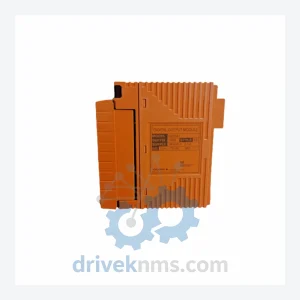
YOKOGAWA CENTUM VP / CS 3000 SDV531-S63 Digital Output Module
Yokogawa SDV531-S63 is listed for CENTUM VP RFQ review. Confirm quantity, condition and destination before quotation.
RFQ-ready industrial model
Model: NFBU200-S05 S2
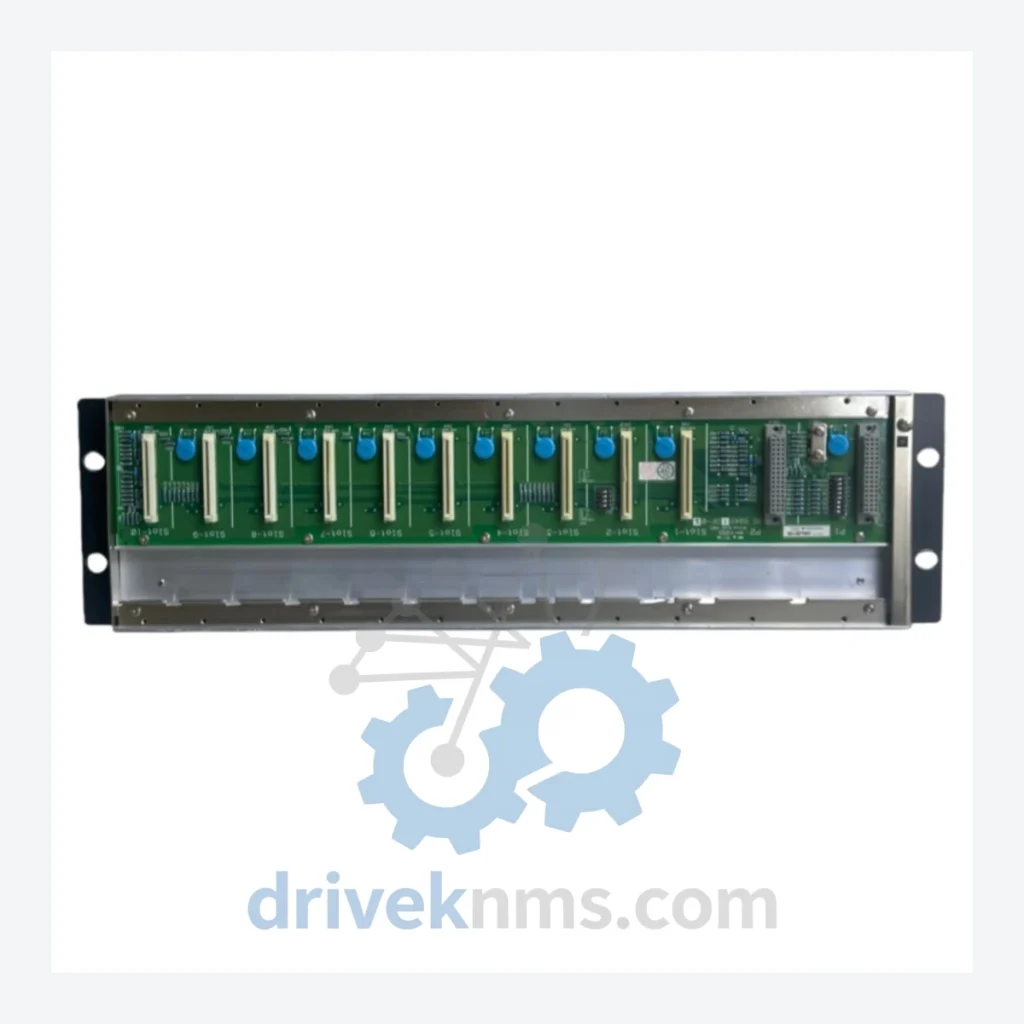
Product Overview
Commercial availability is handled through direct RFQ, model verification and export-oriented follow-up rather than public cart checkout.
Datasheet Preview
Use attached product manuals when available. If the manual is not public yet, request the full file directly through RFQ.
Commercial Path
Product pages on DRIVEKNMS are designed to verify model, brand and series first, then move the buyer into one clean quotation path.
Technical Dossier
RFQ support for obsolete parts: Send the model number, required quantity and destination so DriveKNMS can confirm sourcing options before quotation.
The Yokogawa CENTUM VP platform has been the backbone of process automation in refining, petrochemical, and power generation facilities across Asia, the Middle East, and Europe for over two decades. The NFBU200-S05 base module provides the physical mounting and bus interface for field bus unit cards within this architecture. Its role is structural: it is not a card that can be bypassed or emulated in software.
The standard industry response to this risk is a structured spare parts strategy. Plants that maintain a minimum of one cold-spare base module per field bus segment have historically avoided unplanned shutdowns caused by hardware obsolescence. The cost of one spare module is measured in thousands of dollars. The cost of an unplanned shutdown in a refinery or chemical plant is measured in hundreds of thousands per day.
Obsolete industrial modules carry age-related failure risks that differ from new production parts. Our 5-step QA process addresses the specific failure modes relevant to this module type:
Step 1 – Visual and Mechanical Inspection: Connector pins, backplane contacts, and PCB surfaces are examined under magnification for corrosion, mechanical damage, and contamination.
Step 2 – Electrolytic Capacitor Assessment: Electrolytic capacitors are the primary age-related failure point in modules of this era. Units showing capacitor bulging, leakage, or ESR deviation are rejected.
Step 3 – Firmware and Label Verification: The suffix revision (S2) is cross-referenced against known hardware revisions to confirm compatibility with target system configurations. Mismatched revisions are flagged and disclosed.
Step 4 – Pin and Contact Integrity Check: All backplane and field wiring connection points are tested for continuity and contact resistance. Oxidized contacts are treated or the unit is rejected.
Units that do not pass all five steps are not listed for sale.
The NFBU200-S05 is a drop-in replacement for failed units within the same CENTUM VP field bus segment. No re-engineering of the control strategy is required. No re-programming of the DCS database is necessary. The replacement procedure follows standard Yokogawa maintenance documentation and can be executed by a qualified instrument technician without specialist vendor support.
This characteristic — direct hardware substitution without software reconfiguration — is the defining advantage of sourcing a genuine OEM spare over pursuing a third-party workaround. It eliminates engineering labor costs, avoids the risk of introducing configuration errors during a crisis replacement, and keeps the plant's existing safety instrumented system certifications intact.
The decision to extend the operational life of a legacy DCS rather than migrate is a capital allocation decision, not a technical failure. For many facilities, the process economics do not justify a full DCS replacement within the current planning horizon. The correct response is a structured obsolescence management program.
A practical program for CENTUM VP installations includes three components. First, a hardware audit: identify every module type in the installed base that has been discontinued by Yokogawa, and quantify the failure risk based on module age and criticality. Second, a strategic spare parts inventory: procure a minimum of one cold spare for each high-criticality discontinued module. The NFBU200-S05, as a structural base module, qualifies as high-criticality in any installation where it is present. Third, a documented replacement procedure: ensure that maintenance personnel have access to the correct replacement procedure and that the spare is stored in conditions that prevent further degradation (controlled temperature, low humidity, anti-static packaging).
Q: Can this module be used in CENTUM CS 3000?
A: Compatibility with CENTUM CS 3000 depends on the specific hardware revision and system configuration. We recommend confirming compatibility with your system documentation or contacting us with your system details before ordering.
Continue The Model Path
Move from this exact model into the matching system hub, brand archive, model-family archive or lifecycle sourcing route before sending a final RFQ list.
Related Paths
Yokogawa SDV531-S63 is listed for CENTUM VP RFQ review. Confirm quantity, condition and destination before quotation.
Yokogawa SDV144-S63/PRP S4 is listed for CENTUM VP RFQ review. Confirm quantity, condition and destination before quotation.
Yokogawa AAI143-H53 S1 is listed for CENTUM VP RFQ review. Confirm quantity, condition and destination before quotation.