
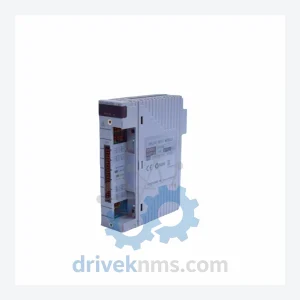
Yokogawa S9562FA Connector Unit – STARDOM Series
Yokogawa S9562FA is listed for STARDOM RFQ review. Confirm quantity, condition and destination before quotation.
RFQ-ready industrial model
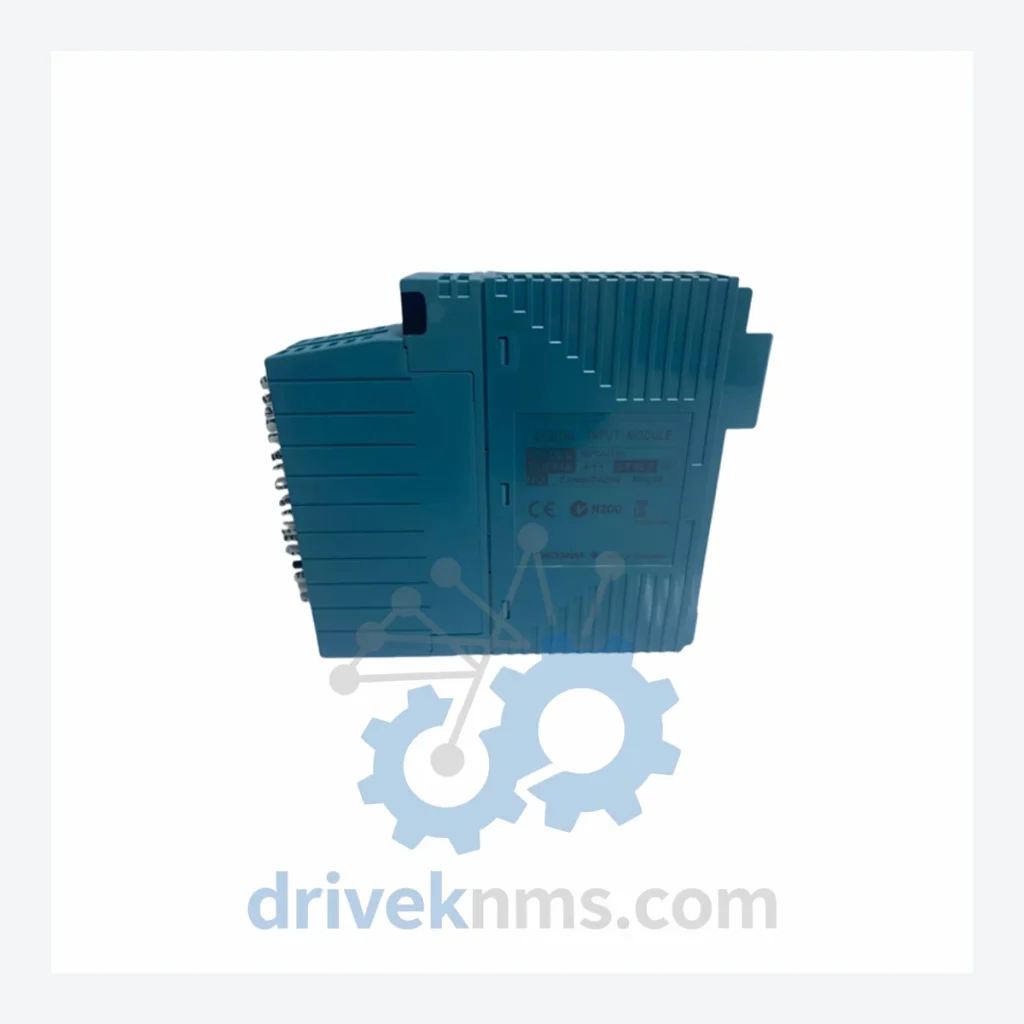
Model: NFDV551-P11 S2
Product Overview
Commercial availability is handled through direct RFQ, model verification and export-oriented follow-up rather than public cart checkout.
Datasheet Preview
Use attached product manuals when available. If the manual is not public yet, request the full file directly through RFQ.
Commercial Path
Product pages on DRIVEKNMS are designed to verify model, brand and series first, then move the buyer into one clean quotation path.
Technical Dossier
RFQ support for obsolete parts: Send the model number, required quantity and destination so DriveKNMS can confirm sourcing options before quotation.
| Parameter | Detail |
|---|---|
| Manufacturer | Yokogawa Electric Corporation |
| Part Number | NFDV551-P11 S2 |
| Module Type | Digital Output Module |
| Compatible Systems | Yokogawa CENTUM CS / CENTUM VP / STARDOM FCN/FCJ |
| Country of Origin | Japan |
| Product Status | Discontinued / Obsolete – No longer manufactured |
| Condition Available | New surplus / Professionally refurbished |
Note: Specific electrical parameters (voltage range, channel count, output current rating) are confirmed upon order inquiry to ensure accuracy. No parameters are published without verified documentation.
Yokogawa CENTUM and STARDOM control systems have been the backbone of process automation in petrochemical, power generation, pharmaceutical, and pulp-and-paper facilities for decades. Many of these installations remain fully functional and are not scheduled for replacement — yet the OEM has discontinued the hardware that keeps them running.
The NFDV551-P11 S2 digital output module sits at a critical junction in these architectures. It translates controller commands into field-level switching signals for actuators, solenoid valves, motor starters, and safety interlocks. There is no software patch that compensates for a failed output module. The only path to continued operation is a physical replacement with an identical or fully compatible unit.
For plant managers operating under capital expenditure constraints, the calculus is straightforward: a verified spare part at a fraction of a percent of system replacement cost preserves years of additional productive life from an asset that is already paid off and performing reliably. Facilities that have extended CENTUM CS installations 8–12 years beyond their original design life consistently cite proactive spare parts inventory as the single most important factor in that outcome.
The alternative — waiting until failure occurs before sourcing — places procurement teams in a position where they are negotiating from zero leverage, against a shrinking global pool of available units, under production-stoppage pressure. That is the scenario DriveKNMS exists to prevent.
For plant management teams facing system retirement pressure, the following strategy has been validated across multiple industries:
This approach consistently delivers 5–10 years of extended system life at a total cost that is 2–5% of what a full platform migration would require.
Every NFDV551-P11 S2 unit shipped by DriveKNMS passes a five-stage quality process before dispatch:
Should I buy more than one unit?
For any module that is no longer manufactured, purchasing a minimum of two units is the standard recommendation. The cost of a second unit is negligible relative to the cost of an unplanned production stoppage while sourcing a replacement under emergency conditions.
Can you source other discontinued Yokogawa modules?
Yes. DriveKNMS specializes in obsolete and hard-to-find industrial automation components across Yokogawa, Honeywell, ABB, Siemens, and other major DCS and PLC platforms. Submit your parts list for a sourcing assessment.
Continue The Model Path
Move from this exact model into the matching system hub, brand archive, model-family archive or lifecycle sourcing route before sending a final RFQ list.
Related Paths
Yokogawa S9562FA is listed for STARDOM RFQ review. Confirm quantity, condition and destination before quotation.
Yokogawa NFAI835-S51 S2 is listed for STARDOM RFQ review. Confirm quantity, condition and destination before quotation.
Yokogawa NFAI143-S01 S1 is listed for STARDOM RFQ review. Confirm quantity, condition and destination before quotation.