
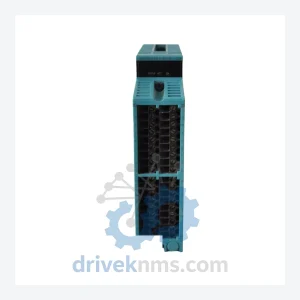
Yokogawa NFDV151-P10 Digital Input Module – Obsolete CENTUM CS 3000 Spare Part
Yokogawa NFDV151-P10 is listed for CENTUM CS RFQ review. Confirm quantity, condition and destination before quotation.
RFQ-ready industrial model
Model: NFDV561-P01
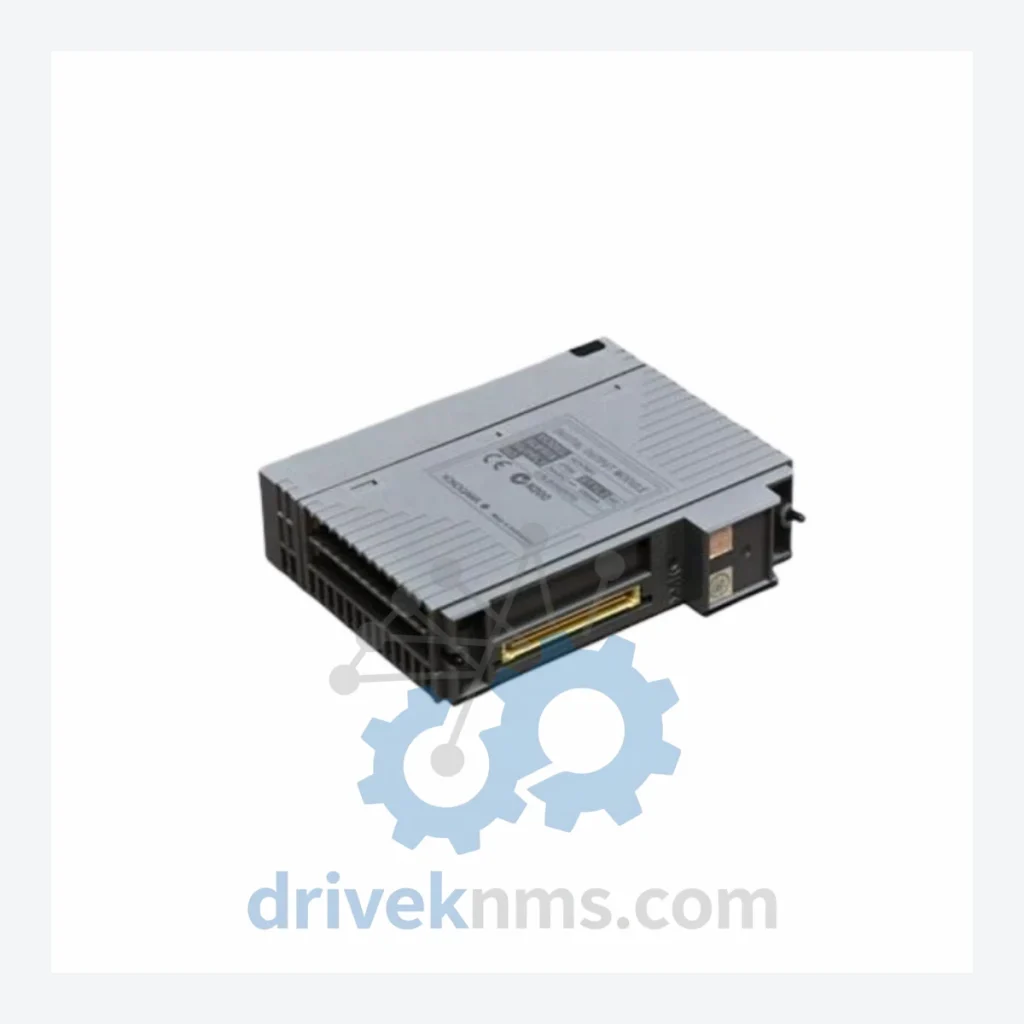
Product Overview
Commercial availability is handled through direct RFQ, model verification and export-oriented follow-up rather than public cart checkout.
Datasheet Preview
Use attached product manuals when available. If the manual is not public yet, request the full file directly through RFQ.
Commercial Path
Product pages on DRIVEKNMS are designed to verify model, brand and series first, then move the buyer into one clean quotation path.
Technical Dossier
RFQ support for obsolete parts: Send the model number, required quantity and destination so DriveKNMS can confirm sourcing options before quotation.
| Parameter | Detail |
|---|---|
| Part Number | NFDV561-P01 |
| Manufacturer | Yokogawa Electric Corporation |
| Module Type | Digital Output (DO) Module |
| Compatible System | Yokogawa CENTUM CS 3000, CENTUM VP (legacy I/O bus) |
| Country of Origin | Japan |
| Product Status | Discontinued / Obsolete – No longer manufactured by Yokogawa |
| Typical Application | Field device control: solenoid valves, motor starters, on/off actuators in process industries |
Note: Electrical parameters such as output channel count, load current rating, and isolation voltage are confirmed only against verified documentation. Unverified figures are intentionally omitted to protect equipment safety.
Yokogawa's CENTUM CS 3000 platform was the backbone of process automation across refining, petrochemical, power generation, and pharmaceutical facilities throughout the 1990s and 2000s. Many of these installations remain in full production service today — not because operators are unaware of the platform's age, but because the cost and operational disruption of a full DCS replacement is prohibitive.
The NFDV561-P01 is a field-proven I/O module that communicates directly with the CENTUM CS 3000 field control station (FCS). There is no software-configurable substitute available from current Yokogawa product lines that drops into the same slot without hardware and firmware changes at the FCS level. This is the core of the obsolescence problem: the module is not simply old — it is architecturally irreplaceable within its native system.
The operational calculus is straightforward: maintaining a verified spare of the NFDV561-P01 is one of the lowest-cost risk mitigation measures available to a plant running CENTUM CS 3000 infrastructure.
For plant managers facing pressure to justify continued operation of legacy DCS platforms, the following maintenance strategy has been applied successfully across multiple process industries to defer capital expenditure while maintaining system reliability:
4. Document firmware versions before any module swap. CENTUM CS 3000 FCS configurations are sensitive to firmware mismatches. Before installing any replacement NFDV561-P01, verify that the firmware version of the replacement unit is compatible with the installed FCS software revision. This step is frequently overlooked and is a primary cause of post-replacement commissioning failures.
5. Negotiate long-term supply agreements with specialist distributors. Spot-buying obsolete parts at the point of failure is the most expensive procurement strategy available. Facilities that establish forward purchase agreements for critical legacy modules — locking in price and availability — consistently achieve lower total maintenance costs than those that rely on reactive procurement.
These five measures, applied consistently, have allowed facilities to operate CENTUM CS 3000 and comparable legacy DCS platforms reliably for 5–10 years beyond the point at which reactive management would have forced a capital replacement decision.
Every NFDV561-P01 unit offered by DriveKNMS passes a structured 5-step inspection protocol before it is made available for sale. This process is designed specifically for obsolete industrial modules, where age-related degradation — not mechanical damage — is the primary failure mode.
Step 1 – Electrolytic Capacitor Assessment. Electrolytic capacitors are the component most likely to degrade in modules that have been in storage or service for extended periods. Each unit is inspected for capacitor bulging, electrolyte leakage, and ESR (equivalent series resistance) deviation from specification.
Step 2 – Firmware Version Verification. The installed firmware version is read and recorded. This information is provided to the buyer prior to shipment to allow compatibility verification against the target FCS configuration.
Step 3 – Pin and Connector Inspection. All connector pins and backplane contacts are inspected under magnification for oxidation, corrosion, and mechanical deformation. Affected contacts are cleaned using approved non-abrasive methods. Units with structural pin damage are rejected.
Step 4 – Board-Level Visual Inspection. The PCB is inspected for solder joint cracking, trace corrosion, and component displacement — failure modes associated with thermal cycling in long-term service.
Units that do not pass all five steps are not offered for sale. Condition grade (New, Refurbished-Grade A, or Tested-Used) is clearly stated in the product listing and on the shipping documentation.
Drop-in replacement compatibility. The NFDV561-P01 installs directly into the existing CENTUM CS 3000 I/O slot without modification to the field wiring, FCS configuration, or HMI engineering. There is no requirement for re-programming or re-commissioning of the associated control loops, provided the replacement unit carries a compatible firmware version.
No engineering rework required. Unlike a platform migration, installing a like-for-like spare module does not trigger a management of change (MOC) process in most facilities. This eliminates the engineering hours, documentation burden, and regulatory review that accompany any change to the control system architecture.
Q: Should I buy more than one unit?
A: For facilities with multiple NFDV561-P01 units installed, purchasing a minimum of two spares is the standard recommendation. The global supply of this module is finite and declining. Units purchased today are available at current market prices; the same units sourced under emergency conditions in 12–24 months will carry a significant premium — if they can be located at all.
Q: Can you source other obsolete Yokogawa CENTUM CS 3000 modules?
A: Yes. DriveKNMS specializes in hard-to-find legacy automation components. Contact us with your full bill of materials for a consolidated sourcing assessment.
Continue The Model Path
Move from this exact model into the matching system hub, brand archive, model-family archive or lifecycle sourcing route before sending a final RFQ list.
Related Paths
Yokogawa NFDV151-P10 is listed for CENTUM CS RFQ review. Confirm quantity, condition and destination before quotation.
Yokogawa CP471-00 S1 is listed for CENTUM CS RFQ review. Confirm quantity, condition and destination before quotation.
Yokogawa ADV551-P60 S2 is listed for CENTUM CS RFQ review. Confirm quantity, condition and destination before quotation.