
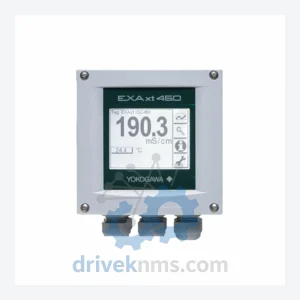
Yokogawa SC450G-A-A
Yokogawa SC450G-A-A is listed for Monitoring Systems RFQ review. Confirm quantity, condition and destination before quotation.
RFQ-ready industrial model
Model: NFLP121-S00
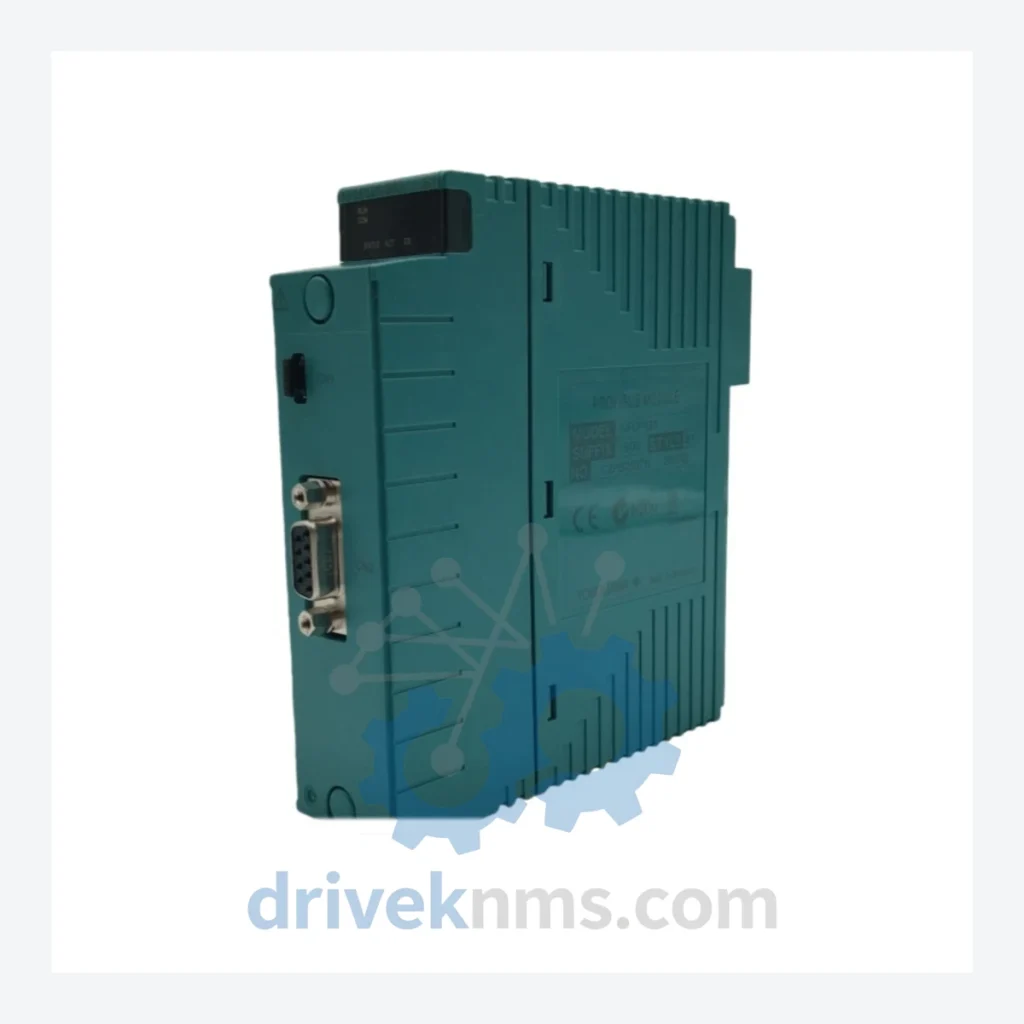
Product Overview
Commercial availability is handled through direct RFQ, model verification and export-oriented follow-up rather than public cart checkout.
Datasheet Preview
Use attached product manuals when available. If the manual is not public yet, request the full file directly through RFQ.
Commercial Path
Product pages on DRIVEKNMS are designed to verify model, brand and series first, then move the buyer into one clean quotation path.
Technical Dossier
The NFLP series was introduced as part of Yokogawa's transition from proprietary bus architectures toward standardized field network protocols. Early CENTUM XL and CENTUM CS platforms relied on Yokogawa's internal V-net and ER bus topologies. With the introduction of CENTUM CS 3000 and subsequently CENTUM VP, the NFLP module family was developed to support Foundation Fieldbus H1, PROFIBUS DP, and Vnet/IP communication — enabling integration with third-party field devices while maintaining compatibility with legacy Yokogawa I/O subsystems.
Architectural evolution across generations introduced improvements in transmission speed (from 31.25 kbps H1 to 100 Mbps Vnet/IP), redundancy support (dual-redundant module configurations), and hot-swap capability for live maintenance without process interruption. Compatibility constraints exist between NFLP generations: modules designed for CENTUM CS 3000 R3 are not directly interchangeable with CENTUM VP R6 slots without firmware and bus coupler verification. Plants operating mixed-generation CENTUM environments must validate module revision levels before substitution.
The following SKUs represent verified, commonly sourced models within the Yokogawa NFLP series. Classified by functional category:
Communication & Field Network Interface Modules
The NFLP series spans multiple product lifecycle stages. Modules designed for CENTUM CS 3000 (pre-2010 installations) are classified as end-of-life by Yokogawa, with official spare parts support discontinued. However, the installed base of these systems remains substantial, and plant operators face a binary choice: full DCS migration (capital-intensive, multi-year) or lifecycle extension through third-party spare parts sourcing.
NFLP modules incorporate complex backplane bus interfaces and multi-protocol communication stacks that require protocol-level functional testing beyond standard power-on verification. DriveKNMS applies the following test procedures to all NFLP units prior to dispatch:
Continue The Model Path
Move from this exact model into the matching system hub, brand archive, model-family archive or lifecycle sourcing route before sending a final RFQ list.
Related Paths
Yokogawa SC450G-A-A is listed for Monitoring Systems RFQ review. Confirm quantity, condition and destination before quotation.
Yokogawa SC4AJ-S-AD-09 is listed for SC4AJ Series Conductivity RFQ review. Confirm quantity, condition and destination before quotation.
Yokogawa SDV541-S23 S3 is listed for SDV500 Series Output RFQ review. Confirm quantity, condition and destination before quotation.