
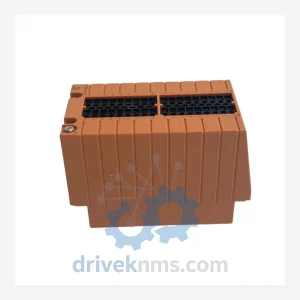
Yokogawa STB4D-10 S2 Digital I/O Terminal Block – Obsolete ProSafe-RS Spare Part
Yokogawa STB4D-10 S2 is listed for ProSafe-RS RFQ review. Confirm quantity, condition and destination before quotation.
RFQ-ready industrial model
Model: SNB10D-425/CU2N
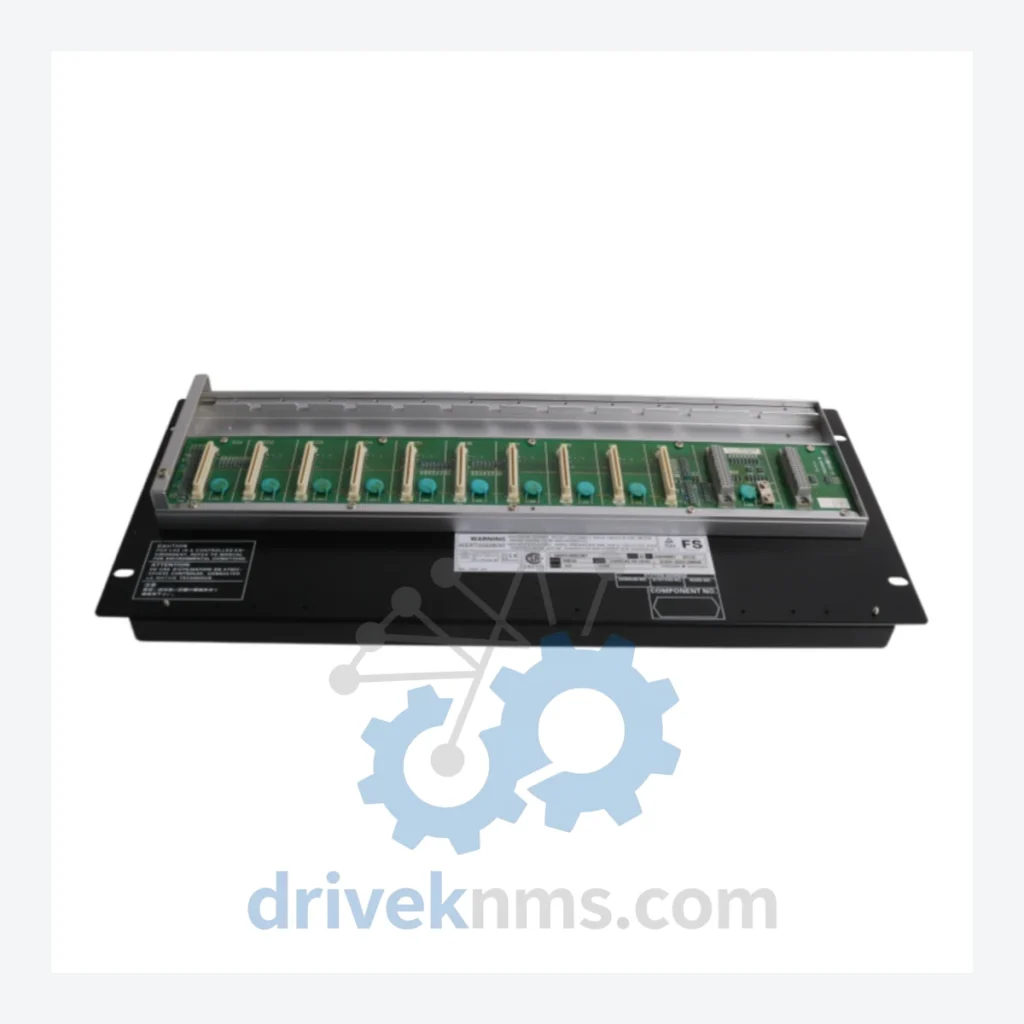
Product Overview
Commercial availability is handled through direct RFQ, model verification and export-oriented follow-up rather than public cart checkout.
Datasheet Preview
Use attached product manuals when available. If the manual is not public yet, request the full file directly through RFQ.
Commercial Path
Product pages on DRIVEKNMS are designed to verify model, brand and series first, then move the buyer into one clean quotation path.
Technical Dossier
Yokogawa introduced the ProSafe-RS platform in 2003 as a purpose-built SIS, replacing the relay-based and early programmable safety systems that preceded it. The initial release established the core architectural principle: a physically isolated safety execution environment with a dedicated safety CPU (SCP) communicating over a redundant Vnet/IP safety bus, separate from the process control network.
Generation 1 (R1.xx – R2.xx, 2003–2008): The foundational hardware set introduced the SNB10D safety node unit as the primary I/O chassis, the SCP401 as the single-CPU safety controller, and a range of SIO (Safety I/O) modules covering discrete and analog signal types. Communication with CENTUM CS 3000 was achieved via the SER (Safety Engineering and Runtime) interface. Hardware in this generation is now classified as mature/end-of-life by Yokogawa; original manufacturer support for repair and replacement has been discontinued for most components.
Generation 2 (R3.xx – R4.xx, 2009–2015): This revision introduced the SCP451 dual-CPU redundant safety controller, significantly improving fault tolerance and diagnostic coverage. The SBU (Safety Bus Unit) was introduced to extend the safety bus across larger plant topologies. I/O module density increased, and the platform gained formal TÜV certification for SIL 3 in both hardware fault tolerance configurations. Integration with CENTUM VP became the standard deployment pattern.
Generation 3 (R4.05 onward, 2016–present): Current production hardware. Enhancements include expanded cybersecurity hardening, improved diagnostic self-test intervals, and compatibility with Yokogawa's OpreX Safety architecture. The SCP401 has been superseded by the SCP451 in new installations, though SCP401 remains in service across a large installed base. Backward compatibility between generations is limited: Generation 1 I/O modules are not electrically or firmware-compatible with Generation 3 CPUs without engineering review. This compatibility constraint is the primary driver of demand for original-generation spare parts.
The following catalog covers the primary module types across the ProSafe-RS platform. Modules are grouped by functional category. All SKUs listed are verified part numbers from Yokogawa's published documentation and field-confirmed procurement records.
Safety Node Units (Chassis)
Safety CPU Controllers (SCP)
Safety Digital Input Modules (SDI)
Safety Digital Output Modules (SDO)
Safety Analog Input Modules (SAI)
Safety Analog Output Modules (SAO)
Safety Bus Units & Communication
Yokogawa has formally discontinued active production and repair support for Generation 1 ProSafe-RS hardware (SCP401 series, early SNB10D variants, SDV144-S00, SAI143-S00 in original revision). For plant operators maintaining these systems, the secondary market is the primary sourcing channel for like-for-like replacement modules.
Modules covered under DriveKNMS lifecycle support include but are not limited to: SCP401-10, SCP401-20, SNB10D-425/CU2N, SNB10D-425/CU2, SDV144-S00, SDV244-S00, SAI143-S00, SAO143-S00, and SBU100-10.
ProSafe-RS modules present specific quality verification challenges due to their safety-rated backplane communication architecture and dual-bus topology. Standard functional testing procedures applied to conventional PLC I/O modules are insufficient for safety-rated hardware.
DriveKNMS applies the following test protocol to all ProSafe-RS modules prior to dispatch:
All test results are documented in a module-specific test certificate provided with each shipment. Modules that fail any test step are quarantined and not offered for sale.
Continue The Model Path
Move from this exact model into the matching system hub, brand archive, model-family archive or lifecycle sourcing route before sending a final RFQ list.
Related Paths
Yokogawa STB4D-10 S2 is listed for ProSafe-RS RFQ review. Confirm quantity, condition and destination before quotation.
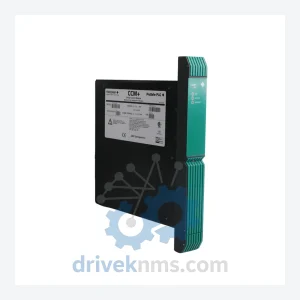
Yokogawa PSCCM24AAN is listed for ProSafe-RS RFQ review. Confirm quantity, condition and destination before quotation.
Yokogawa 16418-541/1 PSCCM24AAN is listed for ProSafe-RS RFQ review. Confirm quantity, condition and destination before quotation.