
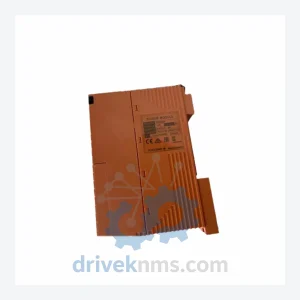
YOKOGAWA SPW484 Power Supply Modules SPW484-53
Yokogawa Spw484-53 is listed for Power Supplies RFQ review. Confirm quantity, condition and destination before quotation.
RFQ-ready industrial model
Model: PW482-10 S2
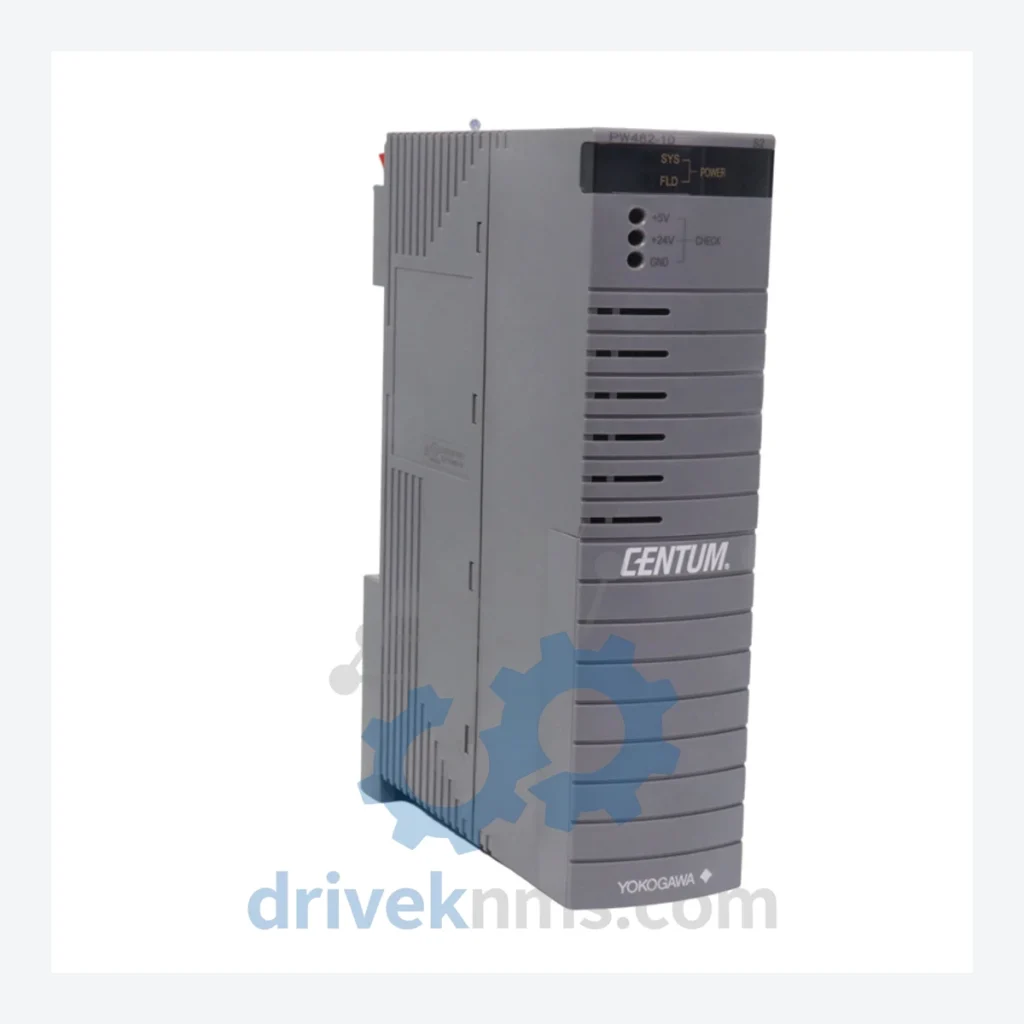
Product Overview
Commercial availability is handled through direct RFQ, model verification and export-oriented follow-up rather than public cart checkout.
Datasheet Preview
Use attached product manuals when available. If the manual is not public yet, request the full file directly through RFQ.
Commercial Path
Product pages on DRIVEKNMS are designed to verify model, brand and series first, then move the buyer into one clean quotation path.
Technical Dossier
The Yokogawa PW4xx power supply series forms the backbone of field power distribution within the CENTUM CS 3000 and CENTUM VP distributed control systems — platforms that remain in active operation across refineries, petrochemical complexes, LNG terminals, and nuclear auxiliary systems worldwide. These modules deliver regulated DC power to I/O field cards, communication buses, and node units within the Field Control Station (FCS) architecture. Their role is not peripheral: a failed power module triggers a cascading loss of I/O node availability, directly threatening process continuity. Installed base figures for CENTUM CS 3000 alone exceed tens of thousands of FCS units globally, the majority of which continue to operate on original PW4xx hardware.
Yokogawa introduced the PW4xx power supply family alongside the CENTUM CS 3000 platform in the late 1990s. The initial release addressed the need for modular, hot-swappable field power within the FCS node unit — a departure from the centralized power architecture of the earlier CENTUM XL and CENTUM-V generations.
The following models represent the verified PW4xx series range as deployed across CENTUM CS 3000 and CENTUM VP installations. Each entry reflects confirmed hardware function based on Yokogawa FCS node unit architecture documentation.
The practical challenge with PW4xx procurement is not simply availability — it is verified compatibility. The S1 and S2 hardware revisions are not always interchangeable depending on FCS firmware version and node unit backplane revision. DriveKNMS technical staff cross-reference customer FCS configuration data against known hardware compatibility matrices before confirming shipment.
The cost calculus is direct: a single unplanned FCS shutdown in a refinery or chemical plant environment carries a production loss exposure measured in hundreds of thousands of dollars per day. A pre-positioned spare power module at a fraction of that cost is not a discretionary purchase — it is a risk transfer instrument.
Power supply modules present specific failure modes that require targeted inspection beyond standard visual assessment. DriveKNMS applies the following verification steps to all PW4xx units processed through its facility:
1. Electrolytic Capacitor Assessment: All bulk and filter capacitors are measured for ESR (Equivalent Series Resistance) and capacitance retention. Units with capacitors showing >20% capacitance loss or elevated ESR are flagged for recapping before dispatch.
2. Output Voltage Calibration: Each module is bench-tested under load conditions representative of a populated CS 3000 node unit. Output voltage stability, ripple, and transient response are recorded against Yokogawa factory specification tolerances.
3. Backplane Connector Inspection: The PW4xx backplane connector is a known wear point in hot-swap environments. Pin condition, contact plating integrity, and mechanical retention force are verified on every unit.
4. Thermal Cycling Verification: Units are subjected to a controlled thermal cycle to identify cold-solder joints and component delamination not visible under static inspection.
5. Firmware and Hardware Revision Logging: The hardware revision marking (S1 / S2) is confirmed and documented. Units are labeled with their verified revision status to prevent compatibility mismatches at the customer site.
Continue The Model Path
Move from this exact model into the matching system hub, brand archive, model-family archive or lifecycle sourcing route before sending a final RFQ list.
Related Paths
Yokogawa Spw484-53 is listed for Power Supplies RFQ review. Confirm quantity, condition and destination before quotation.
Yokogawa spw482-50 is listed for Power Supplies RFQ review. Confirm quantity, condition and destination before quotation.
Yokogawa NFPW442-10 is listed for Power Supplies RFQ review. Confirm quantity, condition and destination before quotation.