
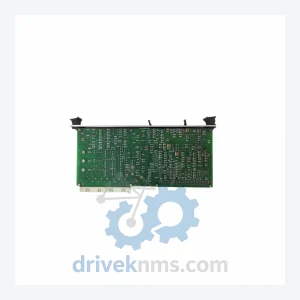
Yokogawa K9634DA-01 TCD Card Modules
Yokogawa K9634DA-01 is listed for Servo Drives RFQ review. Confirm quantity, condition and destination before quotation.
RFQ-ready industrial model
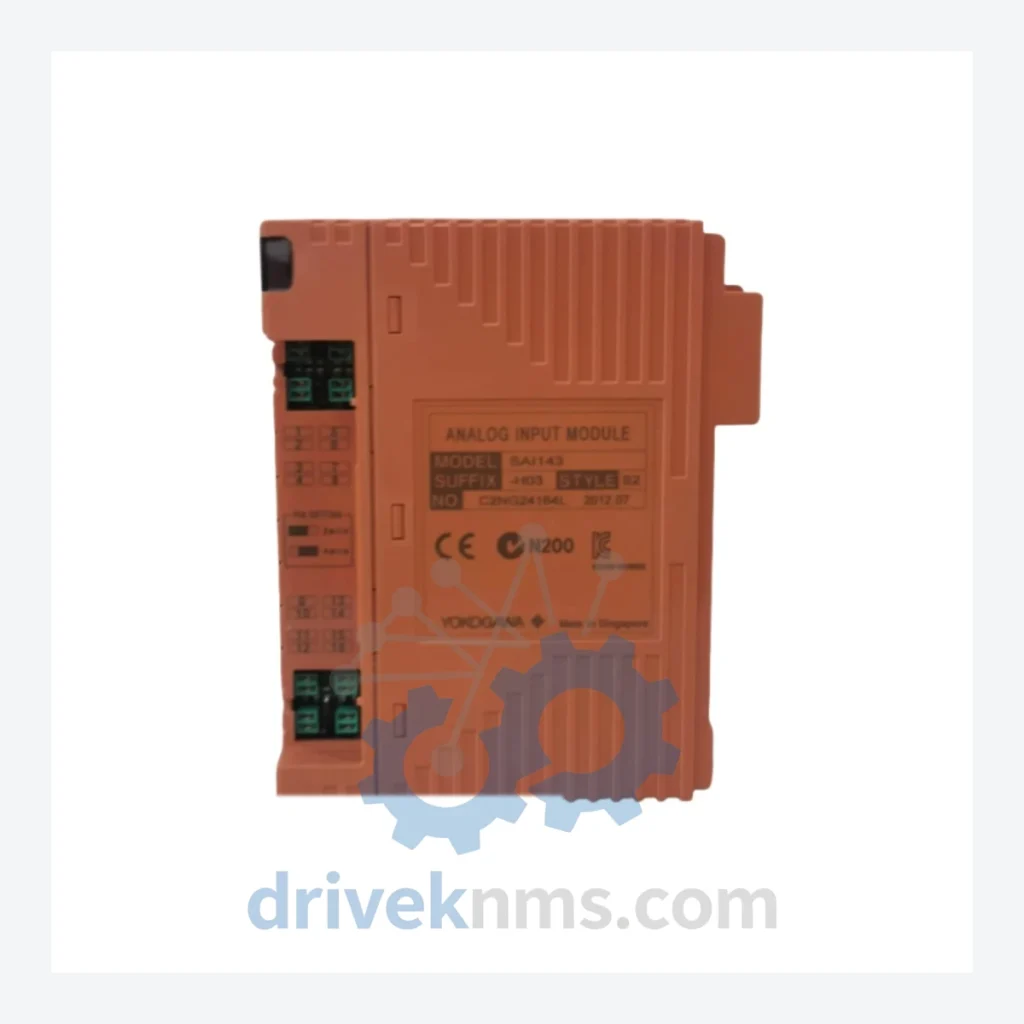
Model: SAI143-H03
Product Overview
Commercial availability is handled through direct RFQ, model verification and export-oriented follow-up rather than public cart checkout.
Datasheet Preview
Use attached product manuals when available. If the manual is not public yet, request the full file directly through RFQ.
Commercial Path
Product pages on DRIVEKNMS are designed to verify model, brand and series first, then move the buyer into one clean quotation path.
Technical Dossier
When a Yokogawa SAI143-H03 analog input module fails in a live CENTUM DCS environment, the consequences extend far beyond a single card replacement. This 16-channel analog input module is a load-bearing component in distributed control architectures that have been in continuous operation for 15 to 25 years. Its failure does not trigger a simple swap — it triggers a procurement crisis. Yokogawa has discontinued this module as part of the broader CENTUM CS/CS3000 hardware lifecycle. Sourcing a verified replacement through standard channels is no longer possible.
RFQ support for obsolete parts: Send the model number, required quantity and destination so DriveKNMS can confirm sourcing options before quotation.
| Parameter | Detail |
|---|---|
| Manufacturer | Yokogawa Electric Corporation |
| Part Number | SAI143-H03 |
| Module Type | 16-Channel Analog Input Module |
| Compatible System | Yokogawa CENTUM CS / CENTUM CS3000 DCS |
| Country of Origin | Japan |
| Product Status | Discontinued / Obsolete – No longer manufactured |
| Signal Type | Analog Input (4–20 mA / voltage signal, configuration-dependent) |
| Channel Count | 16 channels |
| Form Factor | Rack-mount I/O module (CENTUM bus-compatible) |
Note: Electrical parameters beyond those listed above are not independently verified by DriveKNMS. We do not publish unconfirmed specifications. Buyers requiring full parameter sheets should request documentation at time of inquiry.
The Yokogawa CENTUM CS and CS3000 platforms were deployed extensively across refining, petrochemical, power generation, and pharmaceutical facilities from the mid-1990s through the 2010s. The SAI143-H03 sits at the field interface layer — it is the module that converts physical process signals into data the controller can act on. There is no generic substitute. The module communicates over the CENTUM internal bus using proprietary protocols; third-party I/O cards cannot be inserted without a full engineering redesign of the affected control loop.
DriveKNMS specializes in the secondary market procurement of exactly this category of hardware. Our inventory of the SAI143-H03 is sourced from decommissioned facilities, verified against known-good reference units, and held in controlled storage conditions to prevent further degradation. For plant managers operating under capital expenditure constraints, this represents a defensible asset protection strategy — not a workaround.
Facilities that successfully defer CENTUM system migrations by a decade or more share a common operational discipline: they treat critical I/O modules as capital assets requiring a defined spare parts coverage ratio, not as consumables to be sourced reactively. The following framework applies directly to the SAI143-H03 and comparable CENTUM I/O hardware:
1. Failure Mode Mapping: Analog input modules in continuous service degrade through predictable failure modes — electrolytic capacitor aging (typically 10–15 year service life under rated conditions), connector pin oxidation in humid environments, and firmware incompatibility following controller firmware updates. Mapping these failure modes to your installed base allows maintenance teams to prioritize which modules require immediate spare coverage.
2. Coverage Ratio Targeting: A minimum of one spare per five installed units is a widely applied benchmark for critical I/O in legacy DCS environments. For single-point-of-failure positions — modules with no redundant counterpart — one-for-one coverage is the defensible standard.
3. Controlled Storage: Obsolete modules in storage degrade if not properly maintained. Anti-static packaging, temperature-controlled environments (15–25°C), and annual inspection cycles are the baseline requirements. Modules stored without these controls for more than three years should be functionally tested before deployment.
4. Firmware Version Locking: Before deploying a replacement SAI143-H03, verify that the firmware version on the spare matches the version running on the installed fleet. Yokogawa CENTUM systems can exhibit compatibility issues when I/O module firmware versions diverge from the controller's expected range. This is a non-obvious failure mode that causes significant diagnostic delay in the field.
5. Lifecycle Budget Allocation: The cost of maintaining a spare parts buffer for a CENTUM I/O fleet over a 10-year horizon is typically 3–8% of the cost of a full system migration. For plant management presenting capital deferral cases to finance, this ratio is the core argument. A single avoided emergency migration pays for years of spare parts inventory.
DriveKNMS applies a five-stage quality process to all obsolete I/O modules prior to shipment. This process is designed specifically for the failure modes common to legacy DCS hardware that has been in storage or decommissioned service.
Stage 1 – Visual and Physical Inspection: Full inspection of the PCB surface, connector pins, and housing for corrosion, mechanical damage, and evidence of prior repair. Modules with evidence of field repair are segregated and disclosed.
Stage 2 – Electrolytic Capacitor Assessment: Capacitor aging is the primary failure mode for analog I/O modules of this generation. We inspect for visible bulging, electrolyte leakage, and elevated ESR where test equipment permits. Modules with suspect capacitors are not shipped as primary units.
Stage 3 – Firmware Version Verification: Where accessible, firmware version is read and recorded. This information is provided to the buyer to support compatibility verification against their installed controller version.
Stage 4 – Connector and Pin Integrity Check: All edge connectors and field wiring terminals are inspected for oxidation, bent pins, and contact resistance anomalies. Connectors are cleaned prior to shipment.
Stage 5 – Functional Burn-in (where test bench available): Modules are powered and exercised on a compatible test bench where DriveKNMS test infrastructure supports the CENTUM bus interface. Pass/fail results are documented and accompany the shipment.
Drop-in Replacement: The SAI143-H03 installs directly into the existing CENTUM I/O rack slot. No rack modification, no rewiring of field cables, and no changes to the controller database are required for a like-for-like replacement. Maintenance teams familiar with CENTUM hardware can complete the swap during a planned shutdown window without specialist contractor involvement.
No Reprogramming Required: The module's channel configuration is held in the CENTUM controller database, not in the module itself. A replacement module reads its configuration from the controller on initialization. This eliminates the re-engineering cost that would accompany a migration to a different I/O platform.
Avoids Engineering Redesign Costs: Substituting a non-Yokogawa analog input module into a CENTUM rack requires engineering work at the controller level, loop documentation updates, safety review, and re-commissioning. For a 16-channel module, this engineering effort alone can cost more than the module procurement. A verified SAI143-H03 replacement eliminates this cost entirely.
Q: Should I buy more than one unit as a long-term reserve?
For any facility with more than three SAI143-H03 units installed, holding at least two spares is the operationally sound position. Given that this module is no longer manufactured and secondary market availability is finite, the risk of a future procurement failure increases over time. Bulk inquiry pricing is available — contact us directly.
Continue The Model Path
Move from this exact model into the matching system hub, brand archive, model-family archive or lifecycle sourcing route before sending a final RFQ list.
Related Paths
Yokogawa K9634DA-01 is listed for Servo Drives RFQ review. Confirm quantity, condition and destination before quotation.
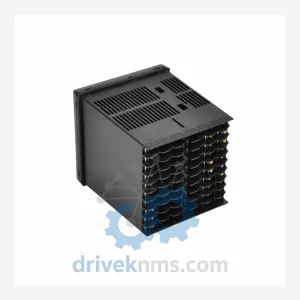
Yokogawa UT350 UT350-01 is listed for Servo Drives RFQ review. Confirm quantity, condition and destination before quotation.
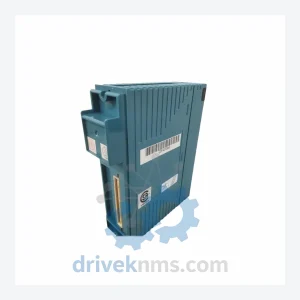
Yokogawa NFDR541-P00 S2 is listed for Servo Drives RFQ review. Confirm quantity, condition and destination before quotation.