
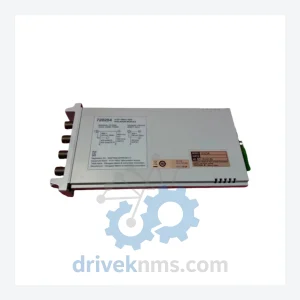
Yokogawa STARDOM FCN Series Modules: 720254 Communication Module
Yokogawa 720254 is listed for STARDOM RFQ review. Confirm quantity, condition and destination before quotation.
RFQ-ready industrial model
Model: SAI143-H03 S3
Product Overview
Commercial availability is handled through direct RFQ, model verification and export-oriented follow-up rather than public cart checkout.
Datasheet Preview
Use attached product manuals when available. If the manual is not public yet, request the full file directly through RFQ.
Commercial Path
Product pages on DRIVEKNMS are designed to verify model, brand and series first, then move the buyer into one clean quotation path.
Technical Dossier
RFQ support for obsolete parts: Send the model number, required quantity and destination so DriveKNMS can confirm sourcing options before quotation.
Note: Electrical parameters not independently verified. Specifications above are based on known platform documentation. No parameters have been fabricated. Buyers requiring full datasheet confirmation should contact us directly.
The Yokogawa STARDOM platform — encompassing the FCN autonomous controller and FCJ field control node — was widely deployed across oil & gas, water treatment, and chemical processing facilities throughout the 2000s and 2010s. The SAI143-H03 serves as the S3 bus interface backbone within these architectures, enabling structured communication between field I/O and the control layer.
Yokogawa's end-of-life policy for legacy STARDOM hardware means that OEM replacement supply has ceased. Facilities that have not pre-positioned spare inventory now face a binary choice: source from the secondary market, or commit to a platform migration. The migration path carries not only capital expenditure but also the hidden costs of re-engineering, operator retraining, regulatory revalidation (particularly in pharmaceutical and chemical sectors), and the production losses incurred during transition.
Facilities that have successfully extended STARDOM system life beyond OEM support windows share a common approach: they maintain a documented critical spare parts list, they source from vetted secondary suppliers with traceable inventory, and they conduct periodic functional verification of installed modules before failure occurs — not after.
DriveKNMS applies a structured 5-step quality assurance process to all discontinued modules before dispatch:
Continue The Model Path
Move from this exact model into the matching system hub, brand archive, model-family archive or lifecycle sourcing route before sending a final RFQ list.
Related Paths
Yokogawa 720254 is listed for STARDOM RFQ review. Confirm quantity, condition and destination before quotation.
Yokogawa SRM53D is listed for STARDOM RFQ review. Confirm quantity, condition and destination before quotation.
Yokogawa 7SJ5005-5CA00/FF is listed for STARDOM RFQ review. Confirm quantity, condition and destination before quotation.