Products / Yokogawa / CENTUM
Yokogawa CENTUM

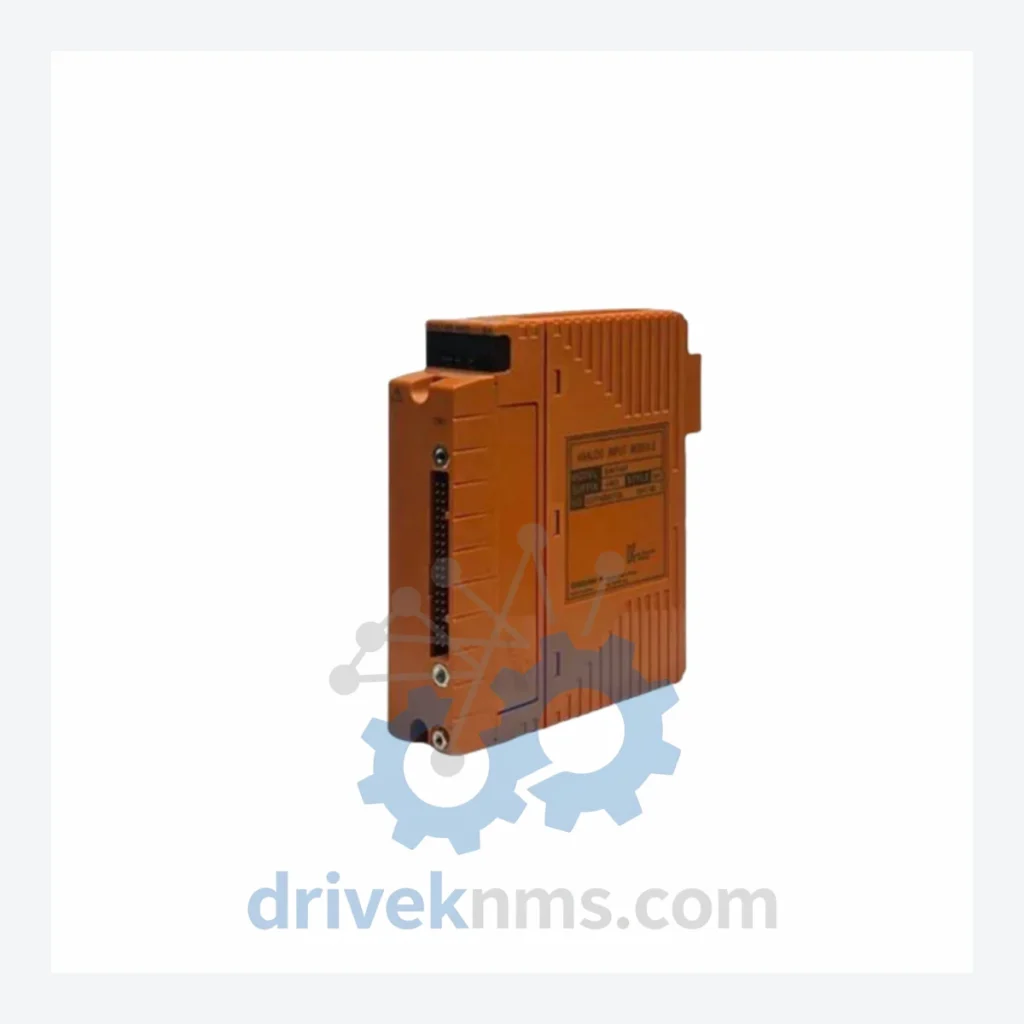
Yokogawa SAI143-H63/PRP S4 Analog Input Module – Obsolete CENTUM Spare Part

Model: SAI143-H63/PRP S4

Brand Yokogawa
Series CENTUM
Model SAI143-H63/PRP S4
RFQ-ready model route Obsolete and surplus sourcing Export follow-up by model list

Product Overview

Commercial availability is handled through direct RFQ, model verification and export-oriented follow-up rather than public cart checkout.

Datasheet Preview

Datasheet Preview

Use attached product manuals when available. If the manual is not public yet, request the full file directly through RFQ.

Request Full Manual

Commercial Path

Use This Page To Confirm The Model, Then Move To RFQ

Product pages on DRIVEKNMS are designed to verify model, brand and series first, then move the buyer into one clean quotation path.

Technical Dossier

Product Details And Specifications

Yokogawa SAI143-H63/PRP S4 Analog Input Module – Obsolete CENTUM Spare Part

When a Yokogawa SAI143-H63/PRP S4 analog input module fails in a running CENTUM CS or CENTUM VP distributed control system, the consequences extend far beyond a single I/O card. A full DCS platform migration — including engineering, re-commissioning, operator retraining, and production downtime — routinely costs between USD $2 million and $8 million per process unit. Against that backdrop, securing a verified spare of this discontinued module is not a procurement decision; it is an asset protection decision. DriveKNMS maintains limited physical stock of the SAI143-H63/PRP S4 sourced through controlled industrial channels, providing plant engineers and maintenance managers a direct path to system continuity without forced capital expenditure.

Technical Specifications

Parameter Detail
Manufacturer Yokogawa Electric Corporation
Part Number SAI143-H63/PRP S4
Module Type Analog Input Module
Compatible Platform Yokogawa CENTUM CS / CENTUM VP DCS
Country of Origin Japan
Discontinuation Status Discontinued / Obsolete – No longer manufactured by Yokogawa
Condition Available New surplus / Professionally refurbished (see QA section)

Note: Electrical parameters such as channel count, input range, and resolution are model-specific. We do not publish unverified specifications. Contact us for the datasheet applicable to your serial revision.

Solving the Discontinued Hardware Crisis

The Yokogawa CENTUM CS and CENTUM VP platforms have been the backbone of process control in refining, petrochemical, power generation, and pharmaceutical facilities for over two decades. The SAI143-H63/PRP S4 analog input module occupies a critical position within these architectures — it is the interface between field instrumentation (pressure transmitters, flow meters, temperature sensors) and the DCS controller. There is no software patch that replaces a failed I/O card.

Yokogawa's official end-of-life policy for legacy CENTUM hardware means that replacement modules are no longer available through standard distribution channels. Plants operating on 15- to 25-year-old DCS infrastructure face a hard choice: source obsolete spares through specialist channels, or commit to a full system migration that disrupts production for months. For facilities running continuous processes — where a single unplanned shutdown can cost $500,000 or more per day — the calculus is straightforward.

How to extend your CENTUM system life by 5–10 years without a full migration:

  • Build a verified spare pool. Identify every module type in your CENTUM cabinet that is discontinued. Maintain a minimum of one cold spare per critical I/O type. The cost of three spare modules is a fraction of one day of unplanned downtime.
  • Implement a scheduled swap-and-test cycle. Rotate modules on a 3–5 year cycle. Pull a module from service, bench-test it, and replace it with a verified spare. This surfaces latent failures before they become production incidents.
  • Freeze firmware versions. Do not apply firmware updates to legacy CENTUM nodes unless a specific fault requires it. Untested firmware on end-of-life hardware introduces compatibility risk with no vendor support backstop.
  • Document every serial number and revision. CENTUM hardware revisions (S1, S2, S3, S4) are not always interchangeable. Maintain a hardware register that maps cabinet slot to module part number, serial number, and revision. This eliminates guesswork during emergency replacements.
  • Engage a specialist supplier early. Global stock of discontinued Yokogawa modules depletes over time and does not replenish. Procurement lead times for obsolete parts can reach 6–18 months. Establishing a supplier relationship before a failure event is the only reliable risk mitigation.

Condition & Reliability Assurance

Sourcing a discontinued module from the open market carries inherent risk. DriveKNMS applies a structured 5-step qualification process to every SAI143-H63/PRP S4 unit before it is offered for sale.

  1. Visual and mechanical inspection. Full examination of PCB surface, connector pins, and housing for physical damage, corrosion, or evidence of prior field failure. Units with pin corrosion, burn marks, or cracked housings are rejected at this stage.
  2. Electrolytic capacitor assessment. Aged electrolytic capacitors are the primary failure mode in legacy analog I/O modules. Each unit is assessed for capacitor bulging, leakage, and ESR deviation. Where capacitor degradation is confirmed, the unit is either recapped with equivalent-spec components or rejected.
  3. Firmware and revision verification. The module's firmware version and hardware revision suffix (S4 in this case) are confirmed against the unit's physical markings and internal identifiers. Cross-revision substitution is flagged and disclosed to the buyer.
  4. Functional power-on test. The module is powered and subjected to a functional verification sequence appropriate to its I/O type. Analog input accuracy and channel integrity are verified where test infrastructure permits.
  5. Final documentation and packaging. Each unit ships with a condition report, test record, and anti-static packaging. Traceability documentation is provided on request.

Key Features for System Maintenance

  • Drop-in replacement: The SAI143-H63/PRP S4 installs directly into the existing CENTUM cabinet slot. No hardware modification to the backplane or field wiring is required.
  • No reprogramming required: Module configuration is held in the DCS database, not in the module itself. A replacement module assumes the configuration of its predecessor upon insertion, eliminating the need for re-engineering.
  • Avoids engineering reconstruction costs: Substituting a like-for-like spare avoids the I/O mapping, loop checking, and functional safety re-validation that a platform migration would require — work that typically runs to hundreds of engineering hours per process unit.
  • Maintains SIL integrity: For facilities where CENTUM nodes are integrated into a safety instrumented system, a like-for-like hardware replacement preserves the validated hardware configuration. A platform change would require a full SIL re-assessment.

FAQ

What warranty applies to a discontinued module?
DriveKNMS provides a 90-day warranty covering functional defects on all refurbished units. New surplus units carry a 180-day warranty. Warranty terms are confirmed in writing prior to shipment.

How do I confirm the unit is genuine Yokogawa and not a counterfeit?
All units are inspected for authentic Yokogawa markings, PCB construction, and component sourcing consistent with genuine hardware. We provide photographic documentation of the physical unit prior to shipment on request. Buyers are encouraged to request pre-shipment photos for high-value orders.

Can I order multiple units for long-term spares storage?
Yes. We recommend that facilities with active CENTUM CS or VP installations maintain a minimum of two SAI143-H63/PRP S4 spares given the declining global availability of this module. Contact us to discuss volume pricing and reserved stock arrangements.

What is the lead time?
Subject to current stock levels. In-stock units ship within 3–5 business days. If current stock is depleted, we will advise on sourcing lead time, which can range from 4 to 16 weeks depending on global market availability at the time of inquiry.

WhatsApp Prefilled Inquiry Email [email protected] Phone +86 18359293191 Top Back To Top