
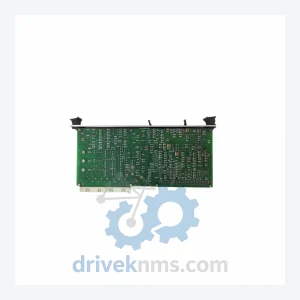
Yokogawa K9634DA-01 TCD Card Modules
Yokogawa K9634DA-01 is listed for Servo Drives RFQ review. Confirm quantity, condition and destination before quotation.
RFQ-ready industrial model
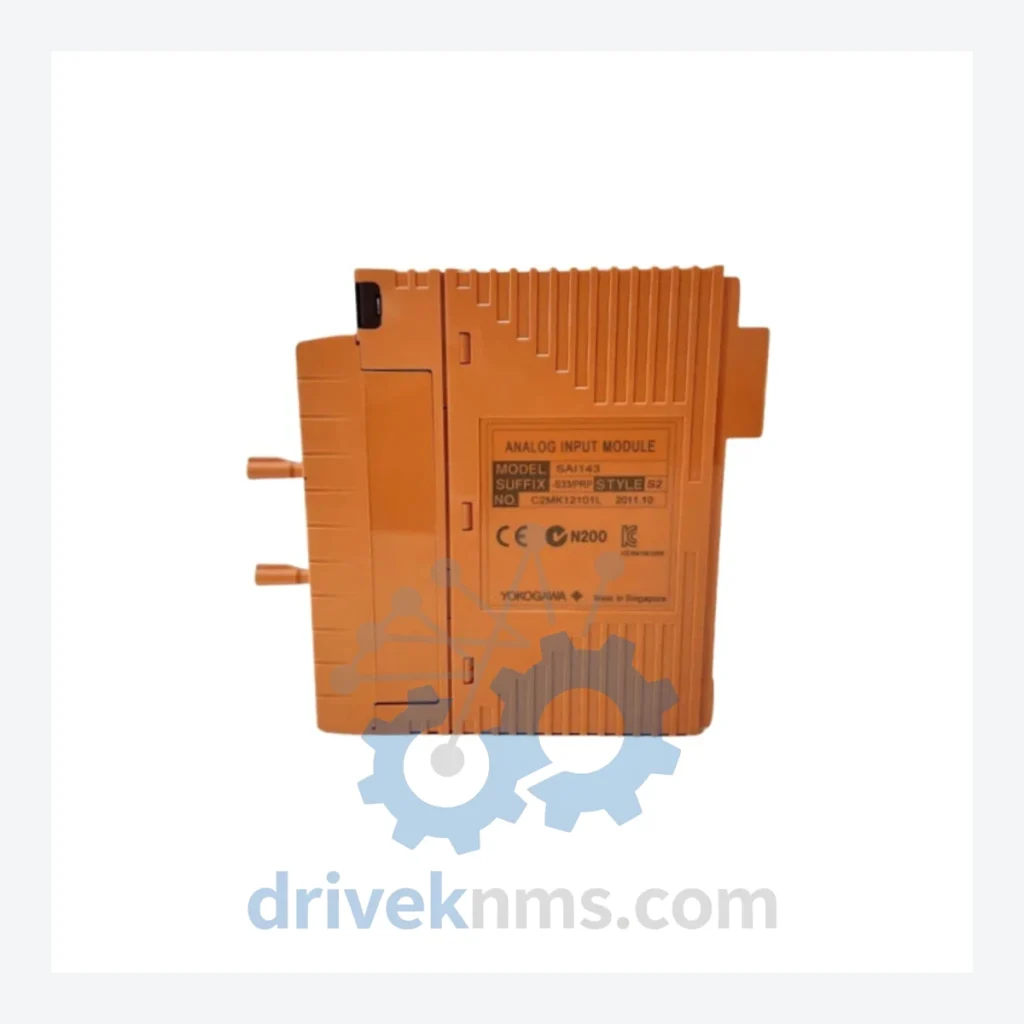
Model: SAI143-H63 S4
Product Overview
Commercial availability is handled through direct RFQ, model verification and export-oriented follow-up rather than public cart checkout.
Datasheet Preview
Use attached product manuals when available. If the manual is not public yet, request the full file directly through RFQ.
Commercial Path
Product pages on DRIVEKNMS are designed to verify model, brand and series first, then move the buyer into one clean quotation path.
Technical Dossier
DriveKNMS maintains verified inventory of the Yokogawa SAI143-H63 S4. This module has been discontinued by Yokogawa and is no longer available through standard distribution channels. Procurement windows are closing. Facilities that have not secured spares are operating with unacceptable single-point-of-failure exposure.
RFQ support for obsolete parts: Send the model number, required quantity and destination so DriveKNMS can confirm sourcing options before quotation.
Note: Electrical parameters such as channel count, input range, and signal type are not published here to prevent specification errors. Contact us for a full datasheet and compatibility confirmation before ordering.
The Yokogawa CENTUM platform has served process industries — refining, petrochemicals, power generation, pharmaceuticals — for decades. Its reliability record is the reason so many facilities have deferred migration to newer architectures. That same longevity is now the source of a procurement problem: the hardware ecosystem that supports these systems has been progressively discontinued.
The SAI143-H63 S4 sits at the field interface layer of the CENTUM I/O subsystem. It converts analog field signals into digital data that the controller processes. There is no software patch, no firmware update, and no configuration change that compensates for a failed module of this type. The replacement path is either a like-for-like spare or a full I/O subsystem re-engineering project — a project that typically requires months of engineering work, a planned shutdown, and capital expenditure that dwarfs the cost of maintaining a spare inventory.
Facilities managing aging CENTUM installations face a straightforward asset protection calculation. The installed base of process equipment — reactors, compressors, heat exchangers, distillation columns — represents capital measured in tens or hundreds of millions of dollars. The control system that operates that equipment represents a fraction of that value. The spare parts that keep the control system operational represent a fraction of the control system's value. Allowing a production asset to become vulnerable to a single obsolete module is a risk management failure, not a cost-saving measure.
Plant managers facing pressure to retire aging CENTUM systems often have more options than their engineering teams present. A structured spare parts strategy can defer a full migration by five to ten years at a fraction of the replacement cost. The following approach is used by facilities that have successfully extended CENTUM system life well beyond the manufacturer's support window:
1. Conduct a critical module audit. Identify every module type in the installed CENTUM system. Cross-reference each against Yokogawa's published end-of-life notices. Modules that are discontinued and have no current-production equivalent are your highest-priority procurement targets.
2. Establish a minimum spare holding for each critical module type. For a module like the SAI143-H63 S4, a facility running multiple CENTUM cabinets should hold a minimum of two to three verified spares. The holding cost is negligible relative to the cost of a single unplanned outage.
4. Implement a rotation and inspection schedule. Obsolete modules in storage are not indefinitely stable. Electrolytic capacitors degrade over time. A rotation schedule — pulling stored modules into service and returning operational modules to storage — distributes wear and provides regular functional verification.
5. Negotiate a long-term supply agreement. If your facility's CENTUM system will remain in service for five or more years, a forward supply agreement with a specialist supplier locks in access to modules before remaining inventory is exhausted globally.
This approach does not require engineering resources at the scale of a migration project. It requires procurement discipline and a supplier relationship with access to verified obsolete inventory.
Every SAI143-H63 S4 unit shipped by DriveKNMS passes a five-stage quality process before it leaves our facility:
Stage 1 – Visual and Mechanical Inspection: Full board inspection for physical damage, pin corrosion, solder joint integrity, and connector condition. Units with compromised connectors or corroded pins are rejected at this stage.
Stage 2 – Electrolytic Capacitor Assessment: Capacitors are the primary age-related failure point in modules of this generation. Each unit is assessed for capacitor condition. Units showing evidence of electrolyte leakage or bulging are either recapped with specification-matched components or rejected.
Stage 3 – Firmware Version Verification: Where firmware version data is accessible, it is recorded and disclosed to the customer. Compatibility with the target system revision is confirmed before dispatch review.
Stage 4 – Functional Test: Modules are powered and tested for basic operational response. Units that fail functional testing are not shipped.
Stage 5 – Packaging and Documentation: Passed units are packaged in anti-static materials with desiccant. A test record and condition report accompany each shipment.
Drop-in replacement compatibility: The SAI143-H63 S4 installs into the existing CENTUM I/O slot without mechanical modification. No new wiring, no new termination panels.
No reprogramming required: Module configuration is held at the controller level in a correctly maintained CENTUM system. A replacement module does not require re-entry of field parameters, eliminating a significant source of commissioning error.
No engineering re-architecture: Unlike a migration to a current-generation I/O platform, a like-for-like module replacement does not require changes to the control strategy, the HMI graphics, the historian configuration, or the safety system interfaces. The scope of work is a module swap, not a project.
How do I confirm the module is genuine and not counterfeit?
All units sourced by DriveKNMS are accompanied by traceability documentation where available. We do not source from unverified brokers. Our QA process includes visual authentication checks against known-genuine reference units. If you require additional authentication documentation for your procurement process, contact us before ordering.
Should I buy more than one unit?
For any facility where the SAI143-H63 S4 is installed in a production-critical application, holding a minimum of two spares is a defensible risk management position. Global secondary market inventory for discontinued Yokogawa CENTUM modules is finite and diminishing. Procurement that is deferred is procurement that may not be possible in 12 to 24 months.
Can you source other discontinued Yokogawa CENTUM modules?
Yes. DriveKNMS specializes in obsolete and hard-to-find industrial automation components across multiple platforms. Contact us with your full bill of materials for a sourcing assessment.
Continue The Model Path
Move from this exact model into the matching system hub, brand archive, model-family archive or lifecycle sourcing route before sending a final RFQ list.
Related Paths
Yokogawa K9634DA-01 is listed for Servo Drives RFQ review. Confirm quantity, condition and destination before quotation.
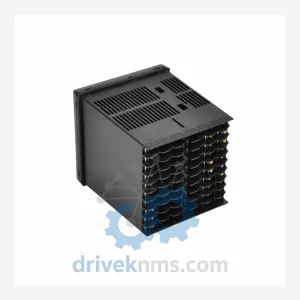
Yokogawa UT350 UT350-01 is listed for Servo Drives RFQ review. Confirm quantity, condition and destination before quotation.
Yokogawa NFDR541-P00 S2 is listed for Servo Drives RFQ review. Confirm quantity, condition and destination before quotation.