
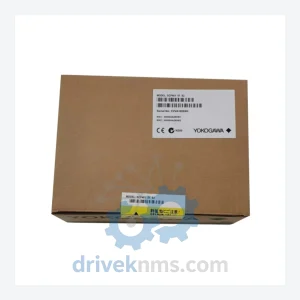
YOKOGAWA SCP461-E1 Signal Converter – STARDOM Series
Yokogawa SCP461-E1 is listed for STARDOM RFQ review. Confirm quantity, condition and destination before quotation.
RFQ-ready industrial model
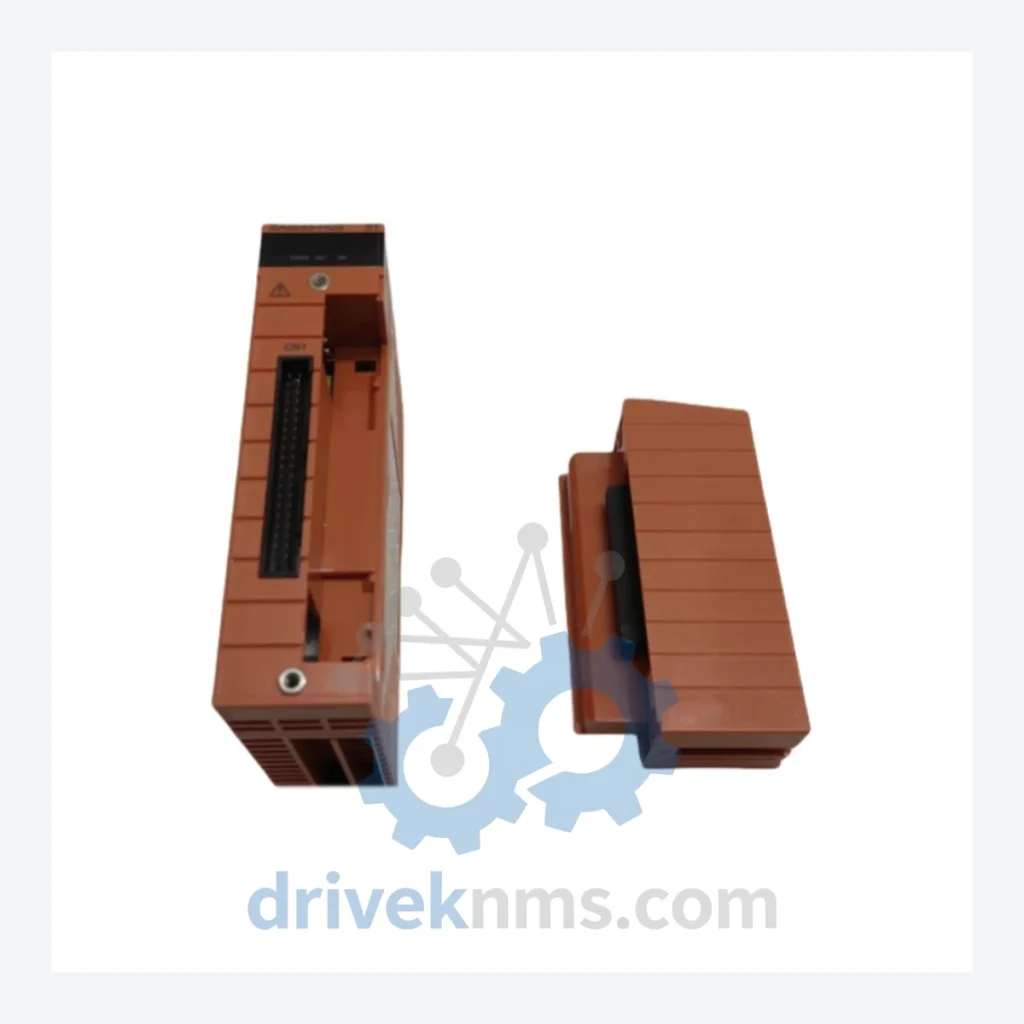
Model: SAI533-H03
Product Overview
Commercial availability is handled through direct RFQ, model verification and export-oriented follow-up rather than public cart checkout.
Datasheet Preview
Use attached product manuals when available. If the manual is not public yet, request the full file directly through RFQ.
Commercial Path
Product pages on DRIVEKNMS are designed to verify model, brand and series first, then move the buyer into one clean quotation path.
Technical Dossier
DriveKNMS maintains RFQ-reviewed sourcing status of the SAI533-H03. This is not a broker listing. Availability is limited and not guaranteed to persist.
RFQ support for obsolete parts: Send the model number, required quantity and destination so DriveKNMS can confirm sourcing options before quotation.
| Parameter | Detail |
|---|---|
| Manufacturer | Yokogawa Electric Corporation |
| Part Number | SAI533-H03 |
| Module Type | Analog Input Signal Conditioner |
| Compatible Platform | Yokogawa CENTUM CS / CENTUM VP / STARDOM FCN/FCJ |
| Country of Origin | Japan |
| Discontinuation Status | Obsolete – No longer manufactured or sold by Yokogawa OEM channels |
| Condition Available | New surplus / Professionally refurbished (see QA section) |
Note: Electrical parameters such as input range, channel count, and power ratings are hardware-version specific. DriveKNMS does not publish unverified specifications. Contact us with your system configuration for confirmed compatibility data.
Yokogawa's CENTUM and STARDOM platforms have served the refining, petrochemical, power generation, and water treatment industries for decades. Their reliability is precisely why so many facilities continue to operate them well past the OEM's stated product lifecycle. The SAI533-H03 sits at the analog input layer of these systems — the point where field instruments communicate process variables to the control logic. There is no software patch that replaces a failed hardware module at this layer.
The professional approach is to treat critical obsolete modules as capital assets requiring a defined spare parts strategy — not as consumables to be sourced reactively. A single SAI533-H03 held in climate-controlled storage can protect years of deferred migration cost. For facilities managing 10 to 20 year asset lifecycles on legacy DCS infrastructure, maintaining a 2-to-3 unit buffer of critical I/O modules is standard practice in asset-intensive industries. The math is straightforward: the cost of one unplanned shutdown day typically exceeds the cost of a full spare parts inventory for an entire control system cabinet.
DriveKNMS specializes in sourcing, verifying, and supplying exactly these modules — the ones that no longer appear in OEM price lists but remain essential to the continued operation of installed systems.
Obsolete hardware sourced from the secondary market carries inherent risk. DriveKNMS applies a structured 5-step inspection protocol to every SAI533-H03 unit before it leaves our facility:
Step 1 – Visual and Mechanical Inspection: Full examination of PCB surfaces, connector pins, and housing integrity. Units with physical damage, corrosion, or evidence of field repair are rejected at this stage.
Step 2 – Electrolytic Capacitor Assessment: Aging electrolytic capacitors are the primary failure mode in legacy analog I/O hardware. Each unit is inspected for capacitor bulging, leakage, and ESR degradation. Units with compromised capacitors are either recapped with specification-matched components or removed from inventory.
Step 3 – Firmware and Configuration Verification: Where applicable, firmware version is confirmed against known compatible releases for the target platform. No unauthorized firmware modifications are accepted.
Step 4 – Pin and Contact Integrity Check: Backplane connector pins are inspected under magnification for oxidation, mechanical deformation, and contact resistance. Corroded contacts are treated or the unit is rejected.
Units that pass all five stages are classified as Professionally Refurbished – Ready for Service. New surplus units that have never been installed are classified separately and documented accordingly.
The SAI533-H03 is a direct hardware replacement for the same module position within the target rack or chassis. No re-engineering of the control loop is required. Specifically:
Drop-in replacement: The module occupies the same physical slot and uses the same backplane interface as the original. Swap time is measured in minutes, not days.
No reprogramming required: Control logic, tag assignments, and loop configurations resident in the DCS controller are unaffected by a module swap. The replacement module inherits the existing configuration from the system.
No engineering rework: Unlike a platform migration, a module replacement does not require P&ID updates, loop sheet revisions, or safety system revalidation. The installed system architecture remains intact.
For plant engineers and maintenance managers operating under deferred capital budgets, this is the lowest-cost, lowest-risk path to sustained system availability.
Q: How do I confirm whether the unit is new surplus or refurbished?
A: Each unit ships with a condition certificate specifying its classification (new surplus or professionally refurbished), inspection date, and technician reference. This documentation is included with every order.
Q: Can you source other Yokogawa obsolete modules?
A: Yes. DriveKNMS maintains sourcing relationships across the Yokogawa CENTUM and STARDOM product families, as well as other legacy DCS and PLC platforms. Submit your full BOM or parts list for a consolidated quote.
Continue The Model Path
Move from this exact model into the matching system hub, brand archive, model-family archive or lifecycle sourcing route before sending a final RFQ list.
Related Paths
Yokogawa SCP461-E1 is listed for STARDOM RFQ review. Confirm quantity, condition and destination before quotation.
Yokogawa SAI533-H33 S1 is listed for STARDOM RFQ review. Confirm quantity, condition and destination before quotation.
Yokogawa SDV531-L33 S4 is listed for STARDOM RFQ review. Confirm quantity, condition and destination before quotation.