
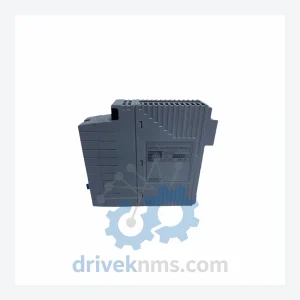
Yokogawa ANT502-10 Bus Repeater Module: CENTUM CS 3000 & VP Series
Yokogawa ANT502-10 is listed for CENTUM CS RFQ review. Confirm quantity, condition and destination before quotation.
RFQ-ready industrial model
Model: SAI533-H63/PRP S1
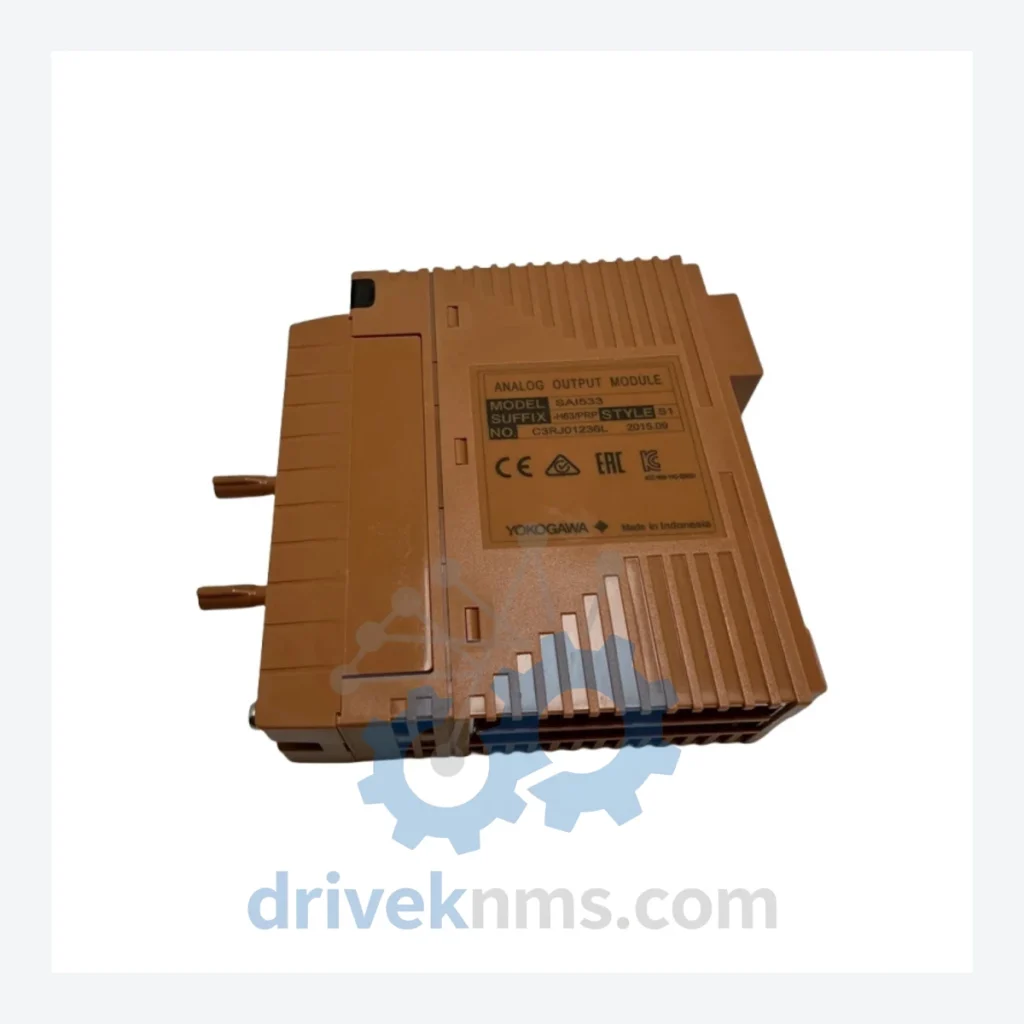
Product Overview
Commercial availability is handled through direct RFQ, model verification and export-oriented follow-up rather than public cart checkout.
Datasheet Preview
Use attached product manuals when available. If the manual is not public yet, request the full file directly through RFQ.
Commercial Path
Product pages on DRIVEKNMS are designed to verify model, brand and series first, then move the buyer into one clean quotation path.
Technical Dossier
| Parameter | Detail |
|---|---|
| Part Number | SAI533-H63/PRP S1 |
| Manufacturer | Yokogawa Electric Corporation |
| Module Type | Analog Output Module |
| Compatible Platform | Yokogawa CENTUM CS / CENTUM VP DCS |
| Country of Origin | Japan |
| Product Status | Discontinued / Obsolete |
| Condition Available | New surplus / Tested refurbished |
Note: Specific electrical parameters (channel count, output range, resolution) are not published here to avoid inaccuracy. Confirmed specifications are provided upon request with official Yokogawa documentation.
The Yokogawa CENTUM CS and CENTUM VP platforms have served refineries, chemical plants, and power generation facilities for decades. Their reliability is precisely why so many facilities continue to operate them well past the point where Yokogawa's own support lifecycle has ended. The SAI533-H63/PRP S1 sits at a critical node in these systems — analog output signals that drive final control elements such as control valves and variable-speed drives. There is no software patch for a failed output module. The only path to continued operation is a physical replacement with a compatible unit.
Extending the operational life of a CENTUM CS or VP system by 5 to 10 years through strategic spare parts positioning is a defensible capital strategy. The cost of maintaining a critical spare inventory — even for modules priced at a premium on the secondary market — is a fraction of the engineering and lost-production cost of an unplanned system migration. For plant managers facing board-level pressure to defer capital expenditure, a documented spare parts program for legacy DCS hardware provides a concrete, low-cost alternative to immediate system replacement. The argument is straightforward: if the system is performing its control function reliably, the only justification for replacement is the inability to maintain it. Remove that constraint, and the replacement decision can be made on a planned schedule, at a time and budget of your choosing.
Sourcing discontinued industrial control hardware from the secondary market carries real risk. DriveKNMS applies a structured 5-step qualification process to every module before it is offered for sale:
Modules that do not pass all five stages are not offered as operational spares. Condition grade is disclosed clearly on each unit.
How do I know the module is genuine and not counterfeit?
All modules are sourced through documented channels. Yokogawa part markings, date codes, and revision labels are verified during intake inspection. We do not source from unverified brokers. Documentation of provenance is available on request.
Should I buy more than one unit?
For any module that is confirmed discontinued and installed in a running system, holding a minimum of one cold spare is standard practice. For critical loops — those controlling safety-relevant or high-value process streams — two spares is a more defensible position. Given that secondary market availability of the SAI533-H63/PRP S1 is finite and declining, procurement decisions made today carry lower risk and lower cost than those made under emergency conditions.
Can you source other Yokogawa CENTUM legacy modules?
Yes. DriveKNMS specializes in hard-to-find Yokogawa, Honeywell, ABB, and Siemens legacy DCS and PLC components. Submit your full bill of materials and we will advise on availability.
Continue The Model Path
Move from this exact model into the matching system hub, brand archive, model-family archive or lifecycle sourcing route before sending a final RFQ list.
Related Paths
Yokogawa ANT502-10 is listed for CENTUM CS RFQ review. Confirm quantity, condition and destination before quotation.
Yokogawa NFAI135-S51 is listed for CENTUM CS RFQ review. Confirm quantity, condition and destination before quotation.
Yokogawa S2CP471-01 S1 is listed for CENTUM CS RFQ review. Confirm quantity, condition and destination before quotation.