
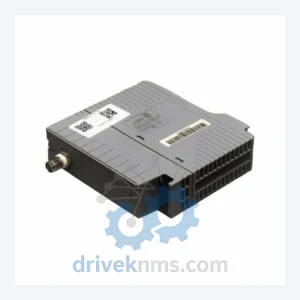
Yokogawa EB401-10 S1 Bus Interface Module – Obsolete CENTUM Series Spare Part
Yokogawa EB401-10 S1 is listed for 10 S1 Bus Interface Module RFQ review. Confirm quantity, condition and destination before quotation.
RFQ-ready industrial model
Model: SB401-10 S1
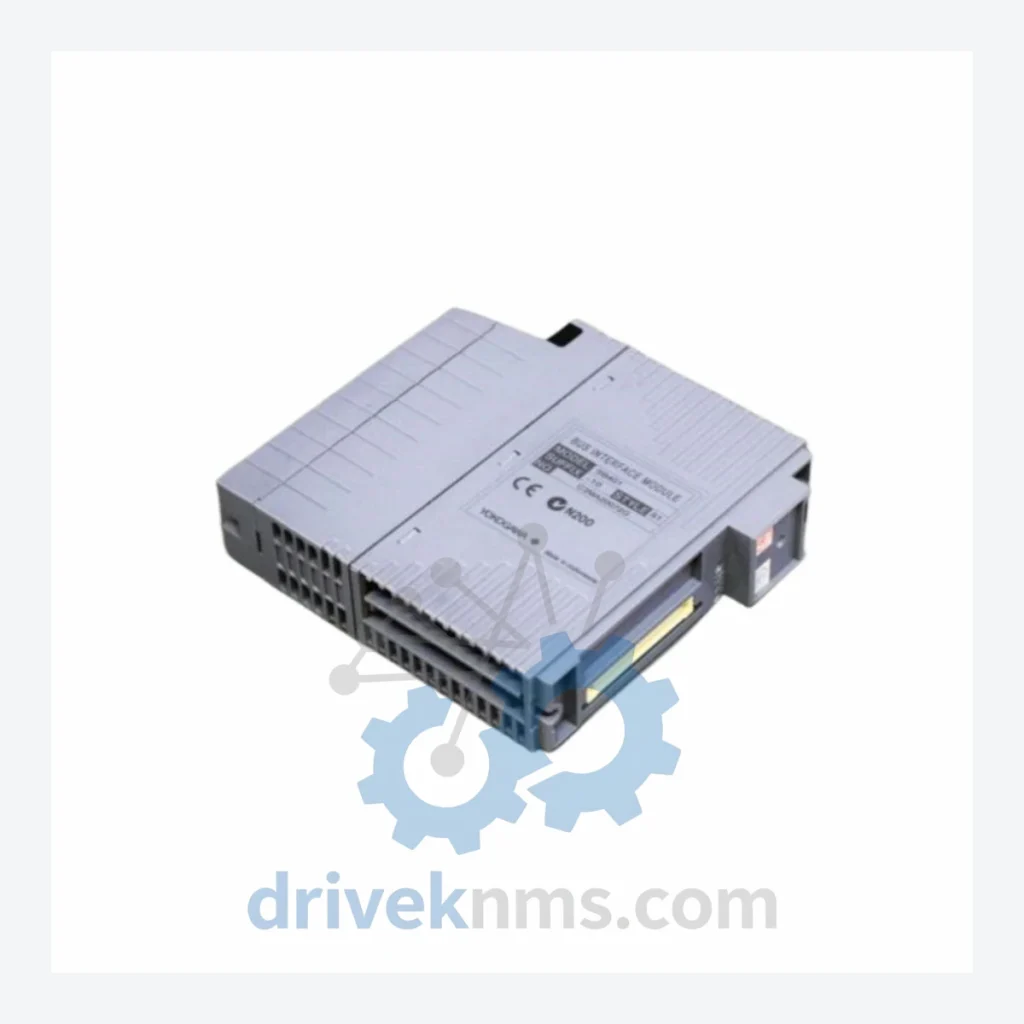
Product Overview
Commercial availability is handled through direct RFQ, model verification and export-oriented follow-up rather than public cart checkout.
Datasheet Preview
Use attached product manuals when available. If the manual is not public yet, request the full file directly through RFQ.
Commercial Path
Product pages on DRIVEKNMS are designed to verify model, brand and series first, then move the buyer into one clean quotation path.
Technical Dossier
When a Bus Interface Module fails in a Yokogawa CENTUM-based distributed control system, the consequences extend far beyond a single card replacement. The SB401-10 S1 sits at the communication backbone of the control architecture. Its failure can halt data exchange between field stations and the engineering workstation, triggering a full process shutdown. For facilities running continuous production — petrochemical, power generation, pulp and paper — an unplanned outage measured in hours can translate into millions of dollars in lost output, emergency contractor fees, and regulatory exposure.
The harder reality: Yokogawa discontinued the SB401-10 S1 as part of the broader CENTUM VP and CENTUM CS legacy phase-out. New replacement units are no longer available through standard distribution channels. The only alternative to sourcing a genuine spare is a full system migration — a project that routinely costs USD 2–5 million and requires 12–24 months of engineering, validation, and commissioning work. DriveKNMS holds RFQ-reviewed sourcing status of the SB401-10 S1. This is not a broker listing. This is confirmed, inspected inventory.
RFQ support for obsolete parts: Send the model number, required quantity and destination so DriveKNMS can confirm sourcing options before quotation.
| Parameter | Detail |
|---|---|
| Part Number | SB401-10 S1 |
| Manufacturer | Yokogawa Electric Corporation |
| Series | CENTUM (CS / VP Legacy) |
| Function | Bus Interface Module – inter-unit communication bridge |
| Country of Origin | Japan |
| Lifecycle Status | Discontinued / Obsolete – no longer in production |
| Compatible Systems | Yokogawa CENTUM CS, CENTUM VP (legacy configurations) |
| Mounting | DCS rack-mount, standard Yokogawa backplane |
| Note | Electrical parameters are confirmed only against physical unit inspection. No speculative data is published here. |
The Yokogawa CENTUM platform has been the control backbone of refineries, chemical plants, and utility facilities across Asia, the Middle East, and Europe for over two decades. Many of these installations were engineered for 20–30 year operational lifespans. The hardware, however, was not designed with that same longevity in mind from a supply chain perspective.
The SB401-10 S1 Bus Interface Module is a single point of failure in the CENTUM communication architecture. Unlike peripheral I/O cards that can sometimes be bypassed or substituted, the bus interface layer is non-negotiable. Without it, the field control stations lose their communication path to the supervisory layer. There is no software workaround.
Factory managers facing system retirement pressure from corporate EPC teams often underestimate the cost-benefit calculation. A genuine spare part — even at a premium — costs a fraction of what a forced migration demands. The SB401-10 S1 is not a consumable. It is an asset protection instrument. Holding one unit in bonded inventory extends the operational life of the entire CENTUM installation by years, not months.
How to extend your legacy automation asset life by 5–10 years without a full system migration:
DriveKNMS does not ship untested legacy hardware. Every SB401-10 S1 unit passes a structured 5-step inspection protocol before it leaves our facility:
Units are classified and sold as: New Surplus (unused, original packaging where available) or Refurbished (inspected, tested, restored to operational condition). Condition is stated explicitly on every invoice.
Should I buy more than one unit?
For any CENTUM installation with more than 5 years of planned remaining operational life, holding a minimum of two SB401-10 S1 units in bonded spare inventory is the standard recommendation. The second unit covers the scenario where the first spare is consumed during an unplanned event before a replacement can be sourced again — which, for obsolete parts, may take 6–18 months.
Can you source other Yokogawa CENTUM legacy modules?
Yes. DriveKNMS specializes in hard-to-find and obsolete DCS, PLC, and drive components across major automation brands. Contact us with your full BOM for a comprehensive sourcing assessment.
Continue The Model Path
Move from this exact model into the matching system hub, brand archive, model-family archive or lifecycle sourcing route before sending a final RFQ list.
Related Paths
Yokogawa EB401-10 S1 is listed for 10 S1 Bus Interface Module RFQ review. Confirm quantity, condition and destination before quotation.
Yokogawa AIP502 is listed for Net Coupler Module RFQ review. Confirm quantity, condition and destination before quotation.
Yokogawa NP53*C is listed for CENTUM VP RFQ review. Confirm quantity, condition and destination before quotation.