
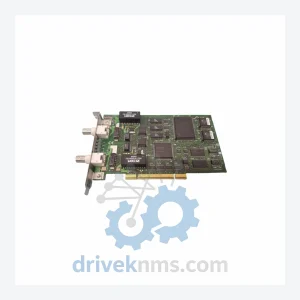
Yokogawa VF701 Series Modules VF701 S3 / VF701 S1 Communication Card
Yokogawa VF701 S3/VF701 S1 is listed for VF701 Series RFQ review. Confirm quantity, condition and destination before quotation.
RFQ-ready industrial model
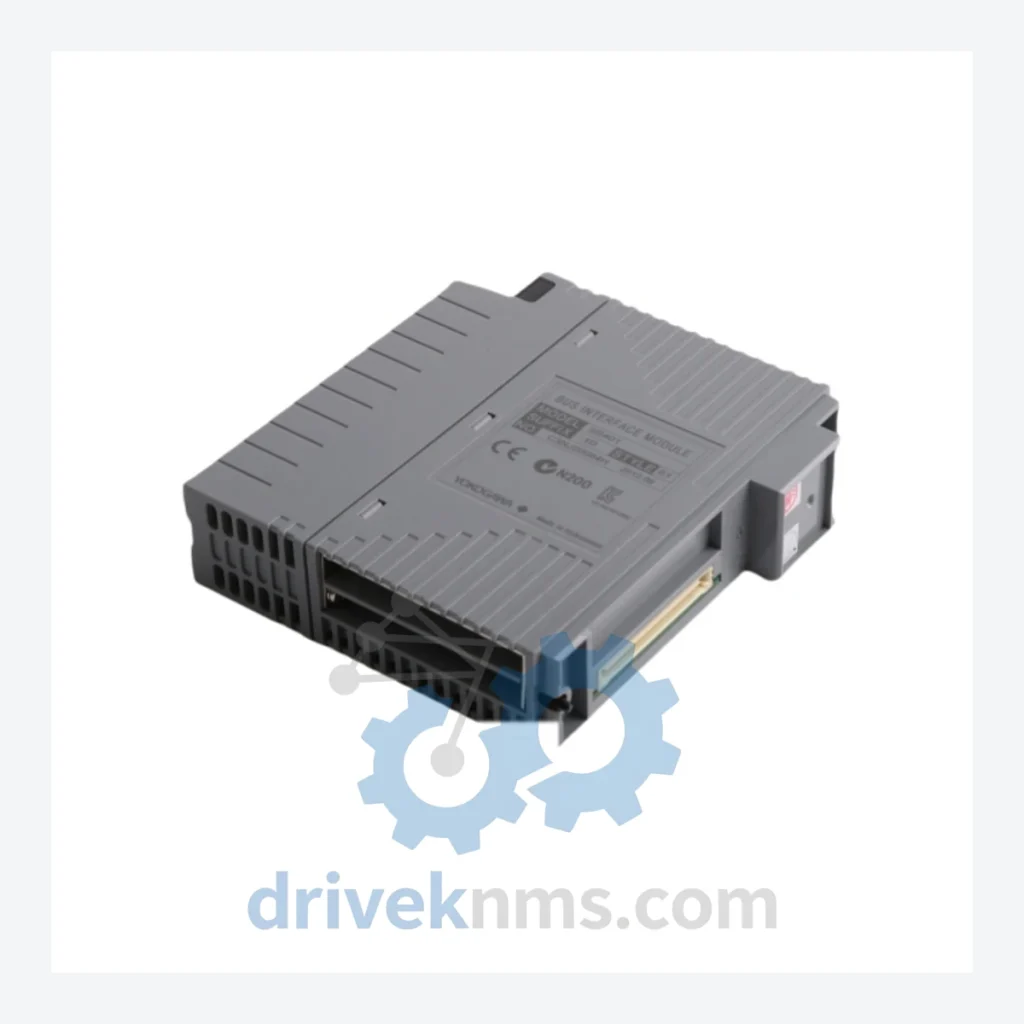
Model: SB401-11 S1
Product Overview
Commercial availability is handled through direct RFQ, model verification and export-oriented follow-up rather than public cart checkout.
Datasheet Preview
Use attached product manuals when available. If the manual is not public yet, request the full file directly through RFQ.
Commercial Path
Product pages on DRIVEKNMS are designed to verify model, brand and series first, then move the buyer into one clean quotation path.
Technical Dossier
When a Yokogawa SB401-11 S1 ESB Bus Slave Interface Module fails in a running CENTUM-based control system, the consequences are not limited to a single module replacement. For plants still operating on CENTUM CS, CENTUM CS 3000, or earlier CENTUM V architectures, this module is a structural node in the ESB (Extended Serial Backplane) communication chain. Its failure can cascade into a full-segment communication blackout, forcing an unplanned shutdown of the affected control loop or, in worst cases, the entire process unit.
RFQ support for obsolete parts: Send the model number, required quantity and destination so DriveKNMS can confirm sourcing options before quotation.
| Parameter | Detail |
|---|---|
| Part Number | SB401-11 S1 |
| Manufacturer | Yokogawa Electric Corporation |
| Module Type | ESB Bus Slave Interface Module |
| Compatible Series | CENTUM CS, CENTUM CS 3000, CENTUM V |
| Bus Type | ESB (Extended Serial Backplane) |
| Country of Origin | Japan |
| Product Status | Discontinued / Obsolete – No longer manufactured by Yokogawa |
| Typical Application | Field Control Station (FCS) ESB segment slave communication |
Note: Electrical parameters not listed above are not confirmed from available documentation. DriveKNMS does not publish unverified specifications. Contact us for datasheet support.
The Yokogawa CENTUM platform has a decades-long installed base across refining, petrochemical, power generation, and pharmaceutical facilities worldwide. The SB401-11 S1 operates as a slave interface on the ESB bus, enabling communication between the Field Control Station backplane and connected I/O modules. In a functioning CENTUM architecture, this module is not optional — it is the communication backbone for its assigned ESB segment.
For plant managers facing capital budget constraints, regulatory freeze periods, or multi-year production contracts that make a DCS migration impractical in the near term, securing a physical spare of the SB401-11 S1 is the operationally sound decision. A single unit on the shelf can extend the productive life of an entire CENTUM control segment by 5 to 10 years — deferring a migration project until it can be planned, budgeted, and executed on the plant's own schedule rather than under emergency conditions.
DriveKNMS applies a structured 5-step quality assurance process to all obsolete modules before dispatch review:
Units that do not pass all five steps are not offered for sale. Condition grade (New Surplus, Refurbished, or Used-Tested) is disclosed on the invoice.
Q: Can you source additional quantity if I need more than one?
A: Contact us with your required quantity. DriveKNMS maintains sourcing relationships across multiple regions and can advise on availability timelines for larger orders.
Continue The Model Path
Move from this exact model into the matching system hub, brand archive, model-family archive or lifecycle sourcing route before sending a final RFQ list.
Related Paths
Yokogawa VF701 S3/VF701 S1 is listed for VF701 Series RFQ review. Confirm quantity, condition and destination before quotation.
Yokogawa VC401-10 is listed for Communication Modules RFQ review. Confirm quantity, condition and destination before quotation.
Yokogawa SB401-51 is listed for Communication Modules RFQ review. Confirm quantity, condition and destination before quotation.