
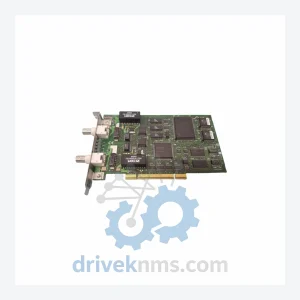
Yokogawa VF701 Series Modules VF701 S3 / VF701 S1 Communication Card
Yokogawa VF701 S3/VF701 S1 is listed for VF701 Series RFQ review. Confirm quantity, condition and destination before quotation.
RFQ-ready industrial model
Model: SB401-50
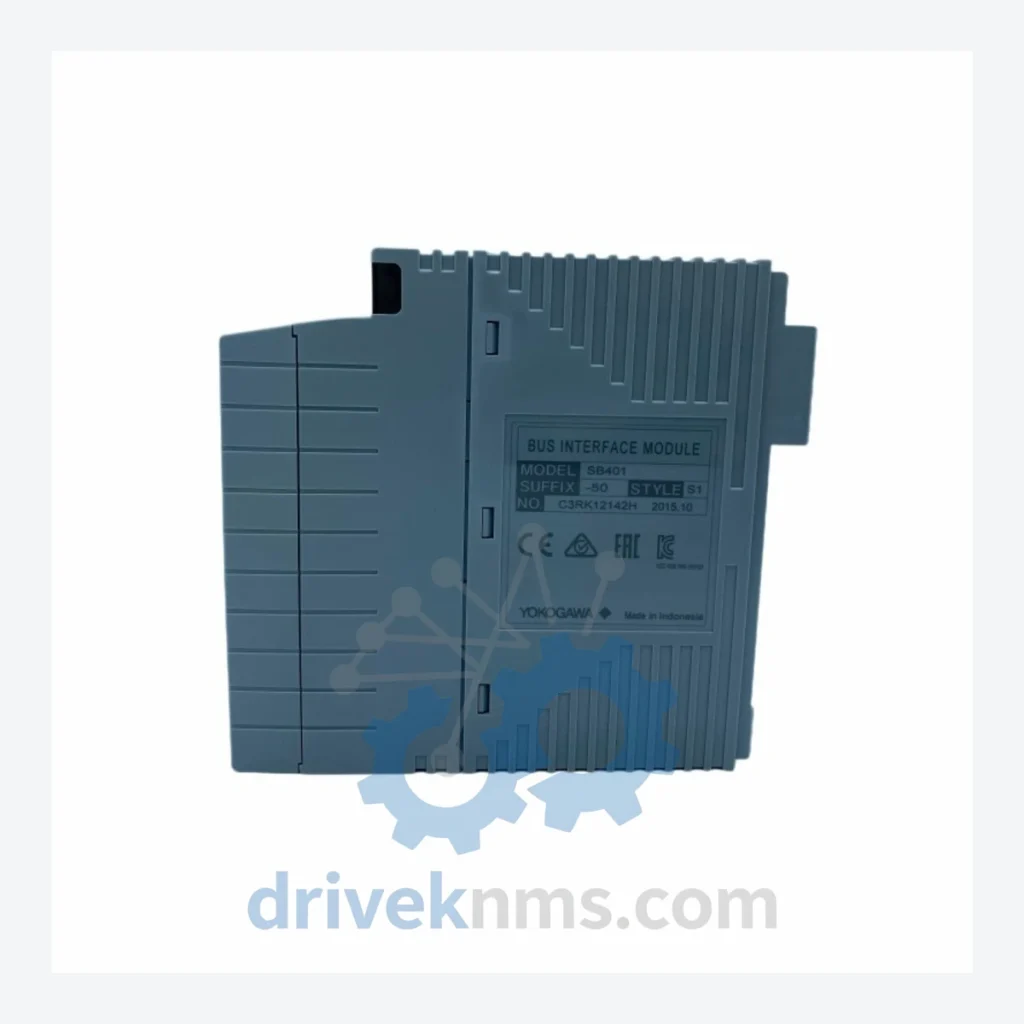
Product Overview
Commercial availability is handled through direct RFQ, model verification and export-oriented follow-up rather than public cart checkout.
Datasheet Preview
Use attached product manuals when available. If the manual is not public yet, request the full file directly through RFQ.
Commercial Path
Product pages on DRIVEKNMS are designed to verify model, brand and series first, then move the buyer into one clean quotation path.
Technical Dossier
Q: How are RFQ terms confirmed?
A: Quantity, required condition, documentation needs, destination and sourcing route are confirmed during RFQ review before quotation.
RFQ support for obsolete parts: Send the model number, required quantity and destination so DriveKNMS can confirm sourcing options before quotation.
Note: Electrical parameters such as baud rate range, port count, and protocol support are model-variant dependent. DriveKNMS will confirm exact specifications against your system documentation upon inquiry. No parameters are assumed or fabricated.
The Yokogawa FA-M3 series remains operational in a significant number of process control installations where the cost and risk of migration outweigh the benefits of modernization. The SB401-50 serial interface module serves as the communication backbone between the FA-M3 CPU rack and field devices — including legacy HART instruments, barcode readers, and third-party serial peripherals — that themselves cannot be easily replaced without triggering a cascade of re-validation requirements.
For plant managers and maintenance engineers operating Yokogawa FA-M3 systems under retirement pressure, the following strategy has been applied successfully across multiple facilities to defer migration costs while maintaining system reliability:
3. Source Before Failure, Not After. The secondary market for obsolete Yokogawa FA-M3 modules tightens every year as installed base units are decommissioned and cannibalized. Procurement after a failure event means paying premium prices under time pressure, or accepting unverified units from unvetted sources. Procurement now means controlled cost and verified condition.
4. Document Firmware and Configuration Baselines. For communication modules, maintain a current backup of all port configuration parameters, protocol settings, and node addressing. This eliminates re-commissioning time when a replacement unit is installed.
5. Negotiate a Lifecycle Support Agreement. Work with a specialist supplier — not a generalist distributor — to establish a standing arrangement for critical obsolete modules. This provides price visibility, priority allocation, and reduces the administrative burden of emergency procurement.
Facilities that implement this approach consistently report the ability to extend FA-M3 system operational life by five to ten years beyond the point at which migration pressure first appears — at a fraction of the migration cost.
DriveKNMS applies a 5-step quality assurance process to all discontinued modules before dispatch review:
Step 1 – Visual and Physical Inspection: Full examination of PCB surface, connector pins, and housing for corrosion, mechanical damage, or evidence of prior repair. Units with compromised pin integrity are rejected at this stage.
Step 2 – Electrolytic Capacitor Assessment: Legacy modules manufactured in the 1990s and 2000s are subject to electrolytic capacitor aging. Each unit is assessed for capacitor bulging, leakage, and ESR deviation. Affected capacitors are replaced with specification-matched components before the unit proceeds.
Step 3 – Firmware Version Verification: Where applicable, firmware revision is confirmed and documented. Compatibility with the target FA-M3 CPU firmware version is verified prior to shipment.
Step 4 – Functional Power-On Test: Each unit is powered and subjected to a functional communication test under controlled conditions. Pass/fail results are logged and accompany the shipment.
Step 5 – Anti-Static Packaging and Documentation: Units are packaged in ESD-safe materials with a condition report, test log, and recommended installation notes.
Drop-in Replacement: The SB401-50 installs directly into the existing FA-M3 rack slot. No rack modification, no backplane rewiring.
No Re-Programming Required: Configuration parameters stored in the CPU or on external media are retained. Replacement does not trigger a full re-commissioning cycle under standard conditions.
Avoids Engineering Reconstruction Costs: Substituting a verified SB401-50 unit eliminates the need to engage a systems integrator for rack redesign, I/O remapping, or software migration — costs that accumulate rapidly once a project is opened.
Q: How do I know the unit is genuine and not a counterfeit?
A: All Yokogawa modules supplied by DriveKNMS are sourced from decommissioned OEM installations or authorized secondary market channels. Each unit carries original Yokogawa labeling and serial markings. Counterfeit screening is part of our Step 1 inspection protocol.
Q: Can you support multi-unit or repeat RFQ requests?
A: Yes. Send the model list, target quantity and destination so DRIVEKNMS can review sourcing options and quote the requirement as a project RFQ.
Continue The Model Path
Move from this exact model into the matching system hub, brand archive, model-family archive or lifecycle sourcing route before sending a final RFQ list.
Related Paths
Yokogawa VF701 S3/VF701 S1 is listed for VF701 Series RFQ review. Confirm quantity, condition and destination before quotation.
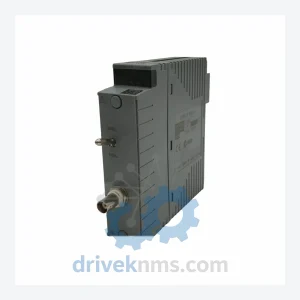
Yokogawa VC401-10 is listed for Communication Modules RFQ review. Confirm quantity, condition and destination before quotation.
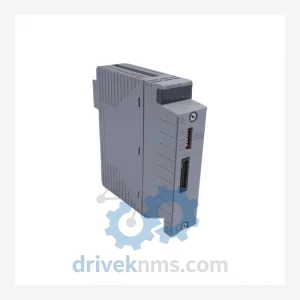
Yokogawa SB401-51 is listed for Communication Modules RFQ review. Confirm quantity, condition and destination before quotation.