
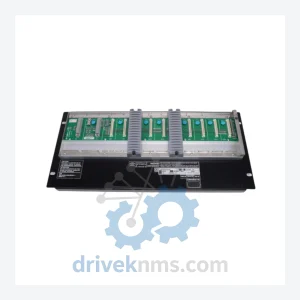
Yokogawa ANB10D-427 Analog Input Module: CENTUM CS 3000 / VP ANB Series
Yokogawa ANB10D-427 is listed for CENTUM CS RFQ review. Confirm quantity, condition and destination before quotation.
RFQ-ready industrial model
Model: SC2730 E2B029/ECUK E2B115/CPPC2 IPC300 WNT4EN
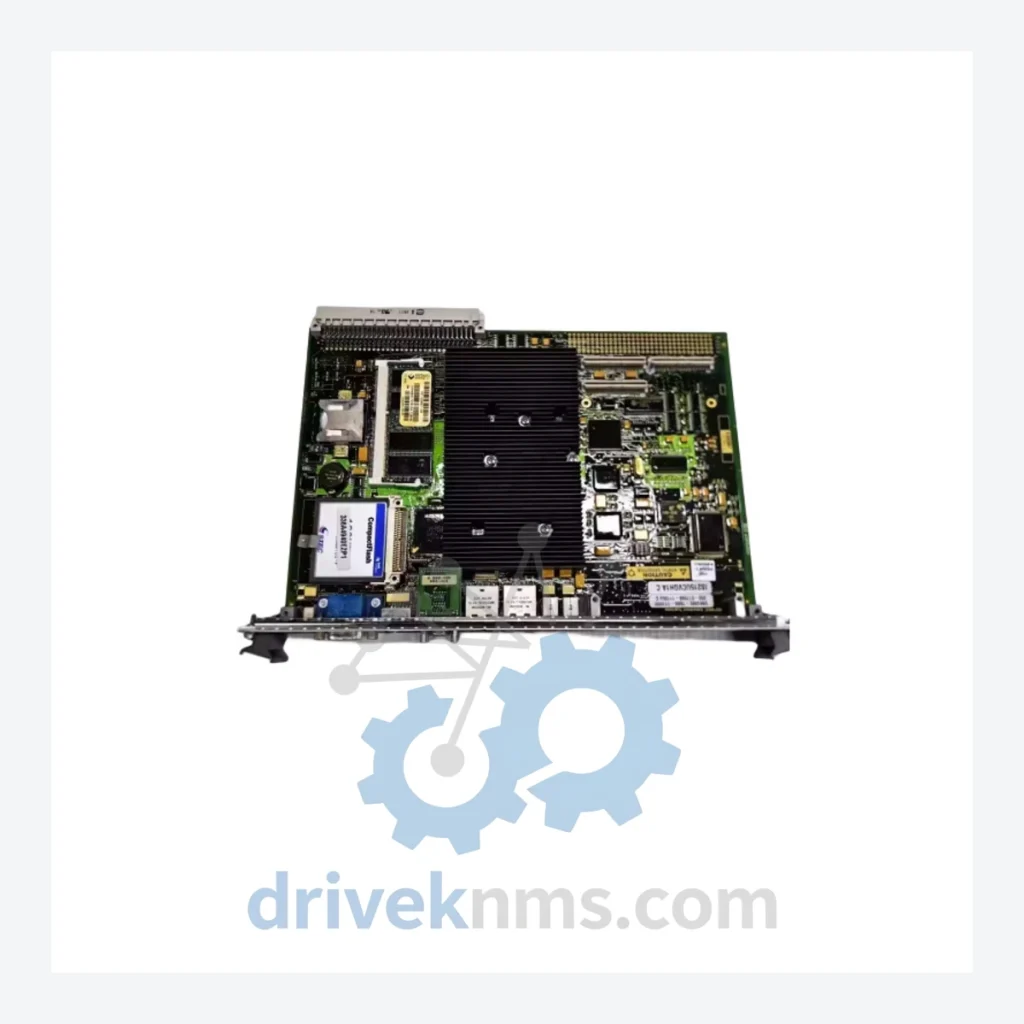
Product Overview
Commercial availability is handled through direct RFQ, model verification and export-oriented follow-up rather than public cart checkout.
Datasheet Preview
Use attached product manuals when available. If the manual is not public yet, request the full file directly through RFQ.
Commercial Path
Product pages on DRIVEKNMS are designed to verify model, brand and series first, then move the buyer into one clean quotation path.
Technical Dossier
RFQ support for obsolete parts: Send the model number, required quantity and destination so DriveKNMS can confirm sourcing options before quotation.
| Manufacturer | Yokogawa Electric Corporation |
|---|---|
| Part Number / SKU | SC2730 E2B029/ECUK E2B115/CPPC2 IPC300 WNT4EN |
| Product Category | DCS Control Card / Cabinet Assembly |
| Compatible System | Yokogawa CENTUM CS, CENTUM VP (Field Control Station / FCS) |
| Country of Origin | Japan |
| Manufacture Status | Discontinued / Obsolete – No longer in production |
| Replacement Availability | Drop-in replacement; no re-engineering required |
| Condition Available | New surplus / Professionally refurbished (see QA section) |
Note: Detailed electrical parameters (voltage ratings, signal ranges, bus specifications) are confirmed upon order inquiry to ensure accuracy. No unverified data is published.
The Yokogawa CENTUM CS platform was deployed extensively across refining, petrochemical, and power generation facilities throughout the 1990s and 2000s. Many of these installations remain in active production service today — not because operators are unaware of the hardware age, but because the process knowledge embedded in the control logic, the tuning parameters, and the operator interface represents decades of accumulated engineering value that cannot be transferred to a new platform without significant risk and cost.
The SC2730 control card assembly occupies a critical position within the Field Control Station (FCS) architecture. It handles real-time process control execution. A failure of this module without an available replacement does not result in a graceful degradation — it results in a hard shutdown of the affected control loop, with potential cascading effects on upstream and downstream process units.
The decision to extend the operational life of a legacy DCS rather than replace it is a capital allocation decision, not a technical failure. When the underlying process control logic is stable, the instrumentation is calibrated, and the operators are trained, the weakest link in the system is hardware availability — not hardware capability. A structured spare parts strategy directly addresses this constraint.
For the Yokogawa CENTUM CS/VP platform specifically, the following approach has been applied successfully by facilities operating under asset extension programs:
1. Identify single-point-of-failure modules. The SC2730 control card assembly is a primary candidate. There is no functional substitute within the existing FCS chassis. One failure without a spare equals one unplanned shutdown.
2. Establish a minimum two-unit buffer. One unit in active service, one unit in climate-controlled storage. This provides coverage for both sudden failure and scheduled maintenance swap-out.
4. Document firmware and configuration state before any swap. For CENTUM CS FCS modules, the control database resides on the engineering station, not the card itself. However, hardware revision compatibility between the replacement card and the existing FCS backplane must be confirmed prior to installation.
DriveKNMS applies a 5-stage quality assurance process to all obsolete control system hardware before dispatch review:
Stage 1 – Visual and Physical Inspection: Full examination of PCB surfaces, connector pins, and housing integrity. Pin corrosion, mechanical damage, and evidence of prior field failure are documented and assessed.
Stage 2 – Electrolytic Capacitor Assessment: Aging electrolytic capacitors are the primary failure mode in legacy DCS hardware stored for extended periods. Each unit is inspected for capacitor bulging, leakage, and ESR degradation. Units with compromised capacitors are either recapped or rejected.
Stage 3 – Firmware Version Verification: Where accessible, firmware revision is recorded and cross-referenced against known compatibility matrices for the CENTUM CS/VP FCS platform. Incompatible firmware revisions are flagged prior to sale.
Stage 4 – Functional Bench Test: Units are powered and tested under controlled conditions to verify basic operational status prior to shipment.
Stage 5 – Packaging and ESD Protection: All units are shipped in anti-static packaging with desiccant. Long-term storage units are vacuum-sealed.
Drop-in Replacement: The SC2730 assembly installs directly into the existing CENTUM CS/VP FCS chassis. No backplane modification, no I/O rewiring, and no control logic re-engineering is required. The replacement procedure follows standard Yokogawa FCS hot-swap or cold-swap protocols depending on system configuration.
Q: How do I confirm the unit is genuine Yokogawa and not a counterfeit?
A: All units supplied by DriveKNMS include original Yokogawa part markings, serial number documentation where available, and a pre-shipment inspection report. We do not source from unverified brokers. Customers may request photographic documentation of the specific unit prior to purchase.
Q: Can this unit be used with CENTUM VP as well as CENTUM CS?
A: Compatibility depends on the specific FCS generation and backplane revision in your installation. Please provide your FCS model and software revision when inquiring, and DriveKNMS will confirm compatibility before dispatch review.
Continue The Model Path
Move from this exact model into the matching system hub, brand archive, model-family archive or lifecycle sourcing route before sending a final RFQ list.
Related Paths
Yokogawa ANB10D-427 is listed for CENTUM CS RFQ review. Confirm quantity, condition and destination before quotation.
Yokogawa SCP451-11 is listed for CENTUM CS RFQ review. Confirm quantity, condition and destination before quotation.
Yokogawa NFBU200-S00 is listed for CENTUM CS RFQ review. Confirm quantity, condition and destination before quotation.