
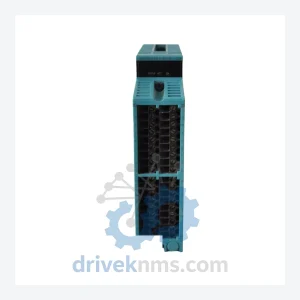
Yokogawa NFDV151-P10 Digital Input Module – Obsolete CENTUM CS 3000 Spare Part
Yokogawa NFDV151-P10 is listed for CENTUM CS RFQ review. Confirm quantity, condition and destination before quotation.
RFQ-ready industrial model
Model: SDV531-L23
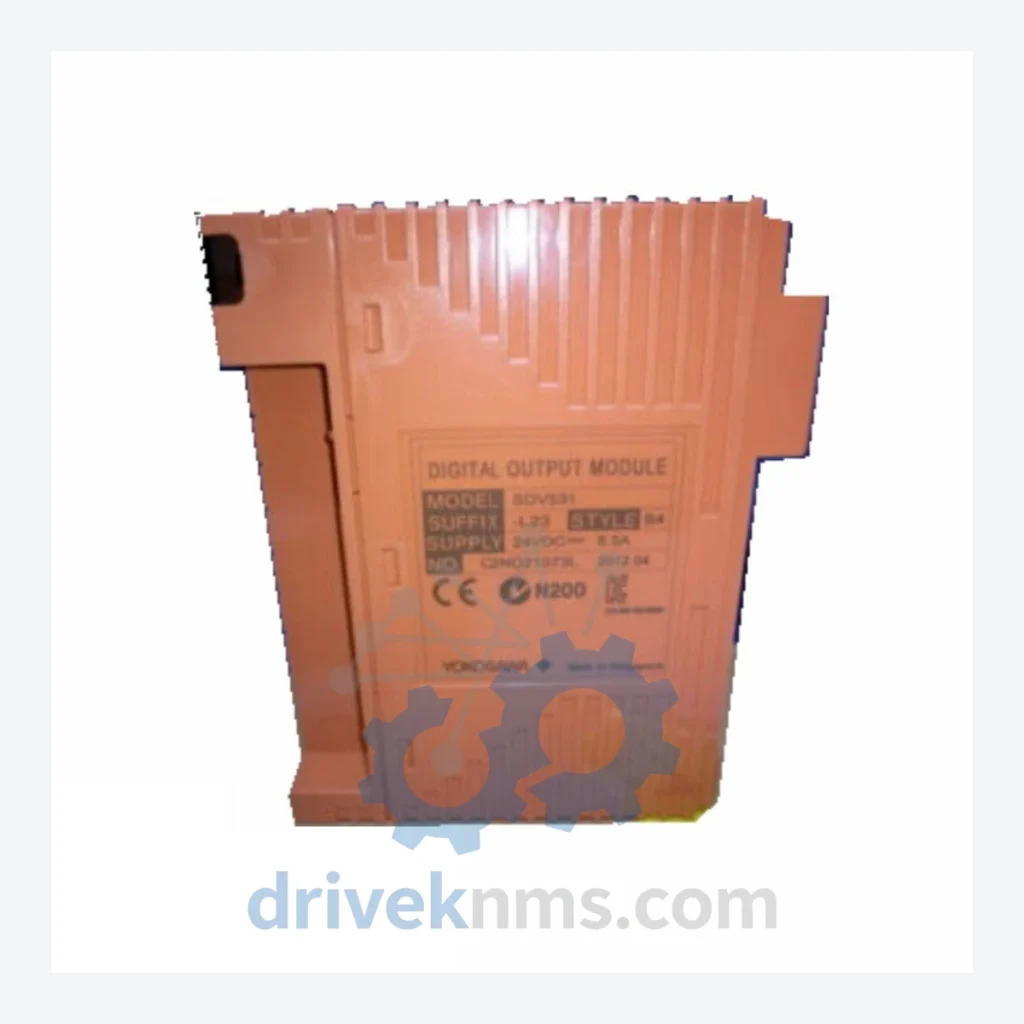
Product Overview
Commercial availability is handled through direct RFQ, model verification and export-oriented follow-up rather than public cart checkout.
Datasheet Preview
Use attached product manuals when available. If the manual is not public yet, request the full file directly through RFQ.
Commercial Path
Product pages on DRIVEKNMS are designed to verify model, brand and series first, then move the buyer into one clean quotation path.
Technical Dossier
RFQ support for obsolete parts: Send the model number, required quantity and destination so DriveKNMS can confirm sourcing options before quotation.
Note: Electrical parameters are not published here to prevent misapplication. Please contact our technical team for full datasheet verification prior to ordering.
The CENTUM CS 3000 platform was deployed extensively across refining, petrochemical, pulp & paper, and power generation facilities throughout the 1990s and 2000s. Many of these installations remain fully operational — and economically justified — well into the 2030s. The control logic, operator interfaces, and field wiring built around these systems represent decades of engineering investment that cannot be replicated cheaply.
The SDV531-L23 sits at the I/O layer of this architecture. It handles digital signal acquisition from field instruments and interlocks. When this module degrades or fails, the affected I/O points go dark. Depending on the process, this can trigger a partial or full unit shutdown. The engineering path to replace it with a modern equivalent requires hardware adapters, software reconfiguration, loop testing, and regulatory re-validation — a process measured in weeks and hundreds of thousands of dollars, not hours.
Sourcing a verified SDV531-L23 replacement eliminates that path entirely. The module slots in, the system recognizes it, and production resumes. This is the core value proposition of maintaining a strategic spare inventory for legacy DCS hardware: you are not buying a module, you are buying operational continuity and deferring a capital expenditure that your budget cycle is not prepared for.
For plant managers and reliability engineers operating under asset-life-extension mandates, the calculus is straightforward. A single SDV531-L23 spare, properly stored, can protect a production asset worth tens of millions of dollars for another 5–10 years. The cost of the spare is a rounding error against the cost of an unplanned outage or a forced migration.
Obsolete parts sourced from the open market carry real risk. DriveKNMS applies a structured 5-step QA protocol to every SDV531-L23 unit before it ships:
Q: How are RFQ terms confirmed?
A: Quantity, required condition, documentation needs, destination and sourcing route are confirmed during RFQ review before quotation.
Continue The Model Path
Move from this exact model into the matching system hub, brand archive, model-family archive or lifecycle sourcing route before sending a final RFQ list.
Related Paths
Yokogawa NFDV151-P10 is listed for CENTUM CS RFQ review. Confirm quantity, condition and destination before quotation.
Yokogawa CP471-00 S1 is listed for CENTUM CS RFQ review. Confirm quantity, condition and destination before quotation.
Yokogawa ADV551-P60 S2 is listed for CENTUM CS RFQ review. Confirm quantity, condition and destination before quotation.