
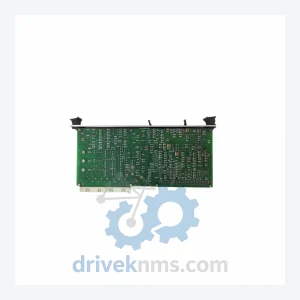
Yokogawa K9634DA-01 TCD Card Modules
Yokogawa K9634DA-01 is listed for Servo Drives RFQ review. Confirm quantity, condition and destination before quotation.
RFQ-ready industrial model
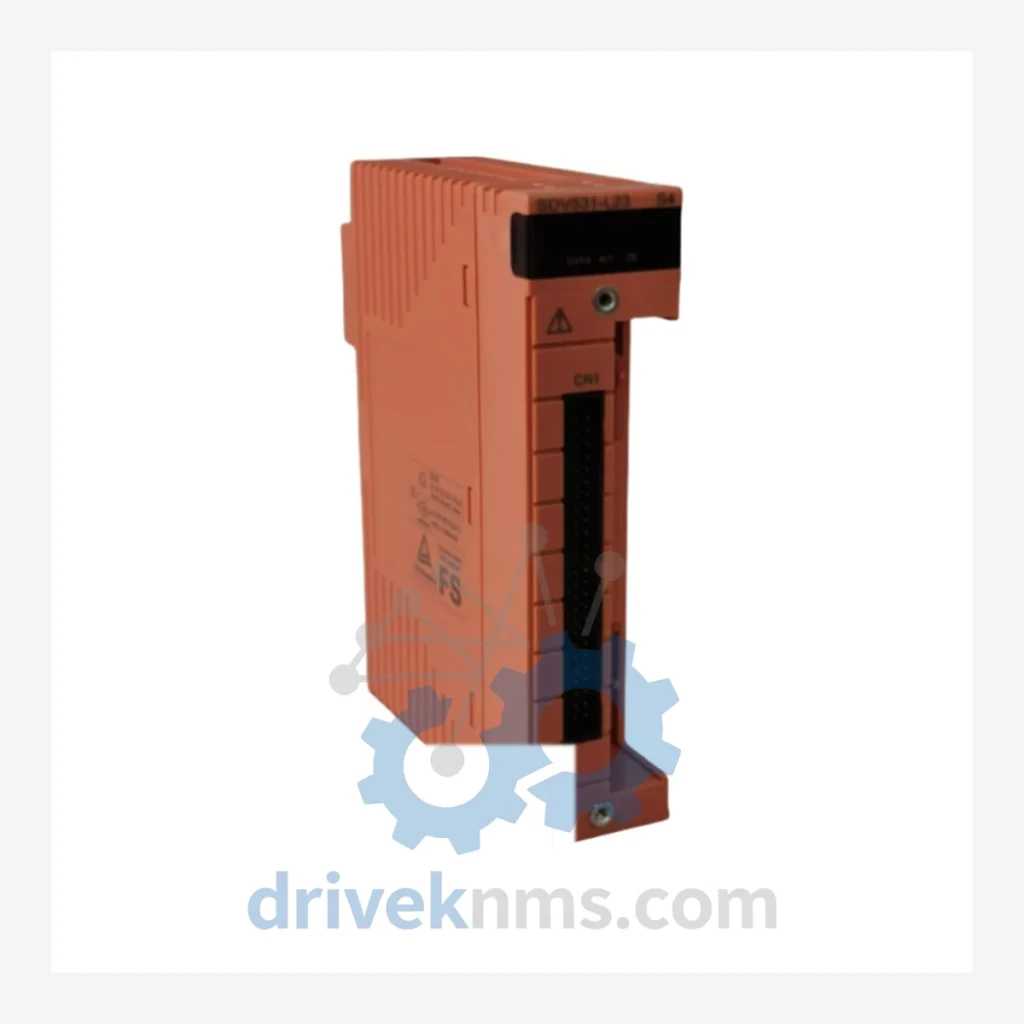
Model: SDV531-L53
Product Overview
Commercial availability is handled through direct RFQ, model verification and export-oriented follow-up rather than public cart checkout.
Datasheet Preview
Use attached product manuals when available. If the manual is not public yet, request the full file directly through RFQ.
Commercial Path
Product pages on DRIVEKNMS are designed to verify model, brand and series first, then move the buyer into one clean quotation path.
Technical Dossier
RFQ support for obsolete parts: Send the model number, required quantity and destination so DriveKNMS can confirm sourcing options before quotation.
| Manufacturer | Yokogawa Electric Corporation |
| Part Number | SDV531-L53 |
| Product Series | CENTUM (SDV500 Series) |
| Product Type | Digital Valve Positioner |
| Communication Protocol | BRAIN / HART (model-dependent) |
| Country of Origin | Japan |
| Discontinuation Status | Obsolete – No longer in production. Replacement parts sourced from certified secondary market inventory. |
| Compatible Systems | Yokogawa CENTUM CS, CENTUM CS 3000, CENTUM V, FIELDMATE-compatible loops |
Note: Electrical parameters such as supply voltage range, input signal, and output air pressure are configuration-specific. Confirmed specifications are provided upon request with reference to the original engineering documentation.
The SDV531-L53 was engineered for integration within Yokogawa's CENTUM distributed control architecture — a platform that remains operational in refineries, chemical plants, and power generation facilities across Asia, the Middle East, and Eastern Europe. These systems were designed for 20–30 year operational lifespans, and many are now well into that window.
The core problem facing plant managers is not the positioner itself — it is the interdependency. Replacing the SDV531-L53 with a current-generation positioner often requires reconfiguration of the associated FCS (Field Control Station), re-engineering of the HART communication mapping, and in some cases, firmware updates to the I/O modules. Each of these steps introduces risk, requires certified instrumentation engineers, and pulls resources away from production.
The lower-cost, lower-risk path is direct replacement with an identical unit. A verified SDV531-L53 restores the valve loop to its original validated state without touching the control system architecture. For plants managing 10, 20, or 50 of these positioners across a facility, maintaining a strategic spare inventory is not optional — it is the difference between a planned maintenance event and an unplanned shutdown.
How to extend your automation asset life by 5–10 years with targeted spare part strategy:
Obsolete instrumentation sourced from secondary markets carries inherent risk if not properly evaluated. DriveKNMS applies a structured 5-step inspection protocol to all SDV531-L53 units before they are offered for sale:
Condition grades (New, Refurbished-Tested, Surplus-Untested) are clearly stated in each quotation. No unit is represented as a condition it has not been verified to meet.
Q: How do I confirm the unit is genuine Yokogawa and not a counterfeit?
A: All units are inspected for authentic Yokogawa labeling, serial number format consistency, and PCB markings consistent with known genuine assemblies. We provide photographic documentation of the unit prior to shipment upon request.
Q: Should I buy multiple units as long-term spares?
A: For any obsolete component in a critical control loop, holding a minimum of one spare is standard practice. For facilities with multiple installed units, we recommend a tiered spare strategy: one immediate-use spare plus one long-term storage spare per critical loop. We can advise on storage conditions to maximize shelf life.
Continue The Model Path
Move from this exact model into the matching system hub, brand archive, model-family archive or lifecycle sourcing route before sending a final RFQ list.
Related Paths
Yokogawa K9634DA-01 is listed for Servo Drives RFQ review. Confirm quantity, condition and destination before quotation.
Yokogawa UT350 UT350-01 is listed for Servo Drives RFQ review. Confirm quantity, condition and destination before quotation.
Yokogawa NFDR541-P00 S2 is listed for Servo Drives RFQ review. Confirm quantity, condition and destination before quotation.