
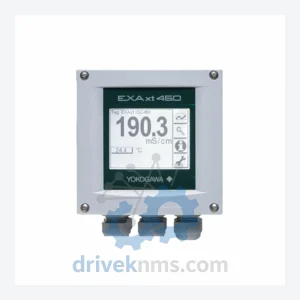
Yokogawa SC450G-A-A
Yokogawa SC450G-A-A is listed for Monitoring Systems RFQ review. Confirm quantity, condition and destination before quotation.
RFQ-ready industrial model
Model: SED4D
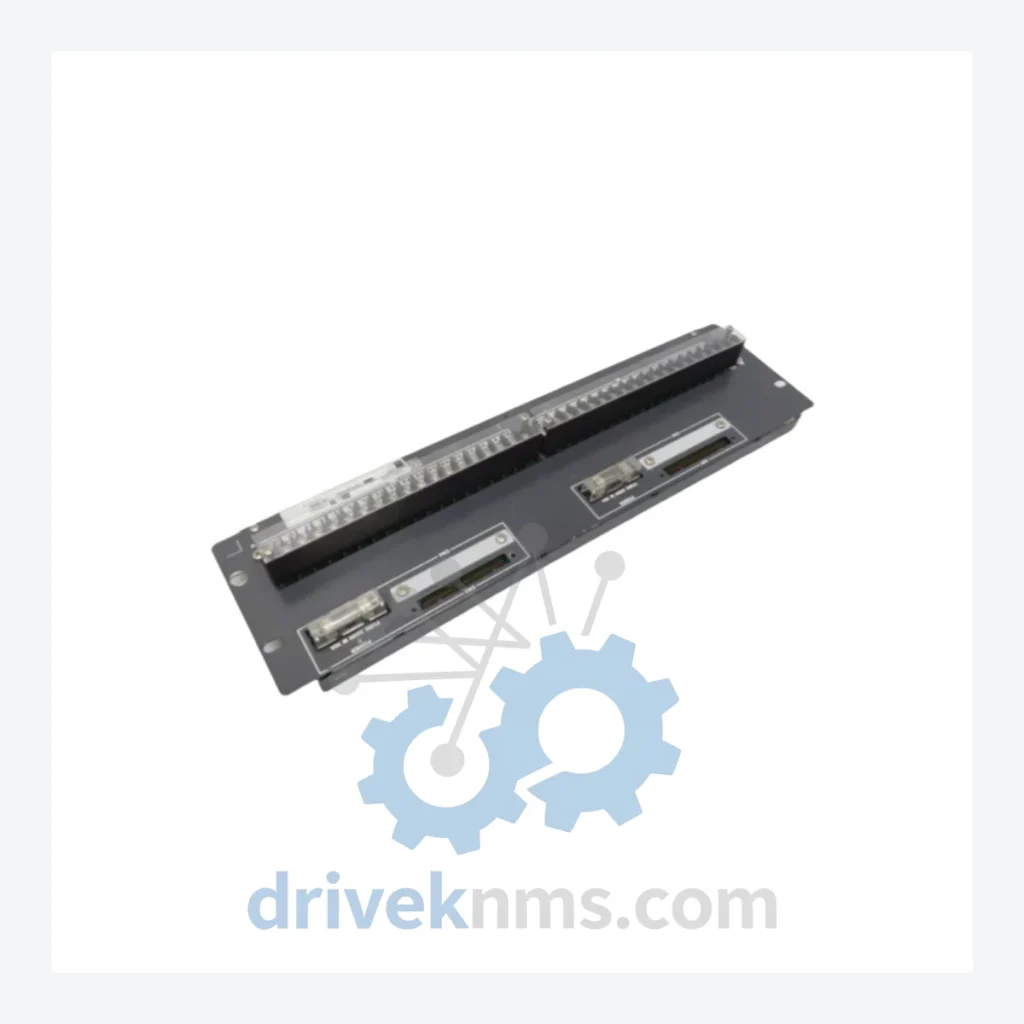
Product Overview
Commercial availability is handled through direct RFQ, model verification and export-oriented follow-up rather than public cart checkout.
Datasheet Preview
Use attached product manuals when available. If the manual is not public yet, request the full file directly through RFQ.
Commercial Path
Product pages on DRIVEKNMS are designed to verify model, brand and series first, then move the buyer into one clean quotation path.
Technical Dossier
The Yokogawa SEB series output modules are core field I/O components of the CENTUM CS/CS3000/VP Distributed Control System (DCS) platform — one of the most widely deployed process automation architectures in global heavy industry. Installed across petrochemical complexes, LNG terminals, nuclear power facilities, crude oil refineries, and large-scale chemical plants, the SEB series provides the analog and digital output interface layer between the CENTUM field control station (FCS) and final control elements such as control valves, positioners, and motor drives. The SED4D specifically is a 4-channel digital output module designed for discrete field device control within the CENTUM node bus architecture.
The SEB series has accumulated decades of field hours in mission-critical environments where module replacement cycles are measured in years, not months. As a result, maintaining a reliable spare parts inventory for this series — including discontinued variants — is a standard requirement for plant integrity management programs worldwide.
The SEB module family was introduced as part of Yokogawa's CENTUM CS platform in the early 1990s, establishing a node bus-based I/O architecture that separated field signal conditioning from the main control processor. This design allowed modular expansion and hot-swap capability within the field control station enclosure.
With the transition to CENTUM CS3000 (released 1998), the SEB series was carried forward with backward-compatible backplane pinouts, enabling direct module substitution in existing installations. The subsequent CENTUM VP platform (released 2008) introduced the AFV series as the next-generation I/O family, but SEB modules retained full compatibility in legacy node configurations via the ESB bus interface. This multi-generation compatibility is a defining characteristic of the SEB series and explains its continued operational presence in plants that have undergone partial DCS upgrades rather than full platform migrations.
The following SKUs represent verified, commonly encountered modules within the Yokogawa CENTUM SEB/SED/SEA/SEC/SEE series I/O family. Modules are grouped by functional category.
Digital Output Modules
Digital Input Modules
Analog Output Modules
Analog Input Modules
Communication & Interface Modules
SEB series modules present specific test challenges due to their integrated backplane bus interface and node bus communication protocol. DriveKNMS applies the following verification procedures to all SEB series units prior to dispatch:
Continue The Model Path
Move from this exact model into the matching system hub, brand archive, model-family archive or lifecycle sourcing route before sending a final RFQ list.
Related Paths
Yokogawa SC450G-A-A is listed for Monitoring Systems RFQ review. Confirm quantity, condition and destination before quotation.
Yokogawa SC4AJ-S-AD-09 is listed for SC4AJ Series Conductivity RFQ review. Confirm quantity, condition and destination before quotation.
Yokogawa SDV541-S23 S3 is listed for SDV500 Series Output RFQ review. Confirm quantity, condition and destination before quotation.