
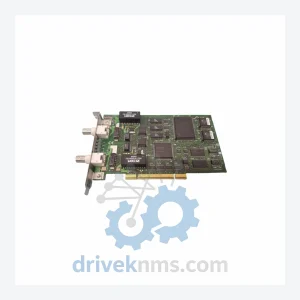
Yokogawa VF701 Series Modules VF701 S3 / VF701 S1 Communication Card
Yokogawa VF701 S3/VF701 S1 is listed for VF701 Series RFQ review. Confirm quantity, condition and destination before quotation.
RFQ-ready industrial model
Model: SNT401-53 S1
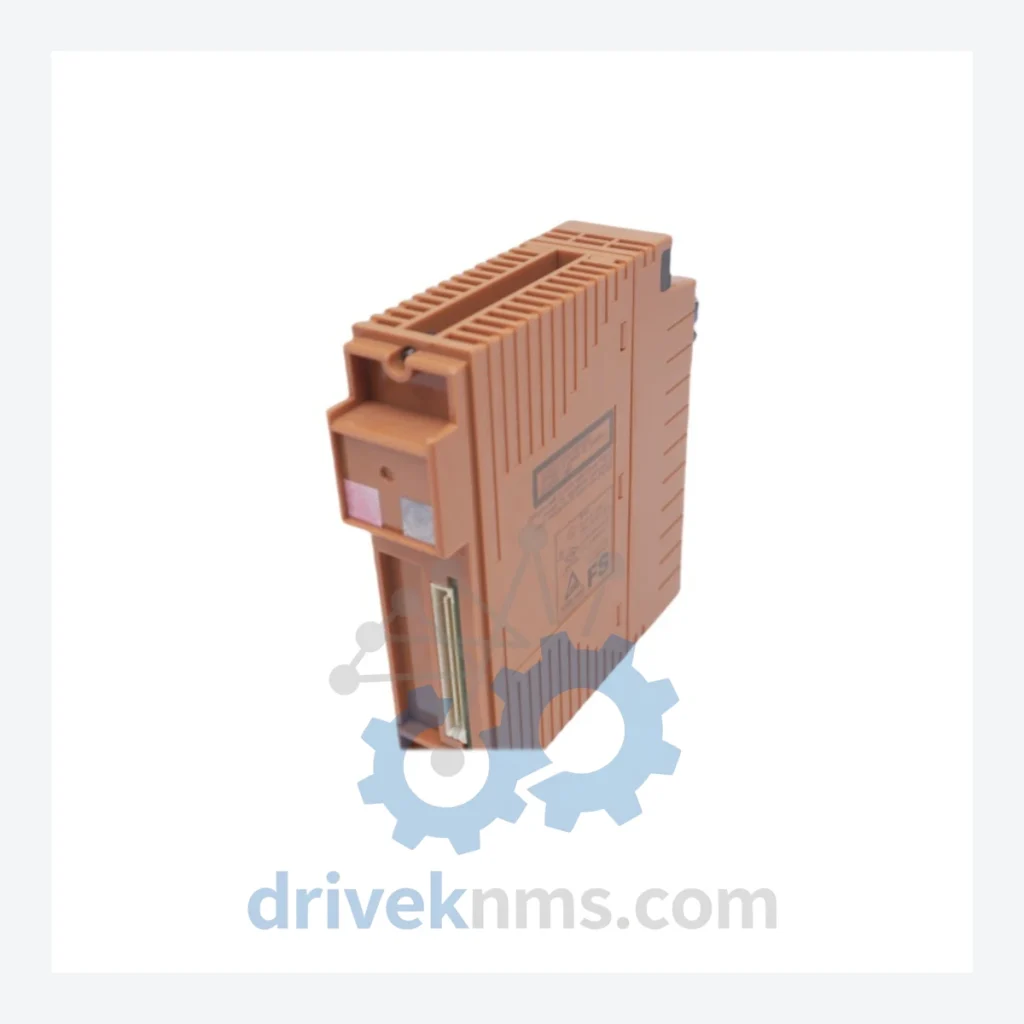
Product Overview
Commercial availability is handled through direct RFQ, model verification and export-oriented follow-up rather than public cart checkout.
Datasheet Preview
Use attached product manuals when available. If the manual is not public yet, request the full file directly through RFQ.
Commercial Path
Product pages on DRIVEKNMS are designed to verify model, brand and series first, then move the buyer into one clean quotation path.
Technical Dossier
The harder reality: Yokogawa has discontinued the SNT401-53 S1. New units are no longer manufactured. Migrating away from a CENTUM CS or CS 3000 platform to a current-generation CENTUM VP system is a multi-year engineering project with capital expenditure typically ranging from several hundred thousand to several million USD, depending on plant scale. For most plant operators, that migration is not a near-term option.
DriveKNMS reviews sourcing options for this model through RFQ handling before quotation.
| Manufacturer | Yokogawa Electric Corporation |
| Part Number | SNT401-53 S1 |
| Category | Network Interface Module |
| Compatible Platform | Yokogawa CENTUM CS, CENTUM CS 3000 |
| Country of Origin | Japan |
| Product Status | Discontinued / Obsolete |
| Condition Available | New surplus / Refurbished (inspected) |
Note: Electrical parameters not listed here to prevent inaccurate data. Refer to Yokogawa CENTUM CS 3000 hardware documentation or contact us for verified datasheet support.
The SNT401-53 S1 is not a peripheral accessory — it is a structural component of the CENTUM CS communication architecture. In these systems, the network interface module manages data exchange between the field control stations (FCS) and the human interface stations (HIS) over the V-net or Ethernet-based control bus. Without a functioning SNT401-53 S1, operator visibility into field conditions is lost, and automated control loops cannot execute reliably.
Yokogawa's CENTUM CS and CS 3000 platforms were installed extensively across Asia-Pacific, the Middle East, and Europe throughout the 1990s and 2000s. Many of these installations remain operational today, running processes where the cost and risk of a full DCS migration outweigh the benefits of modernization on any near-term timeline. The installed base is large; the available spare parts pool is shrinking every year.
How to extend your CENTUM CS or CS 3000 asset life by 5 to 10 years — without a full migration:
Every SNT401-53 S1 unit shipped by DriveKNMS passes a five-stage inspection protocol before it leaves our facility. This process is designed specifically for legacy industrial hardware, where age-related degradation — not just functional failure — determines whether a module is fit for service.
Units that pass all five stages are packaged in anti-static materials with desiccant and shipped with a condition report. Units that do not pass are not sold.
Q: How do I know the unit is new surplus or a quality refurbish — not a failed unit being resold?
A: Every unit shipped by DriveKNMS is accompanied by a condition report documenting the five-stage inspection results. We do not sell units that fail any stage of our inspection protocol. If a unit cannot be verified, it is not listed for sale.
Continue The Model Path
Move from this exact model into the matching system hub, brand archive, model-family archive or lifecycle sourcing route before sending a final RFQ list.
Related Paths
Yokogawa VF701 S3/VF701 S1 is listed for VF701 Series RFQ review. Confirm quantity, condition and destination before quotation.
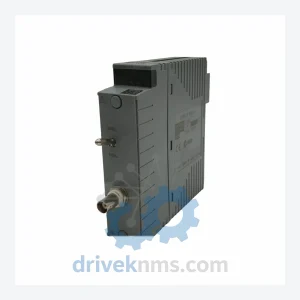
Yokogawa VC401-10 is listed for Communication Modules RFQ review. Confirm quantity, condition and destination before quotation.
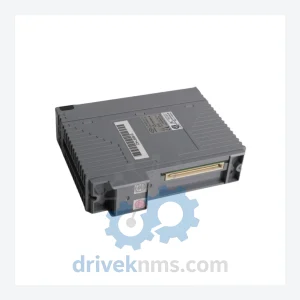
Yokogawa AAP135-S03 is listed for Communication Modules RFQ review. Confirm quantity, condition and destination before quotation.