
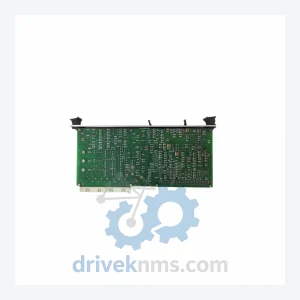
Yokogawa K9634DA-01 TCD Card Modules
Yokogawa K9634DA-01 is listed for Servo Drives RFQ review. Confirm quantity, condition and destination before quotation.
RFQ-ready industrial model
Model: SNT401-E3
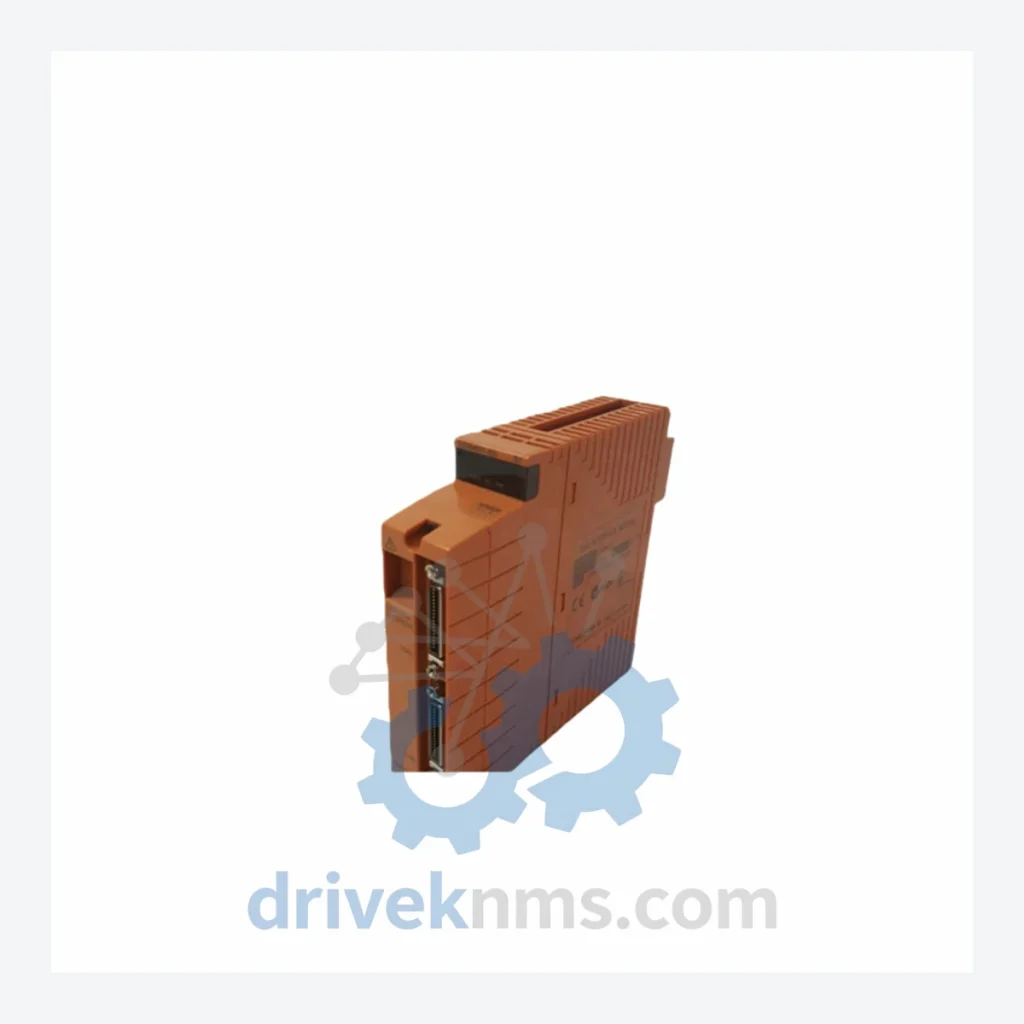
Product Overview
Commercial availability is handled through direct RFQ, model verification and export-oriented follow-up rather than public cart checkout.
Datasheet Preview
Use attached product manuals when available. If the manual is not public yet, request the full file directly through RFQ.
Commercial Path
Product pages on DRIVEKNMS are designed to verify model, brand and series first, then move the buyer into one clean quotation path.
Technical Dossier
RFQ support for obsolete parts: Send the model number, required quantity and destination so DriveKNMS can confirm sourcing options before quotation.
| Parameter | Detail |
|---|---|
| Part Number | SNT401-E3 |
| Manufacturer | Yokogawa Electric Corporation |
| Series | CENTUM (CS/CS3000 compatible) |
| Function | Bus Repeater – Slave Module |
| Country of Origin | Japan |
| Discontinuation Status | Confirmed Obsolete – No longer in Yokogawa active production |
| Typical System Compatibility | Yokogawa CENTUM CS, CENTUM CS 3000 DCS platforms |
Note: Electrical parameters not listed here are not confirmed from verified datasheets. DriveKNMS does not publish unverified specifications. Contact us for full technical documentation review prior to purchase.
The Yokogawa CENTUM CS and CS 3000 platforms remain operational in refineries, chemical plants, and power generation facilities across Asia, the Middle East, and Eastern Europe. Many of these installations were commissioned in the 1990s and early 2000s and represent capital investments that cannot be written off on a short timeline. The SNT401-E3 bus repeater slave module is a structural component of the field bus communication architecture in these systems. It is not a peripheral accessory — it is the signal relay that keeps field devices talking to the controller.
Yokogawa's official end-of-life policy for CENTUM CS hardware means that replacement parts are no longer available through standard distribution channels. Plant engineers who have managed these systems for years understand the risk: a single unplanned failure of this module, with no spare on hand, can trigger a forced migration decision under the worst possible conditions — during production, under budget pressure, with no engineering preparation time.
DriveKNMS specializes in sourcing exactly these components — parts that are no longer available through OEM channels but remain essential to the continued operation of installed base systems. Our procurement network covers decommissioned plant inventories, authorized refurbishers, and verified secondary market sources across multiple continents.
Every SNT401-E3 unit that leaves our facility has passed a structured 5-step quality verification process developed specifically for obsolete industrial control hardware:
How do I know the unit is genuine and not counterfeit?
All units are sourced from traceable channels — decommissioned plant inventories, authorized secondary distributors, and verified refurbishers. We provide documentation of source origin upon request. Physical markings, PCB revision codes, and component dates are cross-referenced against known genuine units before acceptance into inventory.
Can you source other Yokogawa CENTUM obsolete parts?
Yes. DriveKNMS maintains an active procurement network for Yokogawa CENTUM CS, CS 3000, and related legacy hardware. Contact us with your full bill of materials for a sourcing assessment.
Continue The Model Path
Move from this exact model into the matching system hub, brand archive, model-family archive or lifecycle sourcing route before sending a final RFQ list.
Related Paths
Yokogawa K9634DA-01 is listed for Servo Drives RFQ review. Confirm quantity, condition and destination before quotation.
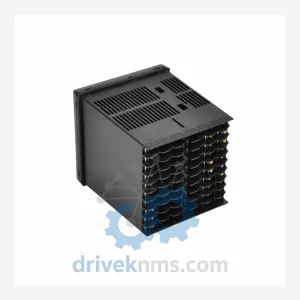
Yokogawa UT350 UT350-01 is listed for Servo Drives RFQ review. Confirm quantity, condition and destination before quotation.
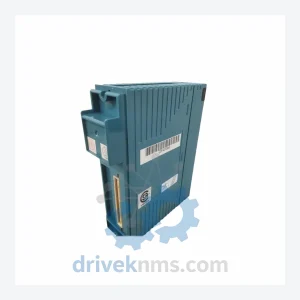
Yokogawa NFDR541-P00 S2 is listed for Servo Drives RFQ review. Confirm quantity, condition and destination before quotation.