
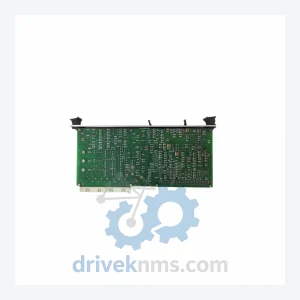
Yokogawa K9634DA-01 TCD Card Modules
Yokogawa K9634DA-01 is listed for Servo Drives RFQ review. Confirm quantity, condition and destination before quotation.
RFQ-ready industrial model
Model: SNT411-5F
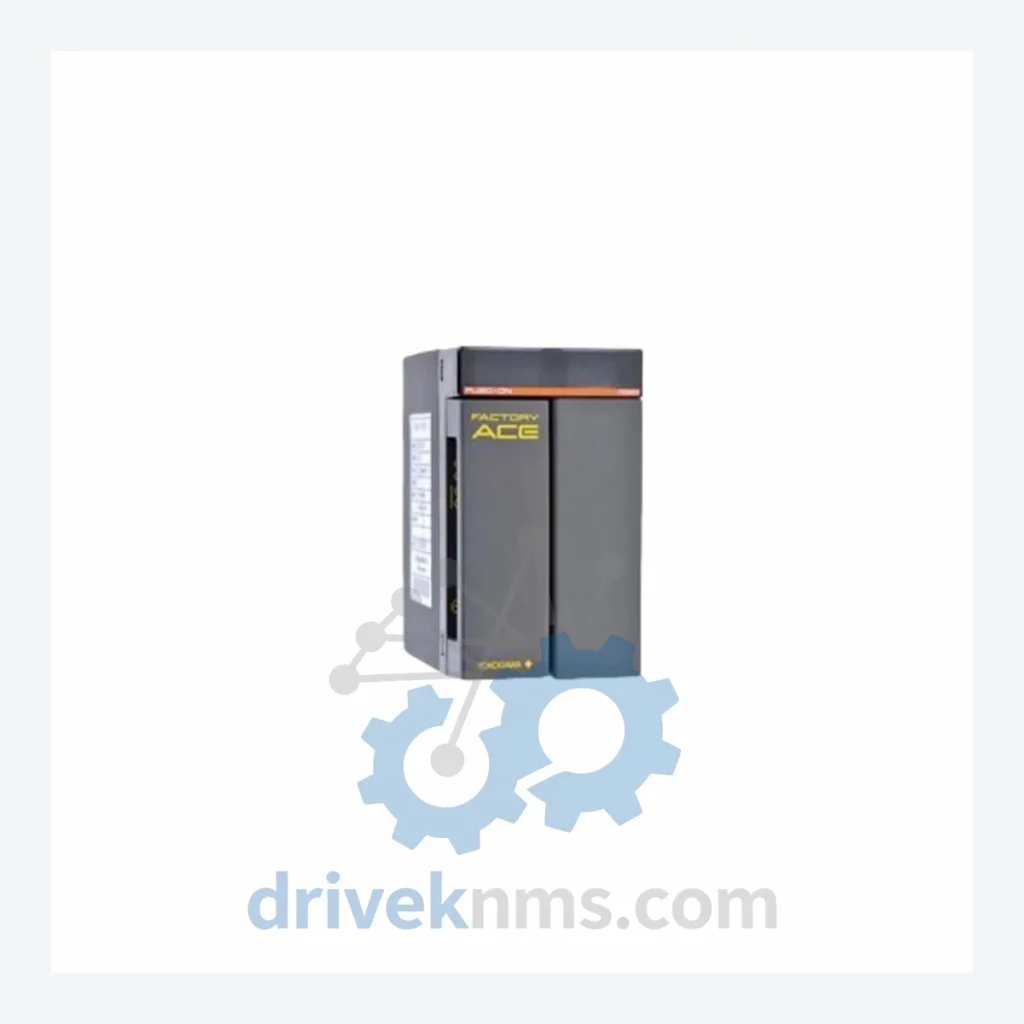
Product Overview
Commercial availability is handled through direct RFQ, model verification and export-oriented follow-up rather than public cart checkout.
Datasheet Preview
Use attached product manuals when available. If the manual is not public yet, request the full file directly through RFQ.
Commercial Path
Product pages on DRIVEKNMS are designed to verify model, brand and series first, then move the buyer into one clean quotation path.
Technical Dossier
When a bus repeater module fails in a legacy Yokogawa CENTUM distributed control system, the consequences extend far beyond a single line stoppage. The SNT411-5F sits at the communication backbone of the control architecture. Its failure severs the data path between field devices and the central controller, triggering a cascade that can halt an entire production unit. For facilities running continuous processes — refining, petrochemical, power generation — an unplanned shutdown measured in hours can translate directly into millions of dollars in lost output, emergency contractor fees, and regulatory exposure.
The alternative that plant managers are increasingly pressured to accept is a full DCS migration. Conservative estimates for a CENTUM-to-modern-platform migration — including engineering, FAT/SAT, loop re-commissioning, and operator retraining — routinely exceed USD 2–5 million per unit, with project timelines stretching 18 to 36 months. During that window, the facility operates under elevated risk.
DriveKNMS reviews sourcing options for this model through RFQ handling before quotation.
RFQ support for obsolete parts: Send the model number, required quantity and destination so DriveKNMS can confirm sourcing options before quotation.
Note: Electrical parameters (voltage ratings, bus speed, connector pinout) are not published here to prevent misapplication. Please provide your system configuration when enquiring so our engineers can confirm compatibility.
The Yokogawa CENTUM platform — particularly CENTUM-XL and CENTUM CS variants — was deployed extensively across Asian and Middle Eastern process industries through the 1990s and early 2000s. Many of these installations remain in active production service today, supported by maintenance teams who understand the system intimately and have no operational justification to migrate.
The SNT411-5F bus repeater is not a peripheral accessory. It is the signal conditioning and regeneration point for the field bus, maintaining communication integrity across long cable runs and multiple field device clusters. In aging installations, bus repeater failures are among the most disruptive single-point failures a maintenance team can face — the fault is often misdiagnosed initially as a field device issue, consuming hours of troubleshooting time before the repeater is identified as the root cause.
DriveKNMS applies a structured 5-step qualification process to all obsolete modules before they are offered for sale. This process is designed specifically for the failure modes common to hardware that has been in storage or field service for extended periods.
Step 1 – Visual and Mechanical Inspection: Full board inspection for physical damage, connector deformation, and evidence of prior repair or rework.
Step 2 – Electrolytic Capacitor Assessment: Aging electrolytic capacitors are the primary failure mechanism in stored industrial electronics. Each unit is assessed for capacitor condition; units showing ESR drift or physical swelling are rejected.
Step 3 – Pin and Connector Integrity Check: Backplane connector pins are inspected under magnification for oxidation, corrosion, and mechanical deformation. Contact surfaces are cleaned and verified.
Step 4 – Firmware and Label Verification: Where applicable, firmware revision markings are cross-referenced against known CENTUM system compatibility matrices to confirm the unit will operate correctly in the target system revision.
Step 5 – Functional Bench Test: Units are powered and tested for basic operational response before dispatch.
Units that do not pass all five steps are not offered for sale. Condition grade is disclosed transparently in the quotation.
The SNT411-5F is a direct hardware replacement for the same part number within the CENTUM architecture. There is no firmware re-flashing, no re-engineering of the control loop, and no modification to the system configuration database required. The module seats into the existing backplane slot and the system recognizes it without intervention.
This drop-in replacement characteristic is the critical distinction between sourcing a genuine SNT411-5F and attempting a cross-brand substitution. Third-party substitutes require engineering validation, system integrator involvement, and in many cases a formal management of change (MOC) process — costs that can exceed the value of the spare itself. A genuine SNT411-5F eliminates all of that overhead and returns the line to service in the shortest possible time.
For plant engineering teams managing aging CENTUM assets, the recommended strategy is to maintain a minimum of two SNT411-5F units in the critical spare inventory at all times. Given the sourcing difficulty of this part, a single spare provides no buffer against a second failure during the replenishment cycle.
Q: How do I know the unit is genuine Yokogawa and not a counterfeit?
A: All units are inspected for authentic Yokogawa markings, board construction, and component sourcing consistent with genuine hardware. We do not source from unverified brokers. Provenance documentation is provided where available.
Continue The Model Path
Move from this exact model into the matching system hub, brand archive, model-family archive or lifecycle sourcing route before sending a final RFQ list.
Related Paths
Yokogawa K9634DA-01 is listed for Servo Drives RFQ review. Confirm quantity, condition and destination before quotation.
Yokogawa UT350 UT350-01 is listed for Servo Drives RFQ review. Confirm quantity, condition and destination before quotation.
Yokogawa NFDR541-P00 S2 is listed for Servo Drives RFQ review. Confirm quantity, condition and destination before quotation.