
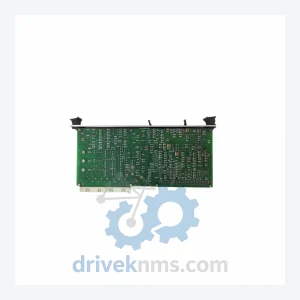
Yokogawa K9634DA-01 TCD Card Modules
Yokogawa K9634DA-01 is listed for Servo Drives RFQ review. Confirm quantity, condition and destination before quotation.
RFQ-ready industrial model
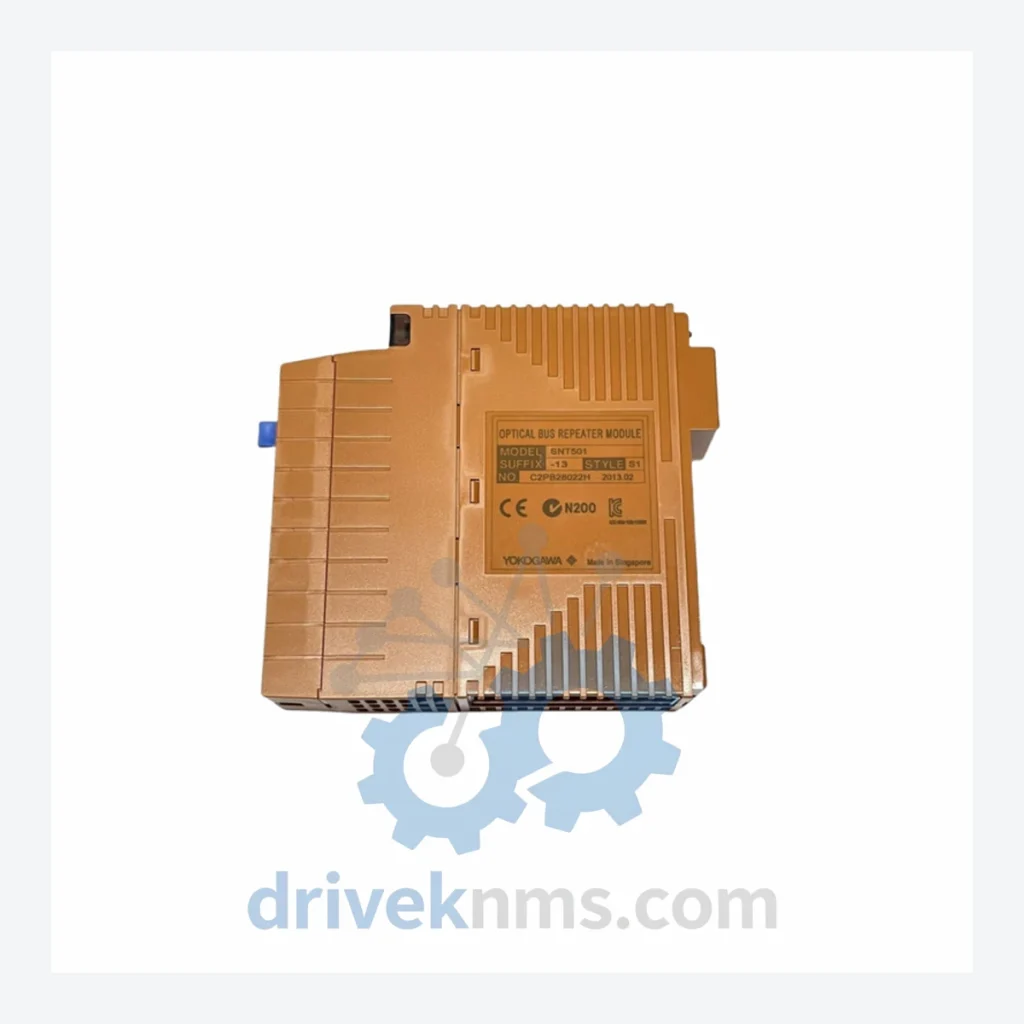
Model: SNT521-53
Product Overview
Commercial availability is handled through direct RFQ, model verification and export-oriented follow-up rather than public cart checkout.
Datasheet Preview
Use attached product manuals when available. If the manual is not public yet, request the full file directly through RFQ.
Commercial Path
Product pages on DRIVEKNMS are designed to verify model, brand and series first, then move the buyer into one clean quotation path.
Technical Dossier
RFQ support for obsolete parts: Send the model number, required quantity and destination so DriveKNMS can confirm sourcing options before quotation.
| Parameter | Detail |
|---|---|
| Manufacturer | Yokogawa Electric Corporation |
| Part Number | SNT521-53 |
| Product Series | CENTUM (SNT5xx Bus Repeater Series) |
| Function | Bus Repeater Slave Module – extends and repeats the field bus signal between CENTUM control stations |
| Country of Origin | Japan |
| Discontinuation Status | Discontinued / Obsolete – no longer manufactured or supported by Yokogawa |
| Compatible Systems | Yokogawa CENTUM CS, CENTUM CS 1000, CENTUM CS 3000 (legacy configurations) |
| Note on Parameters | Detailed electrical parameters vary by revision. Contact DriveKNMS with your system revision for confirmation prior to order. |
The Yokogawa CENTUM platform represents one of the most widely deployed DCS architectures in process industries across Asia, the Middle East, and Europe. The SNT521-53 Bus Repeater Slave Module sits at a critical junction in the field bus topology: it regenerates and retransmits bus signals between control stations, maintaining communication integrity across the entire distributed network. Without it, entire segments of the control loop go silent.
Yokogawa ceased production of the SNT5xx series as the CENTUM platform transitioned toward CENTUM VP. However, tens of thousands of legacy CENTUM CS and CS 3000 installations remain in active service. For these facilities, the SNT521-53 is not a commodity item — it is a load-bearing component of a control architecture that cannot be partially upgraded without triggering a full system recertification.
How to extend your CENTUM system life by 5–10 years through strategic spare parts management:
Every SNT521-53 unit supplied by DriveKNMS passes a structured 5-step quality assurance process before dispatch review. This process is designed specifically for discontinued industrial hardware, where the risks of latent component degradation are materially higher than for current-production parts.
Should I purchase more than one unit?
For a discontinued module with no current-production equivalent, holding a minimum of two units is the standard recommendation for any facility running continuous or safety-critical processes. The cost of a second unit is negligible relative to the cost of an unplanned outage while sourcing a replacement on the open market.
Can DriveKNMS source other discontinued Yokogawa CENTUM components?
Yes. DriveKNMS specializes in obsolete and hard-to-find industrial automation components across multiple platforms. Contact us with your full bill of materials for legacy system support.
Continue The Model Path
Move from this exact model into the matching system hub, brand archive, model-family archive or lifecycle sourcing route before sending a final RFQ list.
Related Paths
Yokogawa K9634DA-01 is listed for Servo Drives RFQ review. Confirm quantity, condition and destination before quotation.
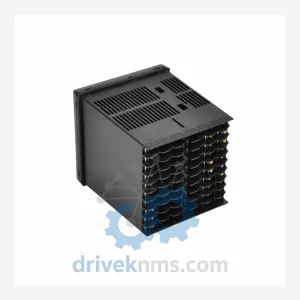
Yokogawa UT350 UT350-01 is listed for Servo Drives RFQ review. Confirm quantity, condition and destination before quotation.
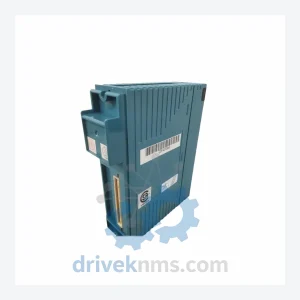
Yokogawa NFDR541-P00 S2 is listed for Servo Drives RFQ review. Confirm quantity, condition and destination before quotation.