For over two decades, the name ICS Triplex has been synonymous with the “Gold Standard” of Triple Modular Redundancy (TMR). Whether it’s the Trusted or AADvance platforms, these systems have provided the ultimate safety net for high-hazard environments—from offshore oil platforms to critical chemical reactors. However, as we cross the mid-point of 2026, the landscape of process safety support has shifted dramatically, leaving many facility managers in a precarious position.
The headline event of 2026 for safety instrumented system (SIS) users was the orderly dissolution of Sensia—the joint venture between Rockwell Automation and SLB—effective April 1, 2026. For years, Sensia was the primary vehicle for legacy ICS Triplex support. Its dissolution has triggered a ripple effect throughout the industry, leading to what many are calling the “Safety System Support Void.” When you combine this organizational shift with the latest 2026 CISA advisories, the message is clear: the era of relying solely on OEM-managed legacy support is over. Resilience now requires a proactive hardware strategy.
The TMR Paradox: When ‘Trusted’ Hardware Faces New Risks
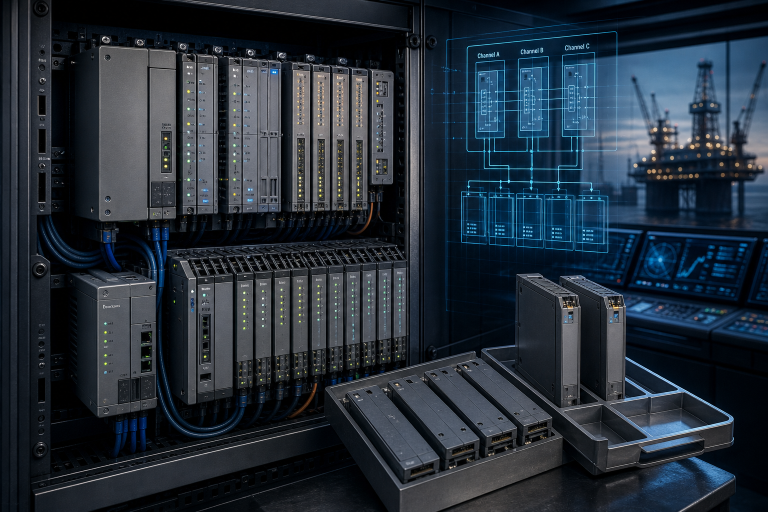
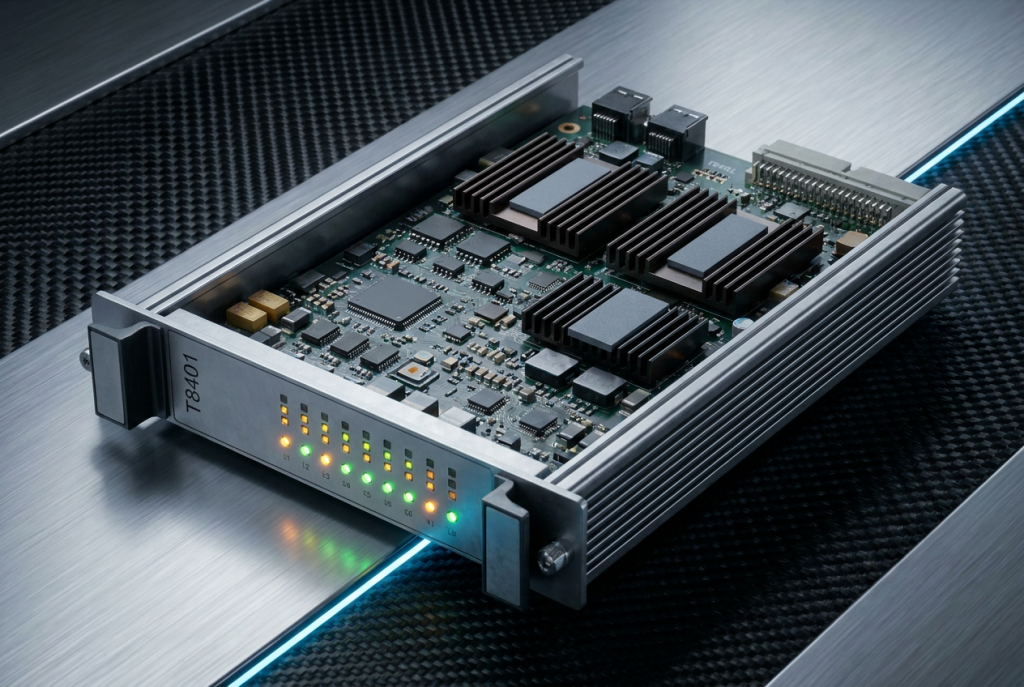
The core value of a TMR system like the Rockwell ICS Triplex Trusted is its ability to remain operational even if a single component fails. It is designed to be “Trusted” by its very architecture. But in 2026, we are facing a new kind of paradox. The hardware itself—the T8401 processors, the T8431 digital input modules, and the T8451 analog output cards—is becoming so scarce that the “redundancy” is being compromised by a lack of spares.
We are seeing reports from the APAC region (May 2026) indicating that lead times for critical Allen Bradley and Rockwell safety components have ballooned to 26 weeks or more. For a plant running an older ICS Triplex system, a 26-week lead time is effectively a death sentence for uptime if a primary controller fails and the hot-standby is already in a fault state. This is why many engineers are now looking toward audited, third-party inventories to secure their PLC and DCS modules before the next outage occurs.
CISA ICSA-26-141-01: The 2026 Security Audit
The cybersecurity landscape for safety systems has also intensified. In May 2026, CISA released Advisory ICSA-26-141-01, specifically addressing vulnerabilities in the communication protocols used by legacy Trusted and AADvance systems. While these systems are often air-gapped, the advisory highlights that “air-gapping is not a panacea” in an era of sophisticated lateral movement by threat actors.
The audit suggests that many legacy ICS Triplex systems are running on outdated firmware that cannot be easily patched without a significant hardware overhaul. This creates a “Forced Migration” trap: the OEM may suggest that the only way to stay secure is to rip and replace the entire system with a modern plant-wide architecture. For most facilities, this is a multi-million dollar capital expenditure that isn’t in the budget for 2026. The alternative is to harden the existing system using a “Hardware Sovereignty” approach—maintaining a robust stock of identical hardware to ensure that if a card is compromised or fails, it can be replaced with a known, audited unit immediately.
Bridging the Scarcity Gap: A Practical Guide
As a consultant with two decades in the trenches of SIS maintenance, my advice to procurement managers in 2026 is simple: do not wait for the OEM to tell you a part is “obsolete.” By the time they send that letter, the secondary market price will have tripled, and the lead times will be indefinite. You need to act while these brand and model specific spare parts are still accessible.
Resilience in 2026 means moving beyond “just-in-time” procurement. It means building a “Strategic Safety Reserve.” This reserve should include at least two of every critical module in your rack—especially the T8401 processors and the T8110B power supply units. The Sensia dissolution means that the traditional “Support Contract” may no longer guarantee a 24-hour part arrival. You are now the master of your own uptime.
The 2026 Safety System Audit Checklist:
- Support Status: Have you verified who will provide technical support for your AADvance/Trusted system post-Sensia?
- Spares Audit: Do you have 200% redundancy for your most critical TMR modules on-site?
- Firmware Review: Have you cross-referenced your current firmware versions with the ICSA-26-141-01 advisory?
- Supply Chain Diversity: Have you identified a non-OEM partner capable of supplying audited legacy Rockwell hardware?
Conclusion: Expertise is Your Best Defense
The challenges of 2026—organizational shifts, security vulnerabilities, and component scarcity—are significant, but they are not insurmountable. The engineers who will successfully navigate this period are those who recognize that “Legacy” doesn’t mean “Obsolete.” It simply means “Expertise Required.”
At DriveKNMS, we specialize in bridging these gaps. We provide the technical depth and the physical hardware that OEMs are moving away from. Your safety system was built to last; we are here to ensure that it does exactly that.
Frequently Asked Questions (FAQ)
1. How does the Sensia dissolution affect my current ICS Triplex support contract?
In most cases, these contracts are being transitioned back to Rockwell Automation or phased out. It is critical to contact your account manager to verify the “Orderly Dissolution” path for your specific site. Many users are finding that third-party hardware support is now the more reliable option for legacy cards.
2. Is it safe to buy “pre-owned” T8401 controller cards for a safety system?
Safety is non-negotiable. “Pre-owned” hardware is only safe if it has undergone a professional audit and testing process. At DriveKNMS, we treat every safety module with a higher level of scrutiny, ensuring that it meets the original performance specifications before it reaches your facility.
3. What are the most critical ICS Triplex modules to stock in 2026?
Beyond the T8401 Processor, the most critical “pinch points” in the 2026 supply chain are the T8110B Power Supplies and the T8431 Digital Input modules. These items are seeing the highest failure rates and the longest lead times from the OEM.
4. Can I mitigate the CISA ICSA-26-141-01 vulnerability without a full system upgrade?
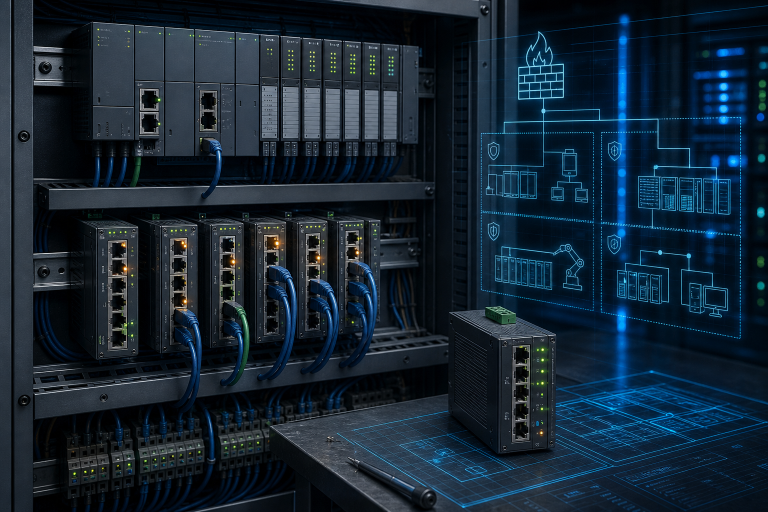
Yes. Mitigation strategies include enhanced network segmentation, the use of hardware-based firewalls specifically designed for SIS traffic, and a strict “Golden Image” backup strategy for your controller configurations. Secure hardware availability is a key part of this defense-in-depth strategy.
Running low on ICS Triplex spares?
Don’t wait for a system failure to reveal a supply chain gap. Contact DriveKNMS today for a technical assessment of your safety system inventory and a quote on audited Rockwell Trusted and AADvance hardware.
Email: sale@driveknms.com | WhatsApp: +86 18359293191
Official Website: Request a Quote Directly
© 2026 DriveKNMS. All rights reserved. Official Website: https://driveknms.com Inquiry: sale@driveknms.com | WhatsApp/Tel: +86 18359293191