
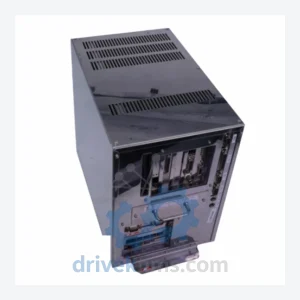
Tokyo Electron 2986 Series Modules | TEL 2986-411806-11
Tokyo Electron (TEL) 2986 Series: Comprehensive Module Range and Technical Overview The Tokyo Electron (TEL) 2986 Series represents a core…
Model: 5085-404901-11 12INCH 2910-202413-12 404200XRMPD2H14 7-249717
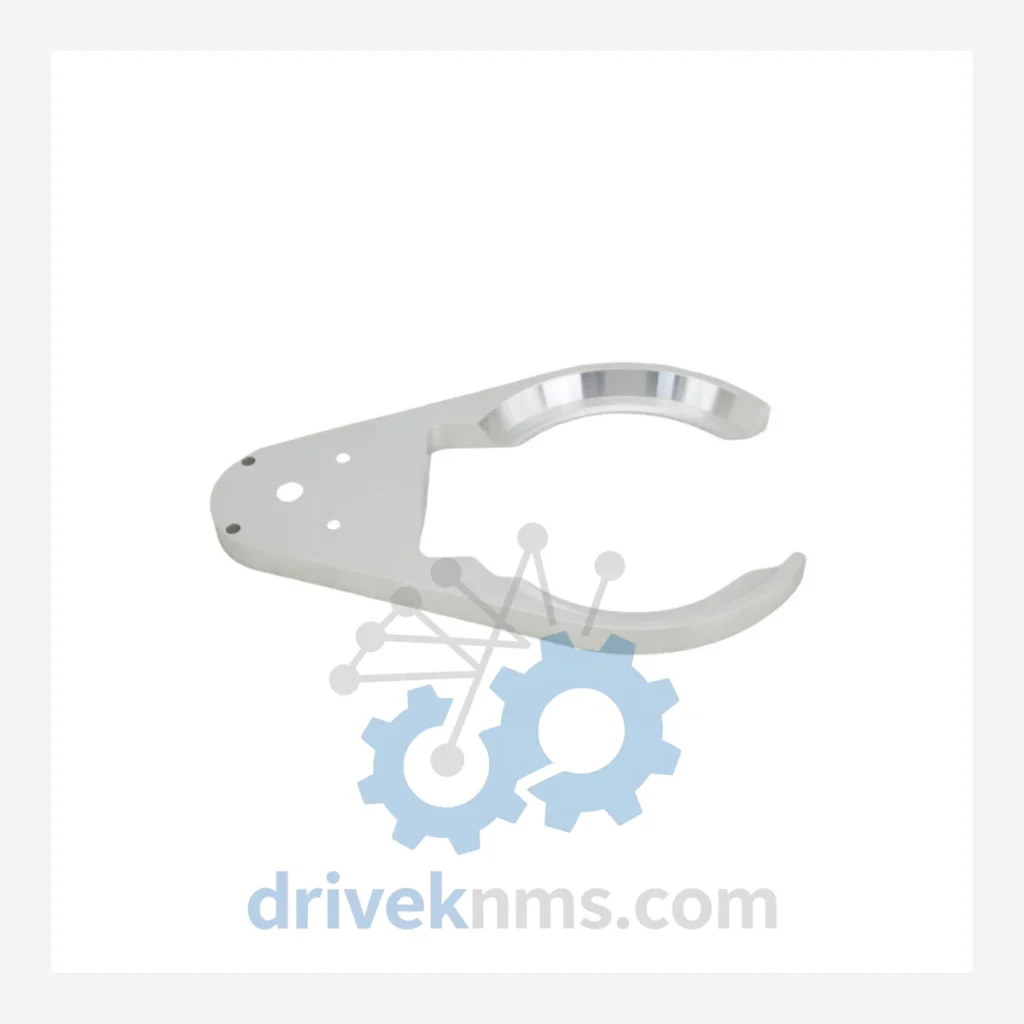
Product Overview
Commercial availability is handled through direct RFQ, model verification and export-oriented follow-up rather than public cart checkout.
Datasheet Preview
Use attached product manuals when available. If the manual is not public yet, request the full file directly through RFQ.
Commercial Path
Product pages on DRIVEKNMS are designed to verify model, brand and series first, then move the buyer into one clean quotation path.
Technical Dossier
The Tokyo Electron LITHIUS platform is a 300mm (12-inch) single-wafer, multi-chamber coater/developer system deployed across high-volume semiconductor fabs globally. It serves as the photolithography track system of record at leading logic and memory manufacturers in Japan, South Korea, Taiwan, and the United States. The LITHIUS and its successor variants (LITHIUS Pro, LITHIUS Pro V, LITHIUS Pro Z) are installed in facilities producing DRAM, NAND Flash, and advanced logic nodes from 65nm down to sub-10nm. Its modular architecture — separating coating, developing, baking, and transport functions into discrete, replaceable units — makes it a long-term platform for fabs that require sustained uptime over 10–20 year equipment lifecycles. Replacement parts, robot assemblies, and process modules for the LITHIUS series remain in active demand for both ongoing production support and scheduled preventive maintenance.
The LITHIUS platform was introduced by Tokyo Electron in the early 2000s as the successor to the ACT-8/ACT-12 coater/developer series, designed specifically for 300mm wafer processing. The original LITHIUS established the cluster-tool layout with a central interface unit (IFU) connecting to an exposure tool, flanked by coating and developing towers. The LITHIUS Pro generation introduced enhanced thermal uniformity control and expanded chemical delivery options to support 193nm immersion lithography processes. The LITHIUS Pro V added vertical transport optimization and increased throughput to over 200 wafers per hour. The LITHIUS Pro Z, the current production variant, incorporates EUV-compatible edge bead removal and advanced cup designs for sub-7nm process nodes. Across all generations, the robot arm assemblies (PRA, SCARA-type), bake/chill units, and spin cup modules maintain a high degree of backward compatibility at the mechanical interface level, though firmware and recipe management systems differ significantly between generations. Fabs running original LITHIUS hardware face increasing challenges sourcing OEM-new components, making certified aftermarket and refurbished assemblies a critical supply chain element.
The following part numbers represent verified components associated with the Tokyo Electron LITHIUS platform. Parts are categorized by functional subsystem.
Process Robot Arm (PRA) & Transport Assemblies
Bake & Chill Plate Modules
Spin Coat & Develop Cup Assemblies
Chemical Delivery & Nozzle Assemblies
Electrical & Control Modules
The original LITHIUS and LITHIUS Pro platforms entered end-of-active-production support from Tokyo Electron, with OEM spare parts availability progressively restricted. DriveKNMS maintains a dedicated inventory of LITHIUS series components sourced through certified secondary market channels, including decommissioned fab equipment, authorized surplus dealers, and direct manufacturer overstock. For part numbers confirmed as discontinued by TEL, DriveKNMS provides lifecycle extension support through: (1) verified refurbished assemblies with full functional test documentation, (2) cross-reference matching to compatible successor part numbers where mechanical and electrical interfaces are equivalent, and (3) consignment sourcing for low-volume, high-criticality parts with lead times quoted per request. All sourced parts are traceable to original equipment serial numbers where documentation is available. Customers operating LITHIUS platforms beyond OEM support windows are advised to establish buffer stock agreements for high-wear items including PRA assemblies, spin chucks, and bake plate heater elements.
LITHIUS series components undergo a structured inspection and functional verification protocol prior to shipment. Robot arm assemblies (PRA, IFU robot) are tested for: positional repeatability (±0.05mm), end-effector flatness, vacuum integrity at the wafer contact surface, and full range-of-motion cycle testing under load. Bake and chill plate units are verified for thermal uniformity across the 300mm wafer zone using calibrated thermocouple mapping. Spin chuck assemblies are tested for vacuum hold force, runout (TIR <5μm), and RPM accuracy across the operating range. Electrical boards and power supply units are bench-tested under rated load conditions with thermal soak. All assemblies are cleaned to semiconductor-grade cleanliness standards (Class 100 equivalent handling) and packaged in ESD-safe, nitrogen-purged enclosures for shipment. Test records are retained and available upon request for critical process components.
Related Paths
Tokyo Electron (TEL) 2986 Series: Comprehensive Module Range and Technical Overview The Tokyo Electron (TEL) 2986 Series represents a core…
Tokyo Electron (TEL) TC600 TMU Series: Comprehensive Module Range and Technical Overview The Tokyo Electron TC600 is a cluster-tool vacuum…
Tokyo Electron (TEL) MC-31035D Series: Comprehensive Module Range and Technical Overview The Tokyo Electron MC-31035D series represents a critical subsystem…