
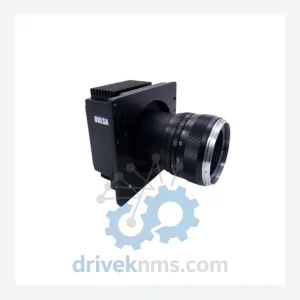
Teledyne Dalsa PC-30-04K80-00 Line Scan Cameras
Teledyne Dalsa PC-30 Series: Comprehensive Module Range and Technical Overview The Teledyne Dalsa PC-30 series represents a mature, field-proven line…
Model: BOT-DG3-DA-4900C-00 FL2004 , 1005936 0190-17311 PSU300S, 6EP1437-2BA20
Product Overview
Commercial availability is handled through direct RFQ, model verification and export-oriented follow-up rather than public cart checkout.
Datasheet Preview
Use attached product manuals when available. If the manual is not public yet, request the full file directly through RFQ.
Commercial Path
Product pages on DRIVEKNMS are designed to verify model, brand and series first, then move the buyer into one clean quotation path.
Technical Dossier
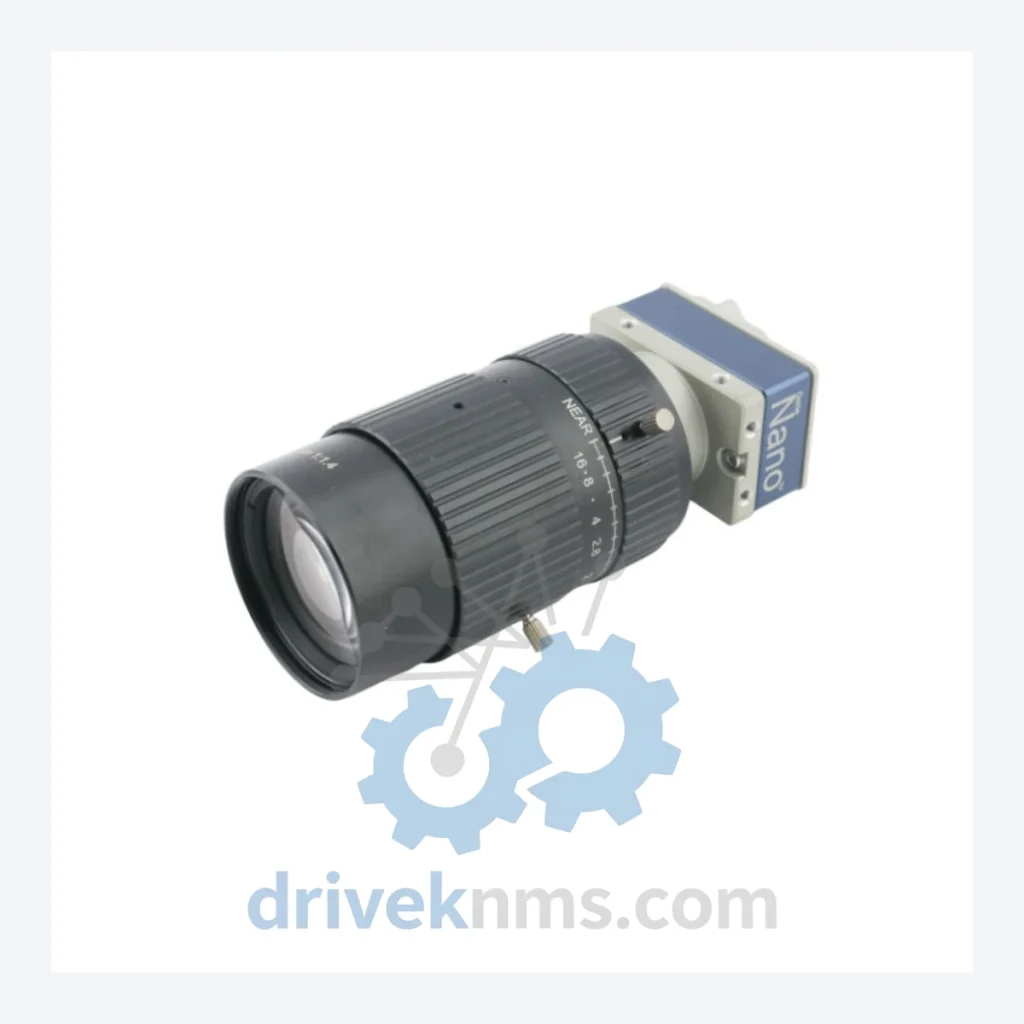
When a machine vision camera module fails on a production line built around the Teledyne DALSA Genie Nano platform, the consequences extend far beyond a single component replacement. The Genie Nano GigE series has been deeply embedded in automated optical inspection (AOI), semiconductor wafer handling, pharmaceutical blister-pack verification, and precision assembly lines worldwide. Replacing the entire vision system — including frame grabbers, lighting controllers, calibration fixtures, and the associated PLC or PC-based image processing software — routinely costs manufacturers between $200,000 and $1,500,000 USD per line, excluding production downtime losses. DriveKNMS holds verified stock of the BOT-DG3-DA-4900C-00 with lens attachment, a unit that is no longer manufactured. Securing this spare now is not a purchasing decision — it is an asset protection decision.
| Parameter | Value |
|---|---|
| Manufacturer | Teledyne DALSA |
| Part Number | BOT-DG3-DA-4900C-00 |
| Series | Genie Nano |
| Interface | GigE Vision (GigE) |
| Sensor Type | CMOS |
| Color / Mono | Color (C suffix) |
| Lens Mount | C-mount (with lens attachment included) |
| Communication Protocol | GigE Vision 1.2 / GenICam compliant |
| Production Status | Discontinued / End-of-Life (EOL) |
| Country of Origin | Canada |
| Companion Parts in This Lot | FL2004, 1005936, 0190-17311, PSU300S, 6EP1437-2BA20 |
Note: Electrical parameters not independently verified for this specific unit. Specifications above are based on published Teledyne DALSA Genie Nano series documentation. Buyers requiring full datasheet confirmation should contact us prior to purchase.
The Teledyne DALSA Genie Nano platform became a standard component in machine vision systems deployed between 2010 and 2020. Its GigE Vision compliance made it interoperable with a wide range of industrial PCs, Cognex VisionPro environments, Halcon-based inspection software, and custom SCADA integrations. When Teledyne DALSA transitioned its product roadmap toward newer sensor architectures, the BOT-DG3-DA-4900C-00 and related Genie Nano models entered end-of-life status without a direct pin-compatible successor.
For plant engineers managing legacy AOI lines, the problem is structural: the replacement camera must match the existing C-mount optical path, the GigE network topology, the GenICam parameter set already embedded in the inspection recipe, and the pixel resolution assumptions baked into the image processing algorithm. A different camera model — even from the same manufacturer — triggers a full re-validation cycle. In regulated industries such as medical device manufacturing or aerospace component inspection, that re-validation can take 6 to 18 months and cost more than the original line installation.
The BOT-DG3-DA-4900C-00 available through DriveKNMS eliminates that risk. It is the same hardware the line was qualified on. No re-validation. No algorithm retraining. No engineering change orders.
How to extend your automation asset life by 5–10 years through strategic spare parts management:
Obsolete machine vision components sourced from secondary markets carry real risk: electrolytic capacitor degradation, firmware version mismatches, oxidized connector pins, and undisclosed impact damage are the four most common failure modes in aged optoelectronic hardware. DriveKNMS applies a 5-step inspection protocol before any unit is offered for sale:
What warranty applies to discontinued parts?
DriveKNMS provides a 90-day functional warranty on all tested units. The warranty covers failure to power on, failure to enumerate on a GigE network, and failure to deliver a live image stream under normal operating conditions. Physical damage caused by installation error or electrical overstress is excluded.
How do I confirm the unit is new or quality-refurbished?
Each unit ships with a DriveKNMS inspection report documenting the 5-step QA process described above, including firmware version, test date, and technician sign-off. Units are classified as either New Old Stock (NOS) or Tested Refurbished (TR) on the inspection report. The classification is disclosed prior to purchase confirmation.
Should I buy more than one unit?
For any production line where this camera is a single point of failure, holding at least one additional cold spare is the minimum defensible position. If your facility operates multiple lines using the same platform, a centralized spare pool of two to three units is standard practice among maintenance engineering teams managing legacy vision systems. Stock of discontinued components is finite and does not replenish. Once current market supply is exhausted, the next available unit will be sourced from decommissioned equipment at significantly higher cost and longer lead time.
Can you source additional units if I need more?
DriveKNMS specializes in obsolete and hard-to-find industrial components. Contact us with your quantity requirement and we will conduct a market search across our supplier network. Response time for availability confirmation is typically 3–5 business days.
For pricing, availability confirmation, inspection reports, or bulk quantity inquiries:
Related Paths
Teledyne Dalsa PC-30 Series: Comprehensive Module Range and Technical Overview The Teledyne Dalsa PC-30 series represents a mature, field-proven line…
Teledyne DALSA VA2 Series: Comprehensive Module Range and Technical Overview The Teledyne DALSA VA2 series represents a line of area-scan…
ALSTOM MVAJ105RA0802A Protection Relay: Supply Continuity Strategy for a Discontinued Critical Component The ALSTOM MVAJ105RA0802A is a numerical protection relay…