
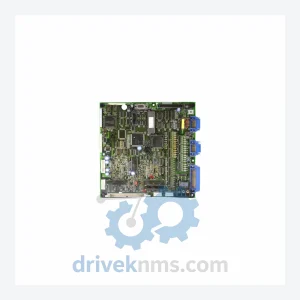
Yaskawa YPHT11014-1A Circuit Board – Obsolete Drive Control Spare Part
Yaskawa YPHT11014-1A Circuit Board – Obsolete Drive Control Spare Part When a Yaskawa YPHT11014-1A circuit board fails in a production…
Model: SGMRS-20A2A-YR22 SGMPH-04A1A-YR13 HW9381465-F
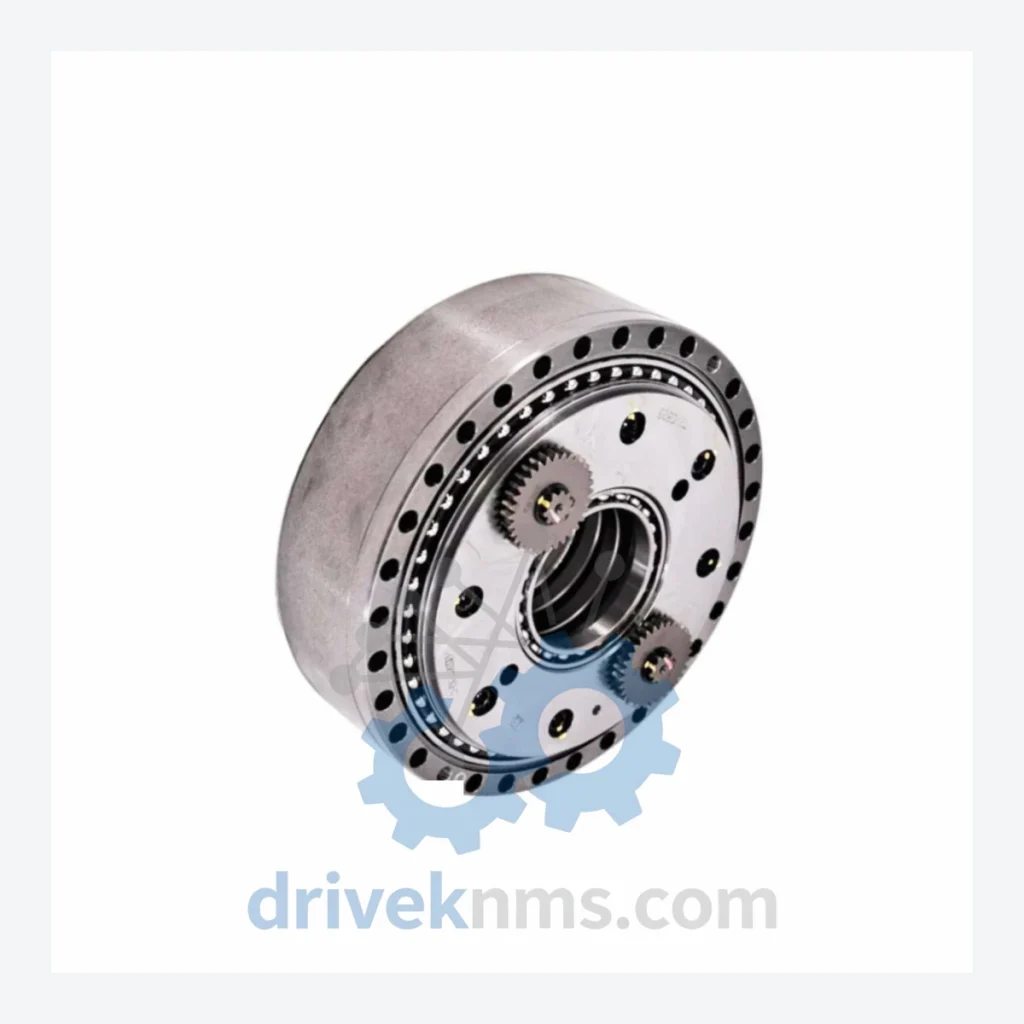
Product Overview
Commercial availability is handled through direct RFQ, model verification and export-oriented follow-up rather than public cart checkout.
Datasheet Preview
Use attached product manuals when available. If the manual is not public yet, request the full file directly through RFQ.
Commercial Path
Product pages on DRIVEKNMS are designed to verify model, brand and series first, then move the buyer into one clean quotation path.
Technical Dossier
When the L-axis drive assembly on a Yaskawa Motoman robot fails, the production line does not pause politely. It stops. For facilities still operating legacy Motoman UP, SK, or UP6 series robots, the SGMRS-20A2A-YR22 servo motor paired with the SGMPH-04A1A-YR13 reducer and HW9381465-F mechanical interface is the exact assembly that keeps the arm moving. Yaskawa has long discontinued this configuration. OEM replacement channels are closed. The alternative — a full robot cell upgrade — carries a capital expenditure that routinely exceeds USD 300,000 per unit when engineering, integration, downtime, and revalidation costs are factored in. DriveKNMS holds verified physical stock of this assembly. This is not a listing built on broker speculation; it reflects units that have been inspected and are ready to ship.
| Parameter | Value |
|---|---|
| Brand | Yaskawa Electric Corporation |
| Servo Motor Model | SGMRS-20A2A-YR22 |
| Reducer / Gear Unit Model | SGMPH-04A1A-YR13 |
| Mechanical Interface Part No. | HW9381465-F |
| Axis Application | L-Axis (Lower Arm) |
| Compatible Robot Series | Yaskawa Motoman UP, SK, UP6 series (verify against your robot BOM) |
| Country of Origin | Japan |
| OEM Status | Discontinued – No longer available through Yaskawa standard channels |
| Condition Available | New Old Stock (NOS) / Professionally Refurbished |
Note: Electrical parameters specific to your robot variant should be confirmed against your original Yaskawa maintenance manual. DriveKNMS does not publish unverified specifications.
Yaskawa Motoman robots from the UP and SK generations were engineered for 15–20 year service lives. Many facilities extended that timeline further, and those robots are now operating well beyond their original design horizon. The L-axis servo-reducer assembly is a high-cycle, high-load component. It accumulates wear faster than most other joints in the kinematic chain, and when it fails, there is no modern drop-in equivalent that does not require mechanical rework, controller parameter changes, and in many cases, a full safety revalidation.
The industrial automation market has not provided a clean migration path. Yaskawa's current DX200 and YRC1000 controller platforms are incompatible with the older MRC and XRC teach pendant ecosystems. A robot cell that was commissioned in the late 1990s or early 2000s cannot simply receive a new arm and continue operating. The control architecture, the wiring harness, the I/O mapping, and the safety relay logic are all tied to the original hardware generation. Replacing the L-axis assembly with an identical unit is the only intervention that preserves the existing validated process without triggering a full re-engineering cycle.
For plant engineering teams managing 20 or more legacy Motoman cells, the calculus is straightforward: sourcing a verified spare assembly at a fraction of the cost of a new robot protects the capital already embedded in the line and defers a multi-million dollar modernization project until it can be planned and budgeted properly — rather than forced by an unplanned failure.
How to extend your Motoman robot asset life by 5–10 years through targeted spare part strategy:
DriveKNMS applies a structured 5-step quality process to all obsolete servo-mechanical assemblies before they leave our facility.
Units that pass all five steps are packaged in anti-static, moisture-barrier packaging with desiccant and shipped with a condition report.
Q: What warranty applies to this obsolete assembly?
A: DriveKNMS provides a 90-day functional warranty on all refurbished units and a 30-day warranty on New Old Stock units. Warranty covers verified functional defects identified under normal operating conditions. It does not cover damage resulting from incorrect installation or incompatible controller configurations.
Q: How do I confirm this is a genuine Yaskawa unit and not a counterfeit?
A: All units sourced by DriveKNMS are verified against Yaskawa's original part numbering and label conventions. We provide the physical unit's label photographs and, where available, original packaging documentation upon request before purchase.
Q: Should I buy more than one unit as a long-term reserve?
A: For facilities operating more than three Motoman robots of the same generation, holding two spare L-axis assemblies is a defensible maintenance investment. The secondary market for this specific assembly is finite. Once current global stock is absorbed, sourcing lead times will extend significantly. Procurement decisions made under emergency conditions are consistently more expensive than planned reserve purchases.
Q: Can this unit be used with a Yaskawa NX100 or DX100 controller?
A: Compatibility depends on the specific robot model and axis parameter configuration in your controller. We recommend confirming the encoder specification and axis parameter file against your controller documentation before ordering. Our technical team can assist with compatibility verification.
Related Paths
Yaskawa YPHT11014-1A Circuit Board – Obsolete Drive Control Spare Part When a Yaskawa YPHT11014-1A circuit board fails in a production…
Yaskawa YPCT11065-1-3 Circuit Board – Obsolete Varispeed Series Spare Part When a circuit board like the YPCT11065-1-3 fails inside a…
Yaskawa SGMG Series: Comprehensive Module Range and Technical Overview The Yaskawa SGMG series represents one of the most widely deployed…