
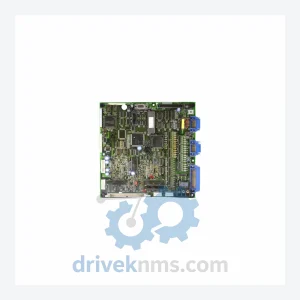
Yaskawa YPHT11014-1A Circuit Board – Obsolete Drive Control Spare Part
Yaskawa YPHT11014-1A Circuit Board – Obsolete Drive Control Spare Part When a Yaskawa YPHT11014-1A circuit board fails in a production…
Model: JZNC-YSU01-1E JZNC-YSU01-1E 2000IB/165FA97L-0218-0383#450N-236 R-2000iC/165FA97L-0218-0989#218
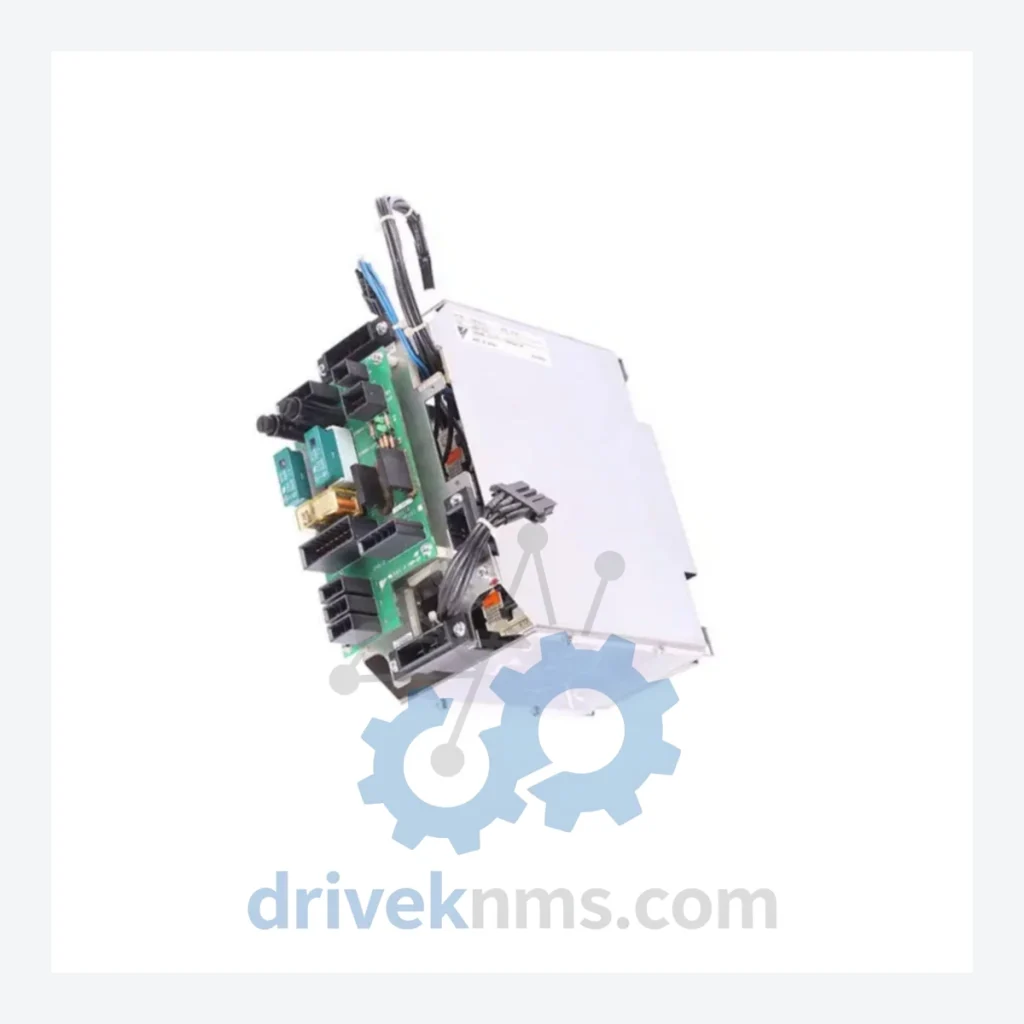
Product Overview
Commercial availability is handled through direct RFQ, model verification and export-oriented follow-up rather than public cart checkout.
Datasheet Preview
Use attached product manuals when available. If the manual is not public yet, request the full file directly through RFQ.
Commercial Path
Product pages on DRIVEKNMS are designed to verify model, brand and series first, then move the buyer into one clean quotation path.
Technical Dossier
When the JZNC-YSU01-1E fails, the production line does not simply pause — it stops. For facilities running YASKAWA Motoman robot systems integrated with FANUC R-2000iB or R-2000iC arms, this machine safety unit is the gatekeeper of every safety-rated stop function on the cell. A single failed unit can ground an entire robotic workcell indefinitely. Sourcing a replacement through OEM channels is no longer a realistic option: YASKAWA has discontinued this board, and authorized distributors have exhausted their allocations.
The cost of a full system migration — new controller, re-integration engineering, safety re-certification, and production downtime — routinely exceeds USD $300,000 per cell. DriveKNMS holds verified physical stock of the JZNC-YSU01-1E. For plant managers and maintenance engineers facing an unplanned outage, this is not a commodity purchase. It is asset protection.
| Part Number | JZNC-YSU01-1E |
|---|---|
| Manufacturer | YASKAWA Electric Corporation |
| Series | YSU (Machine Safety Unit) |
| Function | Robot safety monitoring unit – manages safety-rated stop categories (SS1/SS2/STO) for robotic workcells |
| Compatible Platforms | YASKAWA Motoman NX100 / DX100 controller families; integrated workcells with FANUC R-2000iB and R-2000iC manipulators |
| Country of Origin | Japan |
| OEM Discontinuation Status | Confirmed Discontinued – no longer available through YASKAWA authorized channels |
| Condition Available | New Old Stock (NOS) / Professionally Refurbished |
Note: Electrical parameters such as input voltage range and bus interface specifications are not published here to avoid inaccuracy. Confirmed specifications are provided upon request with supporting documentation.
The JZNC-YSU01-1E sits at the intersection of motion control and functional safety. In a standard YASKAWA Motoman workcell, this unit continuously monitors the safety-rated I/O signals — emergency stop chains, safety gates, light curtains — and arbitrates the stop category executed by the servo drives. Without it, the controller cannot validate the safety state of the cell, and the robot will not operate.
Facilities that installed NX100 or DX100-based systems between 2005 and 2015 are now entering the highest-risk phase of their asset lifecycle. The mechanical and electrical components of the manipulator arms themselves — gearboxes, encoders, servo drives — are serviceable and can be rebuilt. The control electronics, however, are the bottleneck. YASKAWA's current DX200 and YRC1000 platforms are not backward-compatible with older teach pendants, safety wiring schemas, or application software. A controller swap is not a maintenance event; it is a capital project.
Maintaining a buffer stock of critical boards like the JZNC-YSU01-1E is the lowest-cost strategy available to extend the productive life of these assets by 5 to 10 years. The math is straightforward: the cost of two spare safety units is a fraction of one week of unplanned downtime, and an order of magnitude less than a controller migration project. Plants that have adopted a proactive spare-parts strategy for their legacy YASKAWA cells consistently defer capital expenditure while maintaining OEE targets.
Every JZNC-YSU01-1E unit shipped by DriveKNMS passes a structured 5-step inspection protocol before dispatch:
Units that do not pass all five steps are not sold. They are parted for components or scrapped.
Q: What warranty applies to a discontinued part like the JZNC-YSU01-1E?
A: DriveKNMS provides a 90-day warranty covering functional defects identified under normal operating conditions. Extended warranty terms are available for volume orders — contact us to discuss.
Q: How do I confirm the unit is genuine and not a counterfeit?
A: All units are sourced from documented industrial decommissions or authorized surplus channels. We provide the unit's physical label, board markings, and firmware version for customer verification before shipment. We do not source from unverified secondary markets.
Q: Should I buy more than one unit?
A: For any facility running more than one YASKAWA cell dependent on this board, holding a minimum of two spares is the standard recommendation. Once current stock is exhausted, no further supply can be guaranteed. The cost of a second unit is negligible relative to the downtime exposure of a single-point-of-failure with no spare.
Q: Can you confirm compatibility with my specific controller revision before I order?
A: Yes. Provide your controller model, software version, and existing board revision, and our technical team will confirm compatibility in writing before you commit to a purchase.
© 2026 DriveKNMS. Status: DRAFT
Related Paths
Yaskawa YPHT11014-1A Circuit Board – Obsolete Drive Control Spare Part When a Yaskawa YPHT11014-1A circuit board fails in a production…
Yaskawa YPCT11065-1-3 Circuit Board – Obsolete Varispeed Series Spare Part When a circuit board like the YPCT11065-1-3 fails inside a…
Yaskawa SGMG Series: Comprehensive Module Range and Technical Overview The Yaskawa SGMG series represents one of the most widely deployed…