
Yaskawa YPHT11014-1A Circuit Board – Obsolete Drive Control Spare Part
Yaskawa YPHT11014-1A Circuit Board – Obsolete Drive Control Spare Part When a Yaskawa YPHT11014-1A circuit board fails in a production…
Model: HW0388706-A HW0388708-A HW0388710-A
Product Overview
Commercial availability is handled through direct RFQ, model verification and export-oriented follow-up rather than public cart checkout.
Datasheet Preview
Use attached product manuals when available. If the manual is not public yet, request the full file directly through RFQ.
Commercial Path
Product pages on DRIVEKNMS are designed to verify model, brand and series first, then move the buyer into one clean quotation path.
Technical Dossier
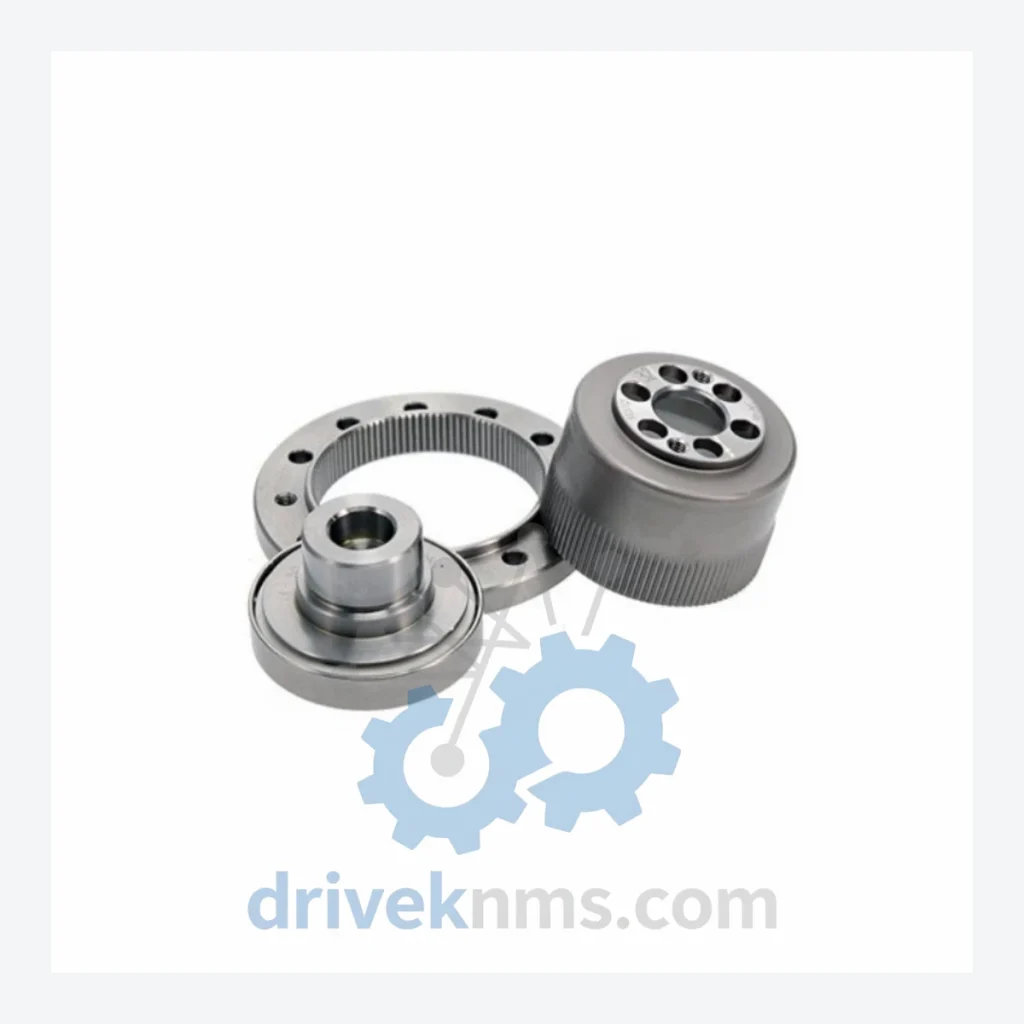
When a reducer fails on a Yaskawa industrial robot, the clock starts immediately. A single axis going down can halt an entire production cell. For facilities running legacy Yaskawa robot arms — particularly those built around the Motoman series — sourcing a replacement reducer through official channels is no longer straightforward. These part numbers have been discontinued, and the path to a new robot arm or a full cell upgrade carries a price tag that routinely exceeds several hundred thousand dollars, before factoring in re-integration engineering, downtime losses, and retraining costs.
DriveKNMS maintains verified stock of the HW0388706-A, HW0388708-A, and HW0388710-A reducer units. These are not substitutes or cross-referenced alternatives — they are the exact mechanical assemblies required for direct replacement in the affected robot configurations.
| Parameter | Detail |
|---|---|
| Manufacturer | YASKAWA Electric Corporation |
| Part Numbers | HW0388706-A / HW0388708-A / HW0388710-A |
| Component Type | Robot Joint Reducer (Harmonic / RV type) |
| Compatible Platform | Yaskawa Motoman robot series (legacy configurations) |
| Country of Origin | Japan |
| Discontinuation Status | Obsolete – No longer available through standard Yaskawa distribution channels |
| Condition Available | New Old Stock (NOS) / Professionally Refurbished |
Note: Axis-specific torque ratings, gear ratios, and mounting dimensions vary by sub-part number (706-A / 708-A / 710-A). Confirm your robot model and axis position before ordering. We do not publish unverified electrical or mechanical parameters.
Yaskawa's Motoman robot lineup has served automotive, electronics, and general manufacturing facilities for decades. The reducers in these joints are high-precision, high-load components — and they are not interchangeable with current-generation equivalents without mechanical modification and re-calibration.
When a facility faces reducer failure on a legacy Motoman arm, the realistic options narrow quickly: source the original part, or commit to a full robot replacement program. The latter is not simply a procurement decision. It involves cell redesign, fixture modification, updated safety fencing, new programming, and operator retraining. Conservative estimates for a single robot cell replacement — including all associated engineering — routinely land between $150,000 and $400,000 USD, and that figure does not account for the production revenue lost during the transition period.
A verified replacement reducer, installed by a qualified integrator, restores the robot to full operational specification at a fraction of that cost. For facilities managing fleets of legacy Motoman arms, maintaining a buffer stock of critical reducers is not a luxury — it is a straightforward asset protection calculation.
The HW0388706-A, HW0388708-A, and HW0388710-A are among the reducer assemblies most frequently requested by maintenance teams managing aging Yaskawa installations. Their availability on the open market is limited and declining. Each unit that leaves the secondary market is one fewer option for the next facility that needs one.
For plant managers facing pressure to justify capital expenditure deferrals, the argument for legacy robot maintenance is straightforward when the numbers are laid out correctly.
A well-maintained Yaskawa Motoman robot arm has a mechanical service life that extends well beyond its nominal design cycle, provided that wear components — reducers, bearings, wrist assemblies — are replaced on schedule. The control system, teach pendant, and servo drives are separate concerns, but the mechanical structure itself is durable. Facilities that have implemented proactive reducer replacement programs report robot service extensions of 7–12 years beyond the point at which the OEM ceased support.
The practical framework for this approach involves three elements: first, condition monitoring of reducer backlash and vibration signature at regular intervals (typically every 8,000–12,000 operating hours); second, maintaining a minimum on-hand stock of one replacement reducer per robot axis type in the fleet; and third, establishing a qualified service relationship with an integrator experienced in legacy Yaskawa systems. The combined annual cost of this program is a small fraction of a single robot replacement, and it eliminates the production risk associated with an unplanned failure event.
DriveKNMS supports this strategy by providing access to verified obsolete spare parts — including reducer assemblies — that are no longer available through standard distribution. Our inventory is sourced, inspected, and documented to support maintenance programs that cannot afford uncertainty.
Obsolete mechanical components sourced from the secondary market carry inherent risk if they are not properly evaluated before installation. DriveKNMS applies a five-stage inspection protocol to all reducer units before they are offered for sale:
1. Visual and Structural Inspection: External housing examined for impact damage, corrosion, and seal integrity. Units with compromised housings are rejected at intake.
2. Bearing and Gear Mesh Assessment: Manual rotation check for smooth operation, absence of binding, and consistent drag torque. Abnormal resistance patterns indicate internal wear and trigger rejection.
3. Seal and Lubrication Verification: Output seals inspected for hardening, cracking, or extrusion. Lubricant condition assessed where accessible. Units requiring re-greasing are serviced with manufacturer-specified compounds.
4. Mounting Interface Inspection: Input and output flanges checked for thread condition, flatness, and absence of fretting corrosion. Pin and bolt hole conditions verified against specification.
5. Documentation and Traceability: Each unit is logged with source information, inspection date, inspector record, and condition classification (New Old Stock or Refurbished). This record accompanies the unit on delivery.
Units that do not pass all five stages are not offered for sale. There are no exceptions to this protocol.
Direct mechanical replacement: The HW0388706-A, HW0388708-A, and HW0388710-A are OEM assemblies. They install into the original mounting positions without modification to the robot structure.
No reprogramming required: Reducer replacement on a Yaskawa Motoman robot requires axis calibration (mastering), but does not require controller reprogramming or modification of the task program. The robot returns to its original taught positions after the mastering procedure is completed by a qualified technician.
Avoids engineering reconstruction costs: Unlike a robot replacement program, a reducer swap does not trigger cell redesign, fixture re-qualification, or safety system re-validation. The scope of work is contained to the mechanical replacement and mastering procedure.
Supports fleet standardization: For facilities operating multiple Motoman arms of the same model, maintaining a shared reducer inventory reduces per-unit spare cost and simplifies maintenance scheduling.
What warranty applies to obsolete reducer units?
DriveKNMS provides a 90-day warranty against defects identified during our inspection process. This covers mechanical failure attributable to the condition of the unit at the time of sale. Warranty claims require documentation of installation conditions and failure mode.
How do I confirm whether a unit is New Old Stock or refurbished?
Each unit shipped by DriveKNMS includes a condition certificate specifying its classification and the inspection steps completed. NOS units are those that have not been installed in service. Refurbished units have been disassembled, inspected, serviced, and reassembled to operational specification.
Should I purchase more than one unit?
For facilities with multiple robots using the same reducer assembly, purchasing a buffer stock of two to three units is a standard risk management practice. These part numbers are no longer manufactured, and secondary market availability will continue to decrease. The cost of holding a spare unit is negligible compared to the cost of an unplanned production stoppage while sourcing one under time pressure.
Can you source other Yaskawa obsolete parts?
Yes. DriveKNMS specializes in hard-to-find and obsolete industrial automation components across multiple brands. Contact us with your part number and we will advise on availability.
Related Paths
Yaskawa YPHT11014-1A Circuit Board – Obsolete Drive Control Spare Part When a Yaskawa YPHT11014-1A circuit board fails in a production…
Yaskawa YPCT11065-1-3 Circuit Board – Obsolete Varispeed Series Spare Part When a circuit board like the YPCT11065-1-3 fails inside a…
Yaskawa SGMG Series: Comprehensive Module Range and Technical Overview The Yaskawa SGMG series represents one of the most widely deployed…