
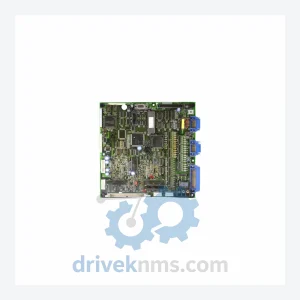
Yaskawa YPHT11014-1A Circuit Board – Obsolete Drive Control Spare Part
Yaskawa YPHT11014-1A Circuit Board – Obsolete Drive Control Spare Part When a Yaskawa YPHT11014-1A circuit board fails in a production…
Model: YRC1000 HB1371456-1 DX100 JZRCR-YPP01-1 SGDR-SDB950A01DY500
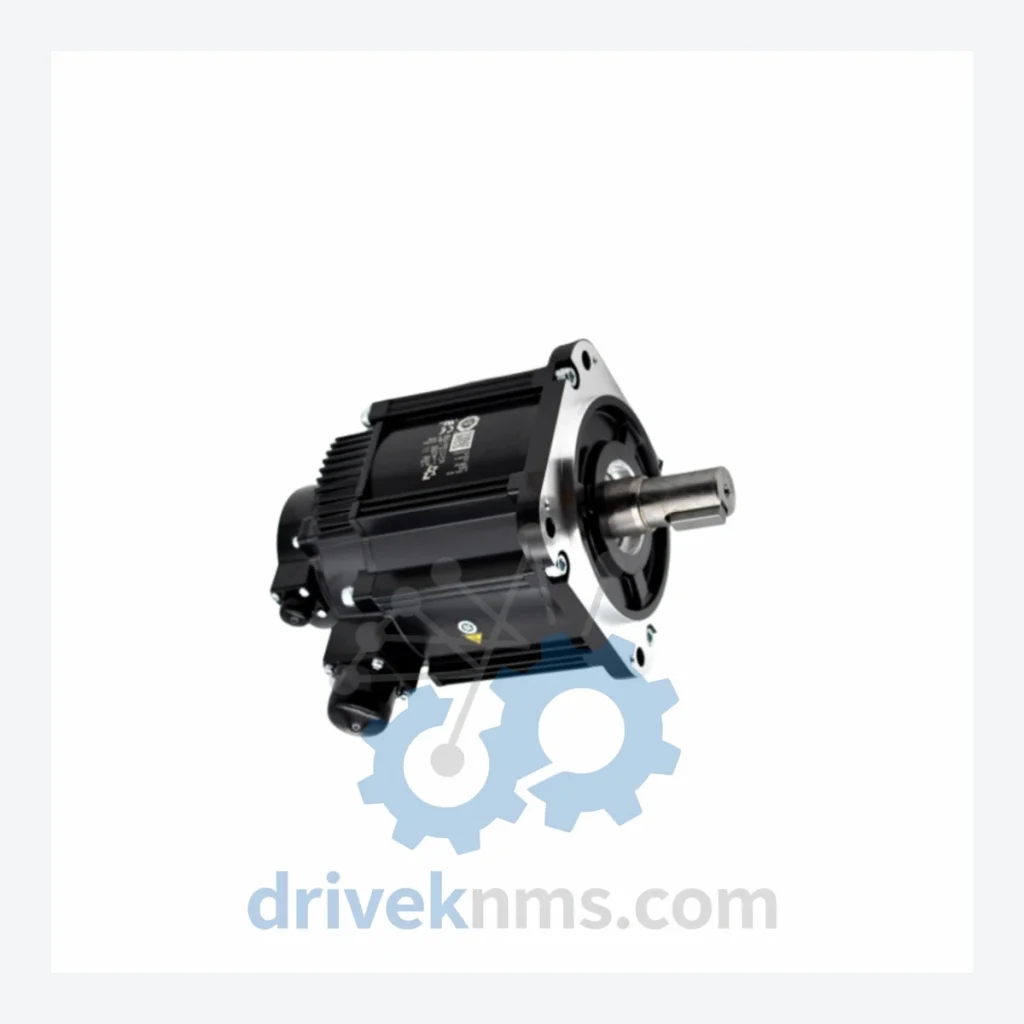
Product Overview
Commercial availability is handled through direct RFQ, model verification and export-oriented follow-up rather than public cart checkout.
Datasheet Preview
Use attached product manuals when available. If the manual is not public yet, request the full file directly through RFQ.
Commercial Path
Product pages on DRIVEKNMS are designed to verify model, brand and series first, then move the buyer into one clean quotation path.
Technical Dossier
When a servo drive fails inside a Yaskawa DX100 or YRC1000 robot controller, the clock starts immediately. A single unplanned line stoppage in an automotive or electronics assembly plant routinely costs $10,000–$50,000 per hour in lost throughput. A forced migration to a current-generation controller — including mechanical re-integration, re-teaching of robot programs, safety re-certification, and production validation — can exceed $300,000 per robot cell. The SGDR-SDB950A01DY500 is a discontinued component. Finding a verified unit on short notice is not a procurement exercise; it is a crisis response. DriveKNMS maintains allocated stock of this servopack specifically to absorb that crisis before it reaches your finance department.
| Parameter | Detail |
|---|---|
| Manufacturer | Yaskawa Electric Corporation |
| Part Number | SGDR-SDB950A01DY500 |
| Associated Assembly | HB1371456-1 |
| Compatible Controller | Yaskawa DX100, YRC1000 |
| Series | Σ-II / SGDR Servopack |
| Function | Robot axis servo amplifier / drive module |
| Discontinuation Status | Discontinued – no longer manufactured by Yaskawa |
| Country of Origin | Japan |
| Condition Available | New surplus / Professionally refurbished |
Note: Detailed electrical parameters (rated current, bus voltage, encoder interface spec) vary by axis configuration. Confirmed specifications are provided upon request with unit serial number verification. No parameters are stated here that cannot be independently verified.
The DX100 controller was Yaskawa's dominant industrial robot platform for over a decade, deployed across automotive body welding, semiconductor handling, food packaging, and general assembly lines worldwide. The YRC1000 succeeded it but shares a significant portion of the servo drive architecture during the transition period — meaning SGDR-series servopacks remain embedded in active production environments that have no near-term retirement plan.
Yaskawa's official end-of-life policy for DX100 hardware means that OEM replacement parts are no longer available through standard distribution channels. When the SGDR-SDB950A01DY500 fails, plant engineers face a binary choice: locate a verified replacement unit, or commit to a full controller migration. The migration path is not simply a capital expenditure — it requires re-qualification of every robot program, updated safety documentation, and in regulated industries, a formal change-control process that can take months.
Facilities that have invested in Yaskawa robot infrastructure over 10–15 years have accumulated institutional knowledge, calibrated tooling, and validated processes built around the DX100/YRC1000 platform. Replacing a $400 servo drive to preserve that investment is not a compromise — it is sound asset management. The alternative, a six-figure controller replacement triggered by a single failed component, is a cost that no maintenance budget should absorb unnecessarily.
How to extend your DX100 / YRC1000 system life by 5–10 years at low cost:
Discontinued servo drives sourced from the secondary market carry inherent risk if not properly evaluated. DriveKNMS applies a structured 5-step inspection protocol to every SGDR-series unit before it is offered for sale:
What warranty applies to a discontinued servo drive?
DriveKNMS provides a 90-day warranty against defects in materials and workmanship on all refurbished units, and a 30-day warranty on new surplus units. Warranty claims require the unit to be returned in original packaging with the fault documented.
How do I confirm the unit is genuine Yaskawa?
All units supplied by DriveKNMS are inspected for manufacturer markings, label integrity, and internal construction consistent with genuine Yaskawa production. We do not knowingly supply counterfeit components. Customers may request inspection photos prior to shipment.
Should I buy more than one unit?
For any robot cell running on DX100 or YRC1000 hardware with no near-term migration plan, holding a minimum of one cold spare per critical axis drive is a standard risk mitigation practice. For multi-robot lines, a shared spare pool covering the most common drive configurations is advisable. Stock of discontinued parts is finite and does not replenish.
Can you source other DX100 / YRC1000 components?
Yes. DriveKNMS specializes in obsolete and hard-to-find automation components. Contact us with your full part number list for availability and lead time.
Related Paths
Yaskawa YPHT11014-1A Circuit Board – Obsolete Drive Control Spare Part When a Yaskawa YPHT11014-1A circuit board fails in a production…
Yaskawa YPCT11065-1-3 Circuit Board – Obsolete Varispeed Series Spare Part When a circuit board like the YPCT11065-1-3 fails inside a…
Yaskawa SGMG Series: Comprehensive Module Range and Technical Overview The Yaskawa SGMG series represents one of the most widely deployed…