
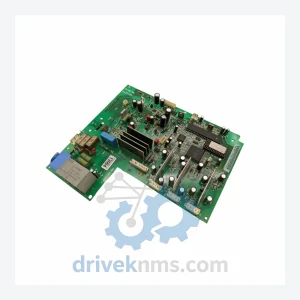
ABB SNAT-7120 Circuit Board – SNAZ7120J Series
ABB SNAT-7120 / SNAZ7120J Circuit Board: Sourcing Strategy & Asset Return Value in a Constrained Global Supply Chain The ABB…
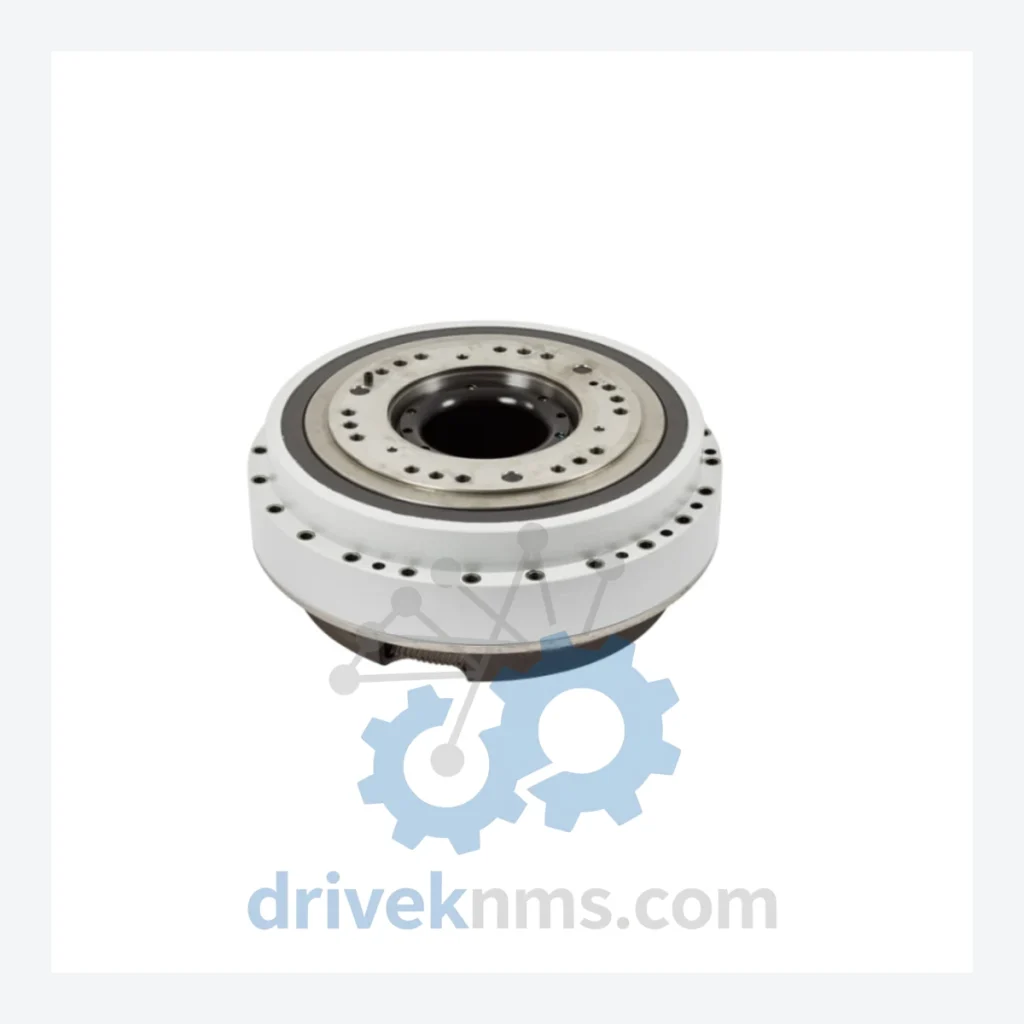
Model: IRB66003HAC021127-004
Product Overview
Commercial availability is handled through direct RFQ, model verification and export-oriented follow-up rather than public cart checkout.
Datasheet Preview
Use attached product manuals when available. If the manual is not public yet, request the full file directly through RFQ.
Commercial Path
Product pages on DRIVEKNMS are designed to verify model, brand and series first, then move the buyer into one clean quotation path.
Technical Dossier
When a single axis motor fails on an ABB IRB 6600 robot, the production line does not pause politely. It stops. For facilities running legacy robotic cells built around the IRB 6600 platform, sourcing a replacement 3HAC021127-004 rotational AC motor is not a procurement exercise — it is a crisis management operation. A full robotic cell upgrade, including new controllers, end-of-arm tooling re-engineering, safety system recertification, and production downtime, routinely exceeds USD 500,000 to USD 1,500,000 per line. Against that exposure, securing a verified spare motor is not a cost — it is asset protection. DriveKNMS holds physical stock of this unit. Availability is finite and not guaranteed to be replenished.
| Part Number | 3HAC021127-004 |
|---|---|
| Manufacturer | ABB Robotics |
| Compatible Robot Series | ABB IRB 6600 |
| Component Type | Rotational AC Servo Motor with Pinion |
| Country of Origin | Sweden |
| Product Status | Discontinued / Obsolete – No longer in ABB active production |
| Condition Available | New Old Stock (NOS) / Professionally Refurbished |
Note: Electrical parameters (voltage, current rating, encoder resolution) are not published here to prevent misapplication. Verified specifications are provided upon request with your robot serial number and axis configuration.
The ABB IRB 6600 was a workhorse of heavy-payload automation — deployed extensively in automotive body-in-white welding, foundry handling, and press-tending applications through the 2000s and 2010s. Many of these installations remain mechanically sound and operationally justified. The robot structure, gearboxes, and control cabinets (IRC5 and earlier) continue to perform within specification. The failure point is almost always a single electromechanical component: a motor, a drive board, or a resolver.
ABB has formally discontinued the IRB 6600 product line. Replacement motors such as the 3HAC021127-004 are no longer manufactured. Once distributor and aftermarket stocks are exhausted, the only remaining options are full robot replacement or extended downtime while a refurbishment specialist is located. Neither outcome is acceptable for a facility running on tight cycle-time margins.
Facilities that proactively secure one or two spare motors per robot cell routinely extend operational asset life by 5 to 10 years beyond the manufacturer's support window. The capital cost of a spare motor is typically less than 0.5% of the cost of a forced line upgrade. For plant engineering managers and maintenance directors facing capital expenditure freezes, this is the most defensible maintenance investment available.
The strategic logic is straightforward: the robot's mechanical structure has decades of remaining service life. The limiting factor is component availability. Controlling that supply chain risk — by holding verified spares on-site — converts an unplanned catastrophic failure into a scheduled two-hour maintenance event.
DriveKNMS applies a 5-step quality assurance protocol to all obsolete motor units before shipment:
For facilities under pressure to defer capital expenditure on robotic system replacement, the following maintenance framework has been applied successfully across multiple heavy-industry installations:
1. Conduct a Critical Spares Audit. Identify every motor, drive, and controller board in your IRB 6600 cells that has no available new-manufacture replacement. Prioritize by axis load and cycle frequency — axis 1 and axis 2 motors on high-payload applications carry the greatest failure risk.
2. Establish a Minimum On-Hand Inventory. For a cell of four to six robots, holding two spare axis motors per high-risk axis position reduces mean time to repair from weeks to hours. The carrying cost of this inventory is a fraction of a single unplanned downtime event.
3. Implement Condition-Based Monitoring. ABB's IRC5 controller logs motor current draw and temperature data. Trending these values over time provides early warning of winding degradation before catastrophic failure occurs. This converts reactive maintenance into planned maintenance.
4. Document Your Configuration. Maintain a complete record of robot serial numbers, axis configurations, software versions, and installed part numbers. When sourcing obsolete spares, this documentation allows suppliers to verify compatibility precisely and eliminates the risk of receiving an incompatible variant.
5. Engage Specialist Suppliers Early. Obsolete part availability decreases over time as existing stocks are consumed. Facilities that identify and secure critical spares two to three years before anticipated need consistently achieve better pricing and availability than those responding to an active failure.
Q: What warranty applies to obsolete spare parts?
A: DriveKNMS provides a 90-day warranty on all units covering defects in the part as supplied. New Old Stock units carry a 180-day warranty. Warranty terms are confirmed in writing at the time of order.
Q: How do I confirm the unit is new or quality-refurbished?
A: Each unit ships with a DriveKNMS inspection certificate documenting the condition classification, test results, and technician sign-off. New Old Stock units retain original ABB packaging where available. Refurbished units are clearly identified with refurbishment date and scope.
Q: Can you supply multiple units for a long-term spares program?
A: Yes. DriveKNMS works with maintenance and procurement teams to structure multi-unit supply agreements for critical obsolete components. Contact us to discuss volume requirements and lead times.
Q: What information do I need to provide to confirm compatibility?
A: Please provide your robot model (IRB 6600 variant), robot serial number, axis number, and IRC5 or S4C+ controller software version. This allows us to confirm the correct part variant before shipment.
Q: What are the shipping and export options?
A: DriveKNMS ships globally. Export documentation, including commercial invoice and packing list, is provided as standard. Customers requiring specific customs documentation should advise at the time of order.
Related Paths
ABB SNAT-7120 / SNAZ7120J Circuit Board: Sourcing Strategy & Asset Return Value in a Constrained Global Supply Chain The ABB…
ABB AC500 Series: Comprehensive Module Range and Technical Overview The ABB AC500 is a scalable modular PLC platform deployed across…
ABB SCDCS-CON-4 Control Board – Obsolete DCS Spare Part When a single control board fails in a legacy distributed control…