
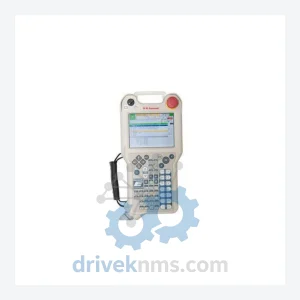
Kawasaki 50817-0128L05 Screen Display – Operator Interface Panel
Kawasaki 50817-0128L05 Screen Display: Sourcing Strategy & Asset Return Value in a Constrained Supply Chain The Kawasaki 50817-0128L05 is an…
Model: 50817-0066
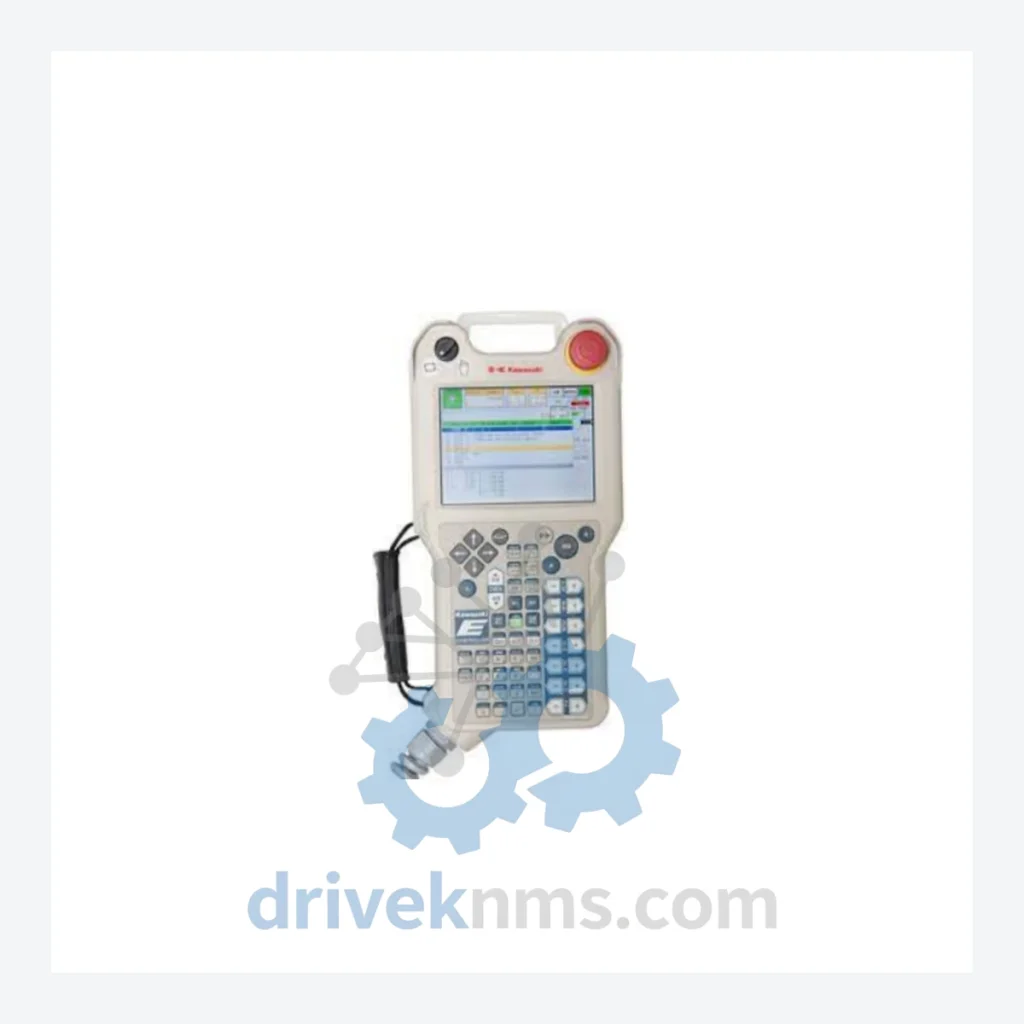
Product Overview
Commercial availability is handled through direct RFQ, model verification and export-oriented follow-up rather than public cart checkout.
Datasheet Preview
Use attached product manuals when available. If the manual is not public yet, request the full file directly through RFQ.
Commercial Path
Product pages on DRIVEKNMS are designed to verify model, brand and series first, then move the buyer into one clean quotation path.
Technical Dossier
When a teach pendant display fails on a Kawasaki robot controller, the consequences extend far beyond a single component. The robot arm becomes inoperable. Operators lose the ability to jog axes, modify programs, or execute any manual intervention. In a production environment where a single robot cell supports a welding, assembly, or material handling line, that failure can idle an entire shift — or trigger a capital expenditure discussion that no plant manager wants to have. A full robotic system replacement, including integration, reprogramming, and downtime costs, routinely runs into the hundreds of thousands of dollars. The Kawasaki 50817-0066 LCD display panel is the component that stands between a recoverable maintenance event and a forced system retirement.
DriveKNMS holds verified stock of this discontinued part. This is not a listing built on speculation — it reflects physical inventory sourced through industrial asset recovery channels.
| Part Number | 50817-0066 |
|---|---|
| Manufacturer | Kawasaki Robotics |
| Component Type | Teach Pendant LCD Display Panel |
| Country of Origin | Japan |
| Product Status | Discontinued / Obsolete |
| Compatible Systems | Kawasaki legacy robot controllers (D-series, E-series and equivalent generations using this pendant form factor) |
| Condition Available | New Old Stock (NOS) / Professionally Refurbished |
Note: Electrical parameters such as voltage ratings and interface specifications are not published here to prevent misapplication. Confirm compatibility with your controller serial number before ordering.
Kawasaki Robotics has a long-established presence in automotive, electronics, and general manufacturing automation. The teach pendant is the primary human-machine interface for every robot in their legacy lineup — it is how technicians jog joints, edit point data, run diagnostic routines, and manage program execution. Unlike a PLC module that can sometimes be substituted with a compatible third-party alternative, the teach pendant communicates over a proprietary protocol tied directly to the controller generation. There is no generic replacement.
When Kawasaki discontinued support for older controller platforms, the supply of original spare parts dried up through official channels. Facilities that chose to retain their existing robot infrastructure — a rational decision given the capital cost of replacement — now face a secondary market dependency for components like the 50817-0066. The longer a plant defers system replacement, the more critical each surviving spare becomes.
For plant managers operating under capital expenditure constraints, the calculus is straightforward: a single 50817-0066 display panel, sourced and held as a critical spare, can extend the productive life of a robot cell by years. The alternative — an unplanned failure with no replacement available — forces an emergency procurement process that rarely ends favorably in terms of cost or timeline.
Facilities running Kawasaki robots in legacy configurations should treat this component as a consumable asset with a finite global supply. Each unit that leaves the secondary market is one fewer available to the next buyer.
DriveKNMS applies a structured 5-step quality process to all refurbished units before shipment:
New Old Stock (NOS) units bypass the refurbishment process but undergo the same inspection and verification steps.
For plant managers facing pressure to retire aging Kawasaki robot systems, the decision is rarely as binary as it appears. A structured asset preservation approach — built around proactive spare parts procurement — can defer capital expenditure by a measurable margin while maintaining production output.
The core principle is straightforward: identify the components most likely to cause an unrecoverable failure, and secure replacements before the failure occurs. For legacy Kawasaki robot controllers, the teach pendant display is consistently among the highest-risk components due to its mechanical exposure, backlight aging, and the absence of modern replacement paths.
A practical 5–10 year extension strategy includes the following elements. First, audit your current robot fleet and identify all units running on controller generations that share the 50817-0066 pendant. Second, calculate the cost of a single unplanned outage on each cell — including lost production, emergency procurement premiums, and technician overtime. Third, compare that figure against the cost of holding one or two spare display panels per controller generation. The arithmetic is rarely close. Fourth, establish a scheduled inspection interval for pendant displays — checking for backlight dimming, pixel dropout, and connector wear — so that replacements are planned rather than reactive. Fifth, document your spare parts holdings in your CMMS so that maintenance teams can locate critical spares without delay during an incident.
This approach does not require capital approval at the scale of a system replacement. It is a maintenance budget decision that protects a far larger capital asset.
How do I confirm the unit is genuine Kawasaki and not a counterfeit?
All units sourced by DriveKNMS are verified against original Kawasaki part markings, label formats, and board construction references. We do not source from unverified brokers. Documentation of provenance is available on request for critical procurement decisions.
Should I buy more than one unit?
If you operate more than one robot on the same controller generation, holding at least one spare per two units is a defensible maintenance posture. Given the declining secondary market availability of this part number, procurement now is materially lower risk than procurement under emergency conditions.
Can this part be shipped internationally?
Yes. DriveKNMS ships globally. Export documentation is provided as required. Contact us for lead time and shipping options to your location.
Related Paths
Kawasaki 50817-0128L05 Screen Display: Sourcing Strategy & Asset Return Value in a Constrained Supply Chain The Kawasaki 50817-0128L05 is an…
Kawasaki 50817-1371 Switch Keysheet Overlay – Obsolete OEM Spare Part When a switch keysheet overlay fails on aging Kawasaki equipment,…
Kawasaki 50999 Series PLC Boards: Comprehensive Module Range and Technical Overview The Kawasaki 50999 Series represents a core family of…