
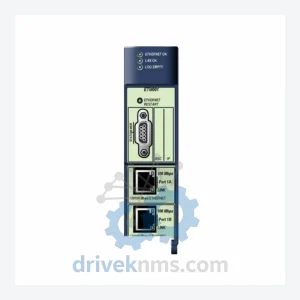
GE IC695ETM001-CC Ethernet Interface Module – Obsolete PACSystems RX3i Spare Part
GE IC695ETM001-CC Ethernet Interface Module – Obsolete PACSystems RX3i Spare Part When a GE PACSystems RX3i Ethernet communication module fails,…
Model: IC695CPE305-ABAH
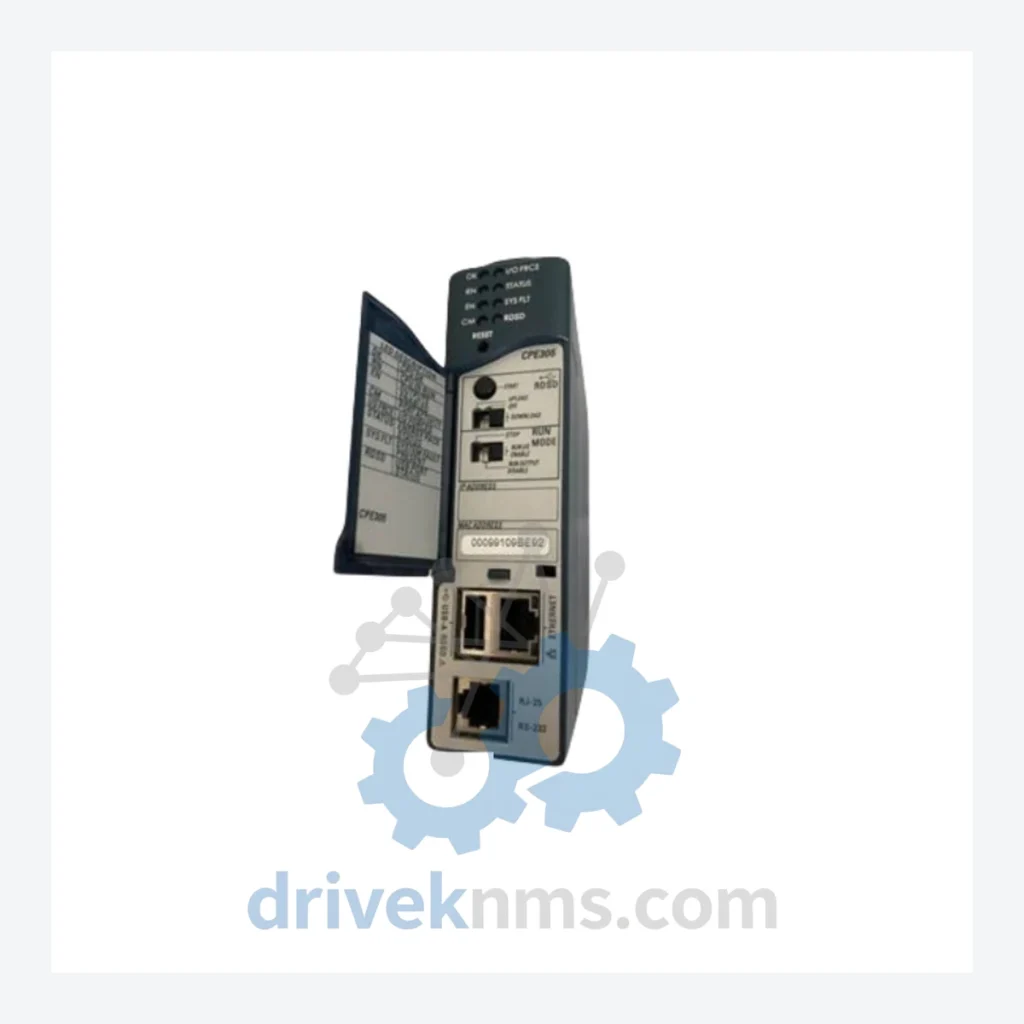
Product Overview
Commercial availability is handled through direct RFQ, model verification and export-oriented follow-up rather than public cart checkout.
Datasheet Preview
Use attached product manuals when available. If the manual is not public yet, request the full file directly through RFQ.
Commercial Path
Product pages on DRIVEKNMS are designed to verify model, brand and series first, then move the buyer into one clean quotation path.
Technical Dossier
The GE PACSystems RX3i platform is one of the most widely deployed programmable automation controller (PAC) architectures in global heavy industry. Installed across petrochemical refineries, nuclear power generation facilities, offshore platforms, LNG terminals, and continuous-process chemical plants, the RX3i backplane-based architecture has served as the control backbone for critical infrastructure since its commercial introduction in the mid-2000s. Its universal backplane design — accepting both legacy Series 90-30 I/O modules and native RX3i high-speed modules — made it the preferred migration path for facilities running GE Series 90-70 and Series 90-30 systems. The IC695CPE305-ABAH is a representative CPU module within this ecosystem, combining onboard Ethernet, embedded logic execution, and deterministic scan-cycle performance suited to safety-adjacent process control environments.
The RX3i platform was introduced by GE Fanuc Automation (later rebranded GE Intelligent Platforms, then GE Automation & Controls, and subsequently absorbed into Emerson under the Movicon/PACSystems portfolio) as a unified controller architecture designed to consolidate the Series 90-30 and Series 90-70 installed base. The original IC695 CPU modules — including the CPE302, CPE305, CPE310, CPE330, and CPE400 — established a tiered performance hierarchy based on program memory, I/O point capacity, and communication throughput.
Early RX3i deployments (2004–2010) relied on the 7-slot and 16-slot universal backplanes (IC695CHS007, IC695CHS016) with dedicated power supply modules. The architecture evolved through firmware generations to support IEC 61131-3 structured programming, C-block function integration, and eventually redundant CPU configurations via the IC695RMX128 redundancy memory xchange module. By 2015, the CPE400 and CPL410 variants introduced Linux-based runtime environments and edge computing capability, marking the platform's transition toward IIoT-compatible control. Legacy CPE305-class modules remain in active service across installed bases where full platform migration is not economically viable, creating sustained demand for certified spare and replacement units.
CPU / Controller Modules
Analog & Digital I/O Modules
Communication & Network Adapter Modules
Power Supply Modules
Several CPE302, CPE305, and ETM001 variants have transitioned to limited-availability or end-of-life status under GE/Emerson's product lifecycle policy. DriveKNMS maintains a dedicated inventory of tested, pull-out, and new-surplus RX3i modules to support facilities that cannot execute full platform migrations within standard maintenance windows. Our sourcing network covers original GE Fanuc production runs, certified refurbished units with full functional test documentation, and cross-referenced compatible replacements where applicable. All units are supplied with traceability documentation and, where available, original firmware revision records to ensure compatibility with existing project configurations. For CPE305-ABAH specifically, we maintain stock across multiple firmware revisions to match customer site requirements without requiring field firmware upgrades.
RX3i modules present specific test challenges due to their backplane-dependent communication architecture and multi-protocol Ethernet stack. DriveKNMS applies a structured test protocol for all RX3i units prior to dispatch. Each CPU module undergoes power-on self-test (POST) verification, Ethernet port continuity and link-speed negotiation testing, USB port enumeration check, and a live scan-cycle execution test using a reference ladder logic program loaded via Proficy Machine Edition. I/O modules are tested under load conditions using calibrated signal sources and measurement equipment to verify channel-level accuracy within published GE specifications. Communication modules are validated against live network segments to confirm protocol handshake and data exchange integrity. All test results are logged per unit serial number and available to customers on request.
Related Paths
GE IC695ETM001-CC Ethernet Interface Module – Obsolete PACSystems RX3i Spare Part When a GE PACSystems RX3i Ethernet communication module fails,…
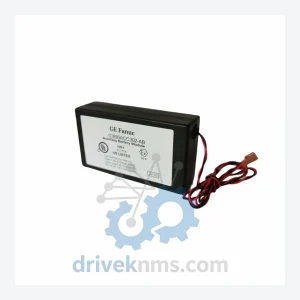
GE IC695ACC302-AB Smart Battery Module – Obsolete PACSystems RX3i Spare Part When a GE PACSystems RX3i installation loses its battery…
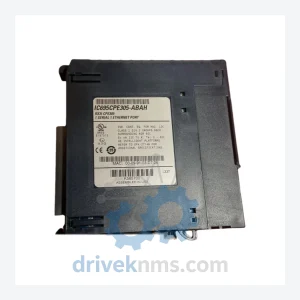
GE Fanuc IC695CPE305CA CPU Module – Obsolete PACSystems RX3i Spare Part When a PACSystems RX3i CPU fails on the production…