
GE UR Series Modules
GE UR Series: Comprehensive Module Range and Technical Overview The GE UR (Universal Relay) Series, developed by GE Grid Solutions…
Model: UR 9GH
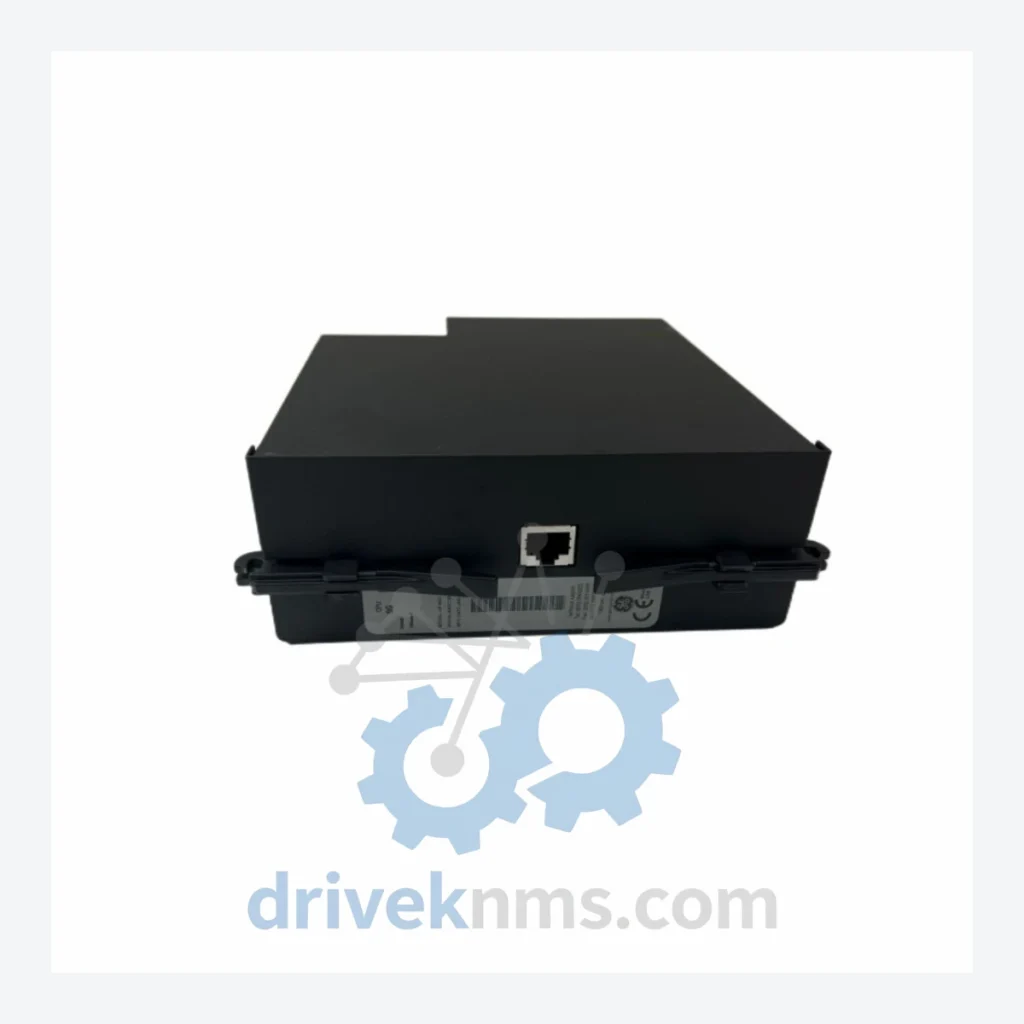
Product Overview
Commercial availability is handled through direct RFQ, model verification and export-oriented follow-up rather than public cart checkout.
Datasheet Preview
Use attached product manuals when available. If the manual is not public yet, request the full file directly through RFQ.
Commercial Path
Product pages on DRIVEKNMS are designed to verify model, brand and series first, then move the buyer into one clean quotation path.
Technical Dossier
The GE UR (Universal Relay) platform, developed by GE Grid Solutions (formerly GE Multilin), is one of the most widely deployed digital protection relay architectures in global heavy industry. UR-series relays are installed across high-voltage substations, chemical processing plants, nuclear generating stations, offshore oil platforms, and petroleum refineries on every continent. The platform's modular hardware architecture — where CPU, I/O, power supply, and communications modules slot into a common chassis — has made it the reference standard for utility-grade protection, control, and monitoring applications since its commercial introduction in the late 1990s. Its IEC 61850 compliance, dual-redundant Ethernet capability, and NERC CIP-compatible cybersecurity features have sustained its specification in new-build and retrofit projects well into the 2020s.
The UR platform launched with the D60 Line Distance Relay and T60 Transformer Protection Relay as its first commercial products, establishing the 8-slot and 14-slot horizontal chassis form factors that remain in production today. Early firmware (pre-4.0x) used a proprietary EnerVista UR Setup communications stack over RS-485 and RS-232 serial interfaces. The transition to firmware 5.x introduced IEC 61850 Edition 1 GOOSE messaging and MMS protocol support, enabling peer-to-peer tripping without hardwired contacts — a critical capability for modern digital substation architectures.
Firmware 7.x added IEC 61850 Edition 2 compliance, IEEE 1588 Precision Time Protocol (PTP) for microsecond-accurate time synchronization, and enhanced cybersecurity aligned with NERC CIP-007. The introduction of the 9-series CPU modules (including the UR 9GH) represented a hardware generation upgrade: faster DSP processing, expanded FlexLogic equation capacity, and support for higher-density I/O configurations. Compatibility between 7-series and 9-series CPUs within the same chassis requires firmware alignment and should be verified against GE's UR Hardware Compatibility Matrix before field substitution.
For installations running firmware below 5.x, direct upgrade paths to 7.x or 9.x-compatible firmware may require intermediate steps and hardware assessment. DriveKNMS maintains a compatibility cross-reference database for UR CPU module substitutions across all firmware generations.
The following SKUs represent verified, commonly stocked modules within the GE UR platform. Modules are classified by functional category.
CPU & Processing Modules
Digital Input (DI) Modules
Digital Output (DO) / Relay Output Modules
Analog Input (AI) Modules
Communications & Networking Modules
Power Supply Modules
GE Grid Solutions has progressively transitioned earlier UR hardware generations (5-series, 6-series) to end-of-active-support status. For substations and industrial facilities operating on long asset lifecycles — common in nuclear, hydro, and petrochemical environments — replacement modules for these generations are no longer available through standard OEM distribution channels.
DriveKNMS maintains a dedicated inventory of tested, pull-out, and refurbished UR series modules across all hardware generations. Our sourcing network covers decommissioned substation equipment, surplus utility inventory, and manufacturer-authorized repair channels. For end-of-life CPU modules such as the UR 6H, UR 7G, and early 8-series I/O boards, DriveKNMS provides documented traceability records and functional test reports with each unit shipped. Lead times for obsolete modules are typically 3–10 business days from confirmed order.
UR series modules present specific test challenges due to their integrated backplane bus architecture and firmware-dependent initialization sequences. DriveKNMS applies the following verification protocol to all UR modules prior to dispatch:
Related Paths
GE UR Series: Comprehensive Module Range and Technical Overview The GE UR (Universal Relay) Series, developed by GE Grid Solutions…
GE UR6DH Digital I/O Module – Critical Spare UR Series Part When a Digital I/O module in a GE UR…
GE UR Series: Comprehensive Module Range and Technical Overview The GE UR (Universal Relay) Series, developed by GE Grid Solutions…