
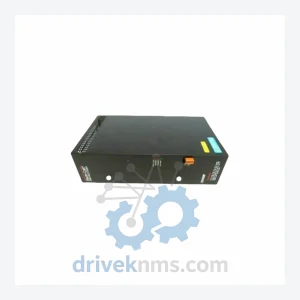
Reliance Electric PSM-50 Modules: PSM-50 9101-3000E PSM50 91013000E
Reliance Electric PSM-50 Series: Comprehensive Module Range and Technical Overview The Reliance Electric PSM-50 series is a family of vibration…
Model: 805401-3S
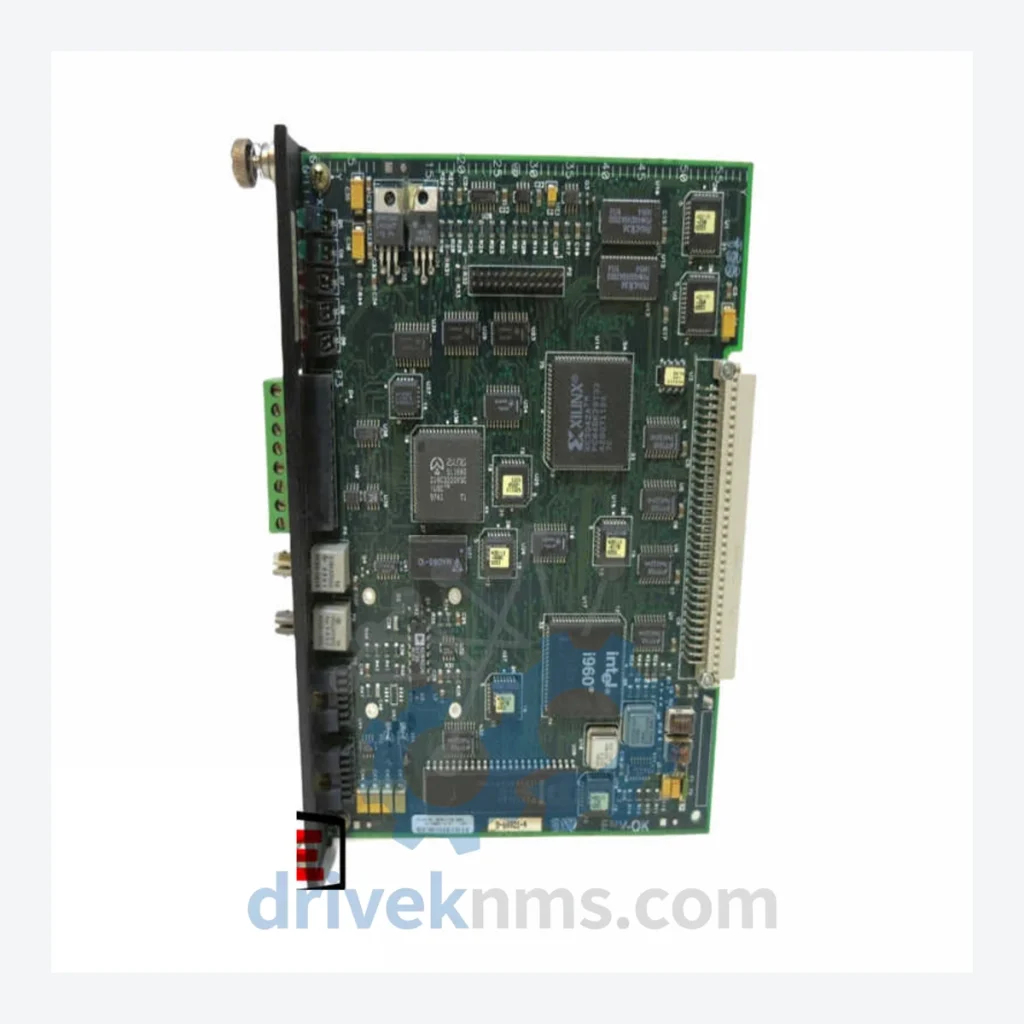
Product Overview
Commercial availability is handled through direct RFQ, model verification and export-oriented follow-up rather than public cart checkout.
Datasheet Preview
Use attached product manuals when available. If the manual is not public yet, request the full file directly through RFQ.
Commercial Path
Product pages on DRIVEKNMS are designed to verify model, brand and series first, then move the buyer into one clean quotation path.
Technical Dossier
The Reliance Electric 805401-3S Rack Assembly is a core structural and backplane component within Reliance Electric's AutoMax and AUTOMAX DCS/PLC platform — a control architecture that achieved widespread deployment across global heavy industry sectors including petrochemical refineries, nuclear power generation auxiliaries, pulp and paper mills, steel rolling mills, and offshore drilling platforms. The 805401-3S rack provides the physical and electrical backbone for housing I/O modules, processor cards, and communication adapters within the AutoMax system enclosure. Its 3-slot configuration makes it suited for compact control panel installations where space is constrained but system integrity cannot be compromised. Installed base units of this rack remain operational in facilities across North America, Europe, and Asia-Pacific, where full system replacement is cost-prohibitive and lifecycle extension is the preferred maintenance strategy.
Reliance Electric introduced the AutoMax control platform in the early 1980s as a distributed control system targeting high-horsepower drive coordination and process automation. The rack assembly family — including the 805401-3S (3-slot), alongside 5-slot, 8-slot, and 12-slot variants — was designed around a proprietary backplane bus that facilitated deterministic communication between the CPU module and peripheral I/O cards. Early rack generations used passive backplane designs; later revisions incorporated active bus termination and improved EMI shielding to meet evolving industrial noise immunity standards (IEC 61000-4 series). The 805401-3S specifically targets installations requiring a minimal footprint — typically used as a remote I/O rack or a dedicated drive interface sub-rack within a larger AutoMax network. Compatibility constraints are significant: modules are keyed to specific rack generations, and mixing early-revision backplanes with late-revision processor cards can result in bus arbitration faults. The AutoMax platform entered end-of-life status following Rockwell Automation's acquisition of Reliance Electric, making original rack assemblies like the 805401-3S a critical spare part category for facilities committed to long-term system retention.
The following SKUs represent verified components within the Reliance Electric AutoMax ecosystem. Each entry is classified by functional category and includes a concise technical descriptor.
Rack Assemblies
805401-3S: 3-slot AutoMax backplane rack assembly, passive bus
805401-5S: 5-slot AutoMax backplane rack, standard I/O expansion
805401-8S: 8-slot rack assembly for high-density I/O configurations
805401-12S: 12-slot full-size rack, primary controller enclosure use
CPU / Processor Modules
57C321: AutoMax CPU module, single-processor, 256KB user memory
57C322: AutoMax dual-processor CPU, enhanced scan rate performance
57C329: AutoMax CPU with expanded memory and coprocessor support
Digital I/O Modules
57C409: 16-channel 24VDC digital input module, sink/source configurable
57C410: 16-channel 24VDC digital output module, 0.5A per point
57C411: 32-channel digital input module, high-density rack format
57C412: 32-channel digital output module, solid-state switching
57C413: 16-channel 120VAC digital input module, optically isolated
57C414: 16-channel 120VAC digital output module, triac output
Analog I/O Modules
57C430: 8-channel analog input, 4–20mA / 0–10V selectable, 12-bit resolution
57C431: 4-channel analog output, 4–20mA, 12-bit DAC, loop-powered
57C432: 16-channel analog input multiplexer module, high-speed scan
Communication / Network Adapters
57C321A: AutoMax network adapter, peer-to-peer token ring interface
57C442: Remote I/O scanner module, AutoMax rack-to-rack link
57C445: DH+ communication adapter for AutoMax-to-PLC5 bridging
Power Supply Modules
805405-1R: AutoMax rack power supply, 5VDC / 24VDC dual-rail output
805405-2R: Redundant power supply module for critical AutoMax rack installations
The Reliance Electric AutoMax platform was formally discontinued following Rockwell Automation's integration of the Reliance product line. OEM production of the 805401-3S rack assembly and associated modules ceased, and no direct Rockwell Automation replacement carries backward compatibility with the AutoMax backplane bus. DriveKNMS maintains a dedicated inventory of tested surplus and refurbished AutoMax components sourced from decommissioned plant equipment, controlled factory closures, and authorized distributor liquidations. For the 805401-3S specifically, DriveKNMS provides: verified physical inspection of backplane connector integrity and bus trace continuity; functional slot-by-slot validation prior to shipment; and documentation of revision level to ensure compatibility with the customer's existing CPU and I/O module revisions. Customers operating AutoMax systems in facilities with 10–25 year remaining operational horizons are advised to establish a strategic spare rack inventory. DriveKNMS can assist with multi-unit procurement planning and long-term consignment storage arrangements.
The 805401-3S rack assembly presents specific quality verification challenges due to its backplane bus architecture. DriveKNMS applies the following test protocol to all AutoMax rack units prior to dispatch:
Backplane Bus Continuity Test: Each of the 96-pin backplane connector positions is verified for continuity and correct impedance using a dedicated AutoMax bus analyzer. Open circuits or elevated resistance on data, address, or power rails result in immediate rejection.
Slot Keying and Guide Rail Inspection: Physical module retention guides are inspected for deformation. Bent or worn guides can cause intermittent module seating faults that manifest as sporadic bus errors under vibration — a common failure mode in heavy industrial environments.
Power Rail Isolation Test: The 5VDC and 24VDC power distribution rails are tested for cross-rail isolation to prevent module damage during installation.
Thermal Cycling Verification: Units sourced from unknown storage conditions undergo a 4-hour thermal cycling procedure (0°C to 55°C) to identify latent solder joint failures on backplane PCB assemblies.
Revision Level Documentation: Each unit is documented with its PCB revision marking and date code to allow customers to verify compatibility with their installed module revisions before shipment.
Related Paths
Reliance Electric PSM-50 Series: Comprehensive Module Range and Technical Overview The Reliance Electric PSM-50 series is a family of vibration…
Reliance Electric PM3328B-6-1-3-E 80026-524-01 Power Supply Module – Obsolete AutoMax Spare Part When a power supply module fails inside a…
Reliance Electric RSP21-120-24 DC Switching Power Supply – Obsolete Automax Spare Part When a DC switching power supply fails inside…