
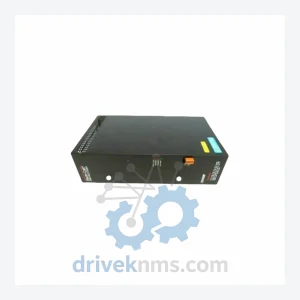
Reliance Electric PSM-50 Modules: PSM-50 9101-3000E PSM50 91013000E
Reliance Electric PSM-50 Series: Comprehensive Module Range and Technical Overview The Reliance Electric PSM-50 series is a family of vibration…
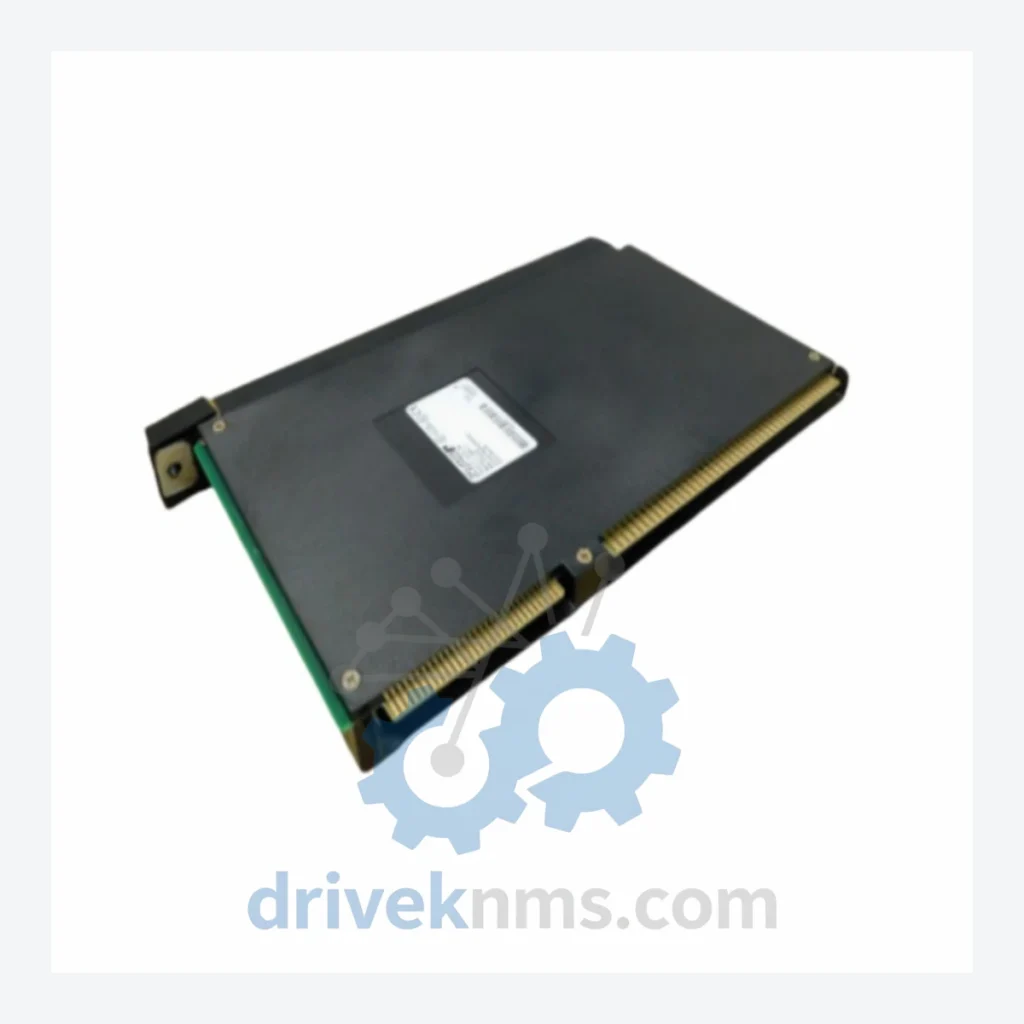
Model: 57C413B
Product Overview
Commercial availability is handled through direct RFQ, model verification and export-oriented follow-up rather than public cart checkout.
Datasheet Preview
Use attached product manuals when available. If the manual is not public yet, request the full file directly through RFQ.
Commercial Path
Product pages on DRIVEKNMS are designed to verify model, brand and series first, then move the buyer into one clean quotation path.
Technical Dossier
The Reliance Electric 57C series represents a foundational control platform deployed across global heavy industry, including petrochemical refineries, nuclear power generation facilities, pulp and paper mills, and continuous-process chemical plants. Engineered under Reliance Electric's AutoMax distributed control architecture, the 57C series provided deterministic scan-cycle control, high-density I/O integration, and multi-rack backplane communication in environments where mean-time-between-failure (MTBF) requirements exceed 100,000 hours. Installed base estimates place the 57C platform in thousands of production-critical applications across North America, Europe, and Asia-Pacific, many of which remain in active service under long-term maintenance contracts. The 57C413B Common Memory Module is a shared-memory arbitration card that enables deterministic data exchange between multiple CPU racks within a single AutoMax control node, making it a single point of continuity for multi-processor configurations.
The 57C platform was introduced by Reliance Electric in the mid-1980s as part of the AutoMax Programmable Controller system, designed to bridge the gap between relay-logic replacements and full distributed control systems (DCS). Early revisions used parallel backplane buses operating at TTL logic levels, with memory modules providing static RAM (SRAM) arbitration between co-resident processors. The architecture evolved through several hardware revisions to address bus contention latency, expanding addressable memory from 16KB in early variants to 256KB+ in later production runs.
Following Rockwell Automation's acquisition of Reliance Electric in 1995, the 57C series was maintained under the Rockwell/Allen-Bradley support umbrella but received no new hardware development. By the early 2000s, the platform entered a formal end-of-life (EOL) phase, with Rockwell discontinuing factory repair services for most 57C modules by 2010. The recommended migration path is to Allen-Bradley ControlLogix (1756 series) or PlantPAx DCS, though the capital cost and process downtime associated with full migration has led the majority of installed-base operators to pursue third-party lifecycle extension strategies instead.
Compatibility note: 57C modules are backplane-specific and are not interchangeable with the earlier 57C300 or 57C400 sub-families without verifying firmware revision and backplane slot addressing. Mixed-revision installations require careful revision-level matching to avoid bus arbitration faults.
CPU & Controller Modules
Memory Modules
Digital I/O Modules
Analog I/O Modules
Communication & Adapter Modules
Power Supply Modules
The 57C series has been formally discontinued by Rockwell Automation. OEM factory repair and new-manufacture availability ceased for the majority of modules between 2008 and 2015. DriveKNMS maintains a dedicated inventory of tested surplus and refurbished 57C modules sourced from decommissioned plant equipment, controlled-environment warehouses, and verified industrial surplus channels.
For the 57C413B specifically, DriveKNMS stocks units that have passed full functional verification including shared-memory arbitration cycle testing, bus termination resistance measurement, and SRAM data retention validation. All units are shipped with a documented test report. Exchange programs are available for core-return credit. Lead times for in-stock units are typically 1–3 business days for international shipment.
For operators running multi-CPU AutoMax nodes where the 57C413B is the sole arbitration point, DriveKNMS recommends maintaining a minimum of one cold-spare unit on-site. Failure of the common memory module in a multi-processor configuration results in a full node fault with no graceful degradation path.
All 57C series modules received by DriveKNMS undergo a structured incoming inspection and functional test protocol before being listed as available inventory. The process for memory and CPU modules includes: visual inspection for PCB damage, corrosion, and component substitution; SRAM cell integrity test using a walking-ones/walking-zeros pattern across the full address space; backplane edge connector resistance measurement (target: <0.1Ω per pin); bus arbitration timing verification using a dedicated AutoMax backplane test fixture; and 48-hour burn-in at 45°C ambient to screen for early-life failures.
For I/O modules, each channel is individually stimulated and measured against the published accuracy specification. Analog modules are calibrated using NIST-traceable reference standards. Digital output modules are load-tested at 100% rated current per channel. All test data is retained for a minimum of 5 years and is available to customers on request.
Modules that fail any test parameter are either repaired to specification by component-level technicians or quarantined and scrapped. No module is listed as available inventory without a passing test record.
Related Paths
Reliance Electric PSM-50 Series: Comprehensive Module Range and Technical Overview The Reliance Electric PSM-50 series is a family of vibration…
Reliance Electric PM3328B-6-1-3-E 80026-524-01 Power Supply Module – Obsolete AutoMax Spare Part When a power supply module fails inside a…
Reliance Electric RSP21-120-24 DC Switching Power Supply – Obsolete Automax Spare Part When a DC switching power supply fails inside…