
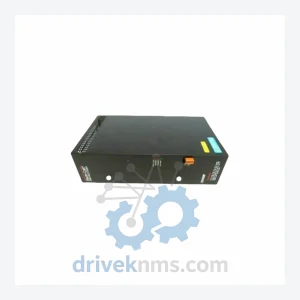
Reliance Electric PSM-50 Modules: PSM-50 9101-3000E PSM50 91013000E
Reliance Electric PSM-50 Series: Comprehensive Module Range and Technical Overview The Reliance Electric PSM-50 series is a family of vibration…
Model: S-D4007-E S-D4007
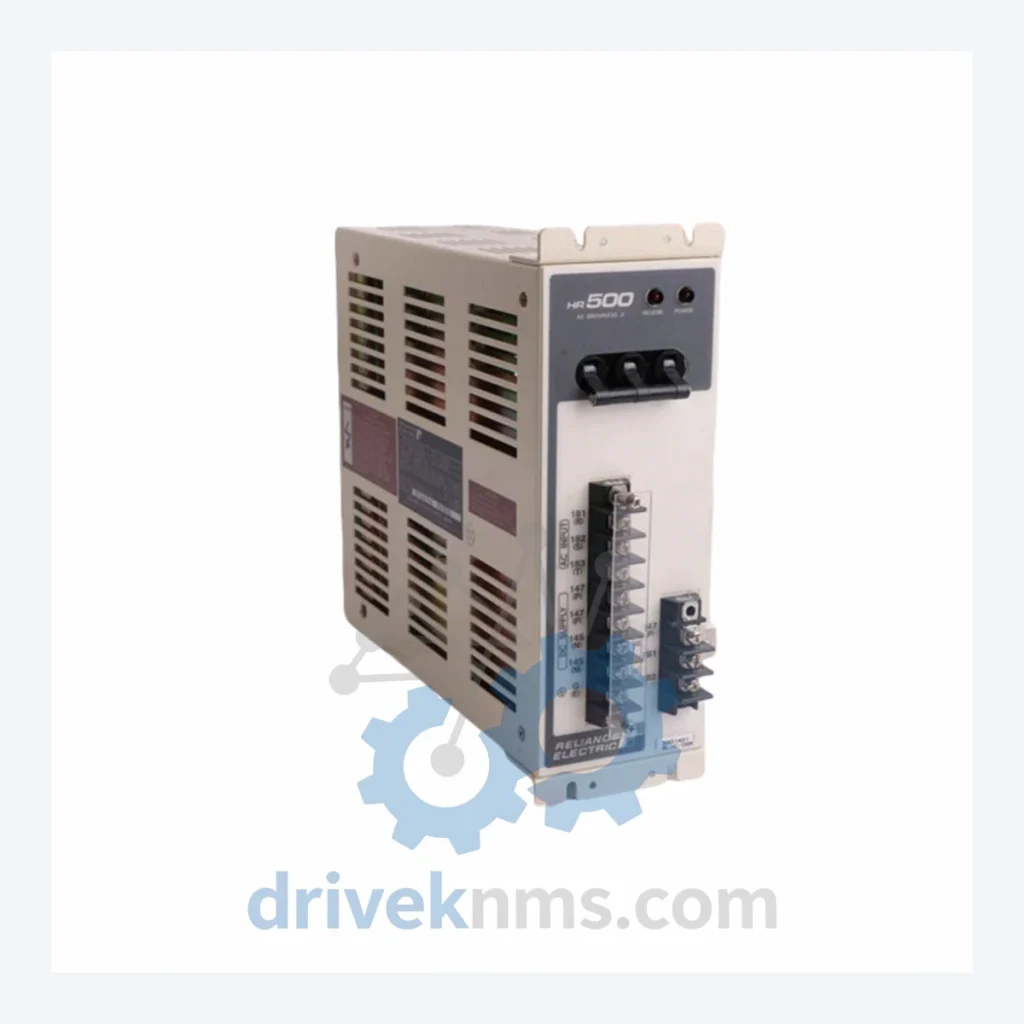
Product Overview
Commercial availability is handled through direct RFQ, model verification and export-oriented follow-up rather than public cart checkout.
Datasheet Preview
Use attached product manuals when available. If the manual is not public yet, request the full file directly through RFQ.
Commercial Path
Product pages on DRIVEKNMS are designed to verify model, brand and series first, then move the buyer into one clean quotation path.
Technical Dossier
The Reliance Electric S-D4007 / S-D4007-E Network S Module is a communication interface module designed for the Reliance Electric AutoMax Distributed Control System (DCS). This series has been deployed extensively across global heavy industry sectors including petrochemical refineries, nuclear power auxiliary systems, pulp and paper mills, steel rolling mills, and offshore oil platforms. The AutoMax platform, of which the S-D4007 family is a core network component, achieved widespread adoption throughout the 1980s and 1990s as a high-reliability, rack-based distributed control architecture. Installed base counts in the tens of thousands of racks globally, making long-term spare parts availability a critical operational concern for plant maintenance engineers.
The S-D4007 series was introduced as part of the Reliance Electric AutoMax DCS platform, which succeeded earlier Reliance drive-based control architectures. The AutoMax system used a proprietary high-speed serial network — the AutoMax Network — to link processor racks, I/O racks, and operator interface stations. The S-D4007 and its variant S-D4007-E serve as the physical and logical interface between the rack backplane and this network layer.
Early revisions of the module supported single-port network connectivity. The S-D4007-E variant introduced enhanced diagnostics and extended temperature tolerance, making it suitable for harsher industrial enclosures. As Rockwell Automation absorbed Reliance Electric in 1995, the AutoMax platform entered a managed lifecycle phase. No direct successor module was released under the AutoMax brand; migration paths typically involve full system replacement with Allen-Bradley ControlLogix or PlantPAx architectures. This means the S-D4007 / S-D4007-E has entered a permanent obsolescence phase with no new production, placing the entire installed base in dependency on secondary market spare parts and refurbished stock.
Compatibility note: The S-D4007-E is backward-compatible with S-D4007 slots in standard AutoMax racks. Firmware revision must be verified against the host processor module revision to ensure network synchronization.
The following SKUs represent the verified AutoMax S-D4007 series and closely associated network and I/O modules within the same platform ecosystem. Each entry reflects a distinct hardware function within the AutoMax rack architecture.
S-D4007: AutoMax Network S Module, single-port serial network interface for rack-to-rack communication.
S-D4007-E: Enhanced Network S Module, extended diagnostics, improved EMI tolerance, drop-in replacement for S-D4007.
S-D4005: AutoMax Network A Module, alternate network port configuration for multi-drop topologies.
S-D4006: AutoMax Network B Module, secondary network channel for redundant communication paths.
S-D4010: AutoMax Processor Module, 32-bit CPU for ladder logic and function block execution.
S-D4011: AutoMax Enhanced Processor Module, increased scan rate and expanded memory over S-D4010.
S-D4020: AutoMax Digital Input Module, 16-channel 24VDC discrete input for field device monitoring.
S-D4021: AutoMax Digital Output Module, 16-channel 24VDC discrete output for actuator control.
S-D4022: AutoMax Analog Input Module, 8-channel 4–20mA/0–10V configurable analog input.
S-D4023: AutoMax Analog Output Module, 4-channel 4–20mA analog output for control valve positioning.
S-D4030: AutoMax Power Supply Module, 24VDC rack power distribution with over-current protection.
S-D4031: AutoMax Redundant Power Supply Module, hot-standby power for critical process racks.
S-D4040: AutoMax Remote I/O Adapter, extends I/O capacity to remote rack locations via network link.
S-D4050: AutoMax Operator Interface Module, local HMI port for panel-mounted display integration.
S-D4060: AutoMax Specialty Communications Module, supports third-party protocol bridging (Modbus, DH+).
S-D4070: AutoMax Axis Control Module, closed-loop drive interface for Reliance variable frequency drives.
S-D4080: AutoMax High-Speed Counter Module, pulse input for encoder and flow meter applications.
The S-D4007 and S-D4007-E have been discontinued by Rockwell Automation with no announced remanufacturing program. Plants operating AutoMax systems must source replacement modules exclusively through the secondary market. DriveKNMS maintains a dedicated inventory program for AutoMax platform components, with particular focus on network interface modules including the S-D4007 series.
DriveKNMS sourcing capabilities for the S-D4007 range include: verified pull stock from decommissioned AutoMax installations, refurbished modules with full functional restoration, cross-reference matching for S-D4007 to S-D4007-E substitution, and emergency same-week dispatch for critical plant shutdowns. Long-term maintenance contracts are available for facilities requiring guaranteed stock reservation across multi-year maintenance windows.
The S-D4007 and S-D4007-E modules incorporate a proprietary backplane bus interface and a dedicated network transceiver circuit. Standard bench testing is insufficient to validate network-layer functionality. DriveKNMS applies a multi-stage test protocol specific to AutoMax network modules:
Stage 1 — Visual and mechanical inspection: connector pin integrity, PCB trace continuity, capacitor ESR measurement, and corrosion assessment on backplane edge connectors. Stage 2 — Powered functional test: module is installed in a live AutoMax test rack and powered through a verified S-D4030 power supply. Network token-passing behavior is monitored via protocol analyzer. Stage 3 — Network communication validation: the module is enrolled in a two-rack AutoMax network and data exchange is verified at rated baud rate over a minimum 4-hour soak period. Stage 4 — Thermal cycling: modules are cycled between 0°C and 55°C to identify latent solder joint failures common in aged PCB assemblies. All modules are shipped with a test report and a 12-month functional warranty.
Related Paths
Reliance Electric PSM-50 Series: Comprehensive Module Range and Technical Overview The Reliance Electric PSM-50 series is a family of vibration…
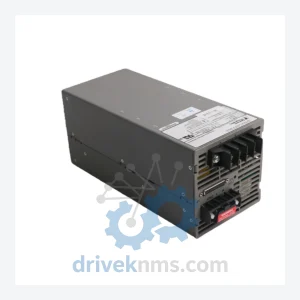
Reliance Electric PM3328B-6-1-3-E 80026-524-01 Power Supply Module – Obsolete AutoMax Spare Part When a power supply module fails inside a…
Reliance S-D4006-D I/O Digital Module – Obsolete AutoMate Series Spare Part When a Reliance Electric I/O digital module fails in…