
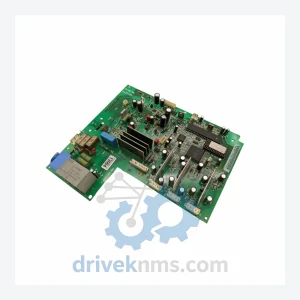
ABB SNAT-7120 Circuit Board – SNAZ7120J Series
ABB SNAT-7120 / SNAZ7120J Circuit Board: Sourcing Strategy & Asset Return Value in a Constrained Global Supply Chain The ABB…
Model: TKS-P20-541I-N001
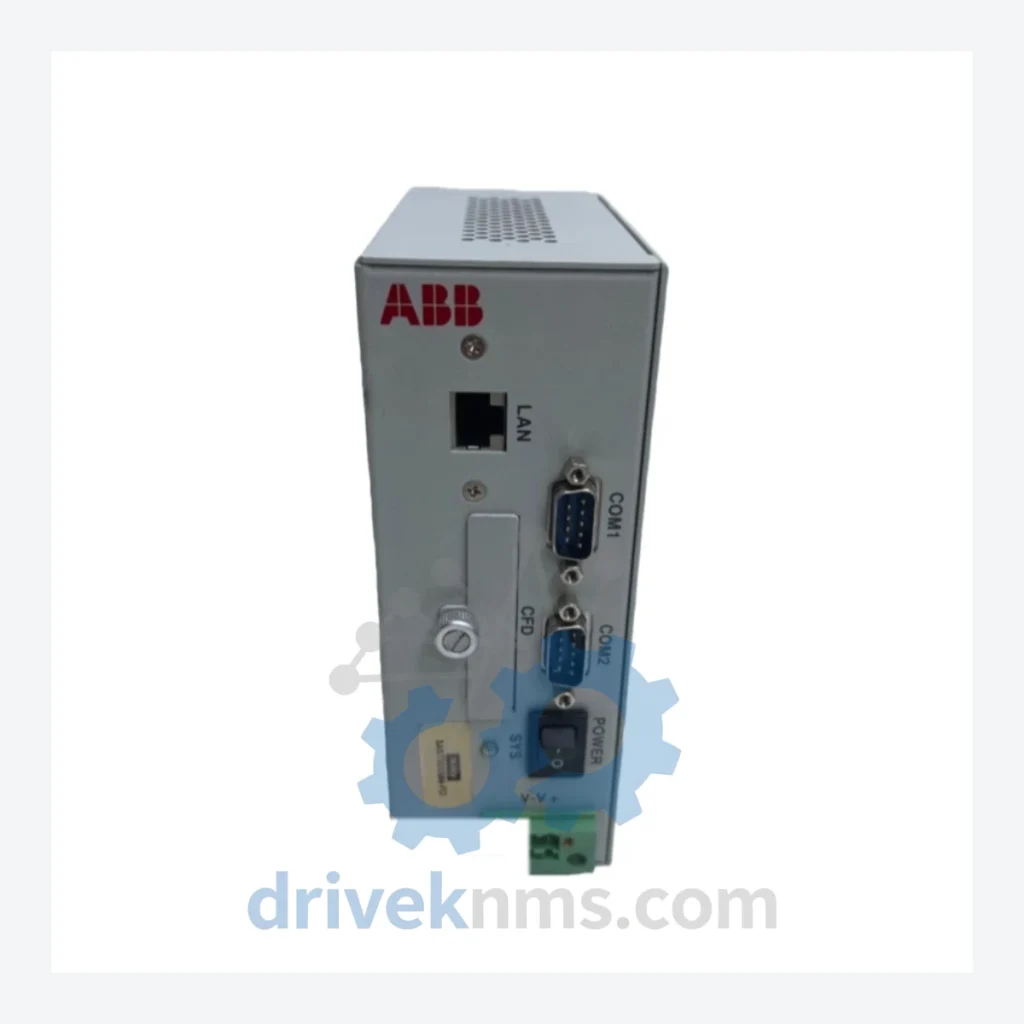
Product Overview
Commercial availability is handled through direct RFQ, model verification and export-oriented follow-up rather than public cart checkout.
Datasheet Preview
Use attached product manuals when available. If the manual is not public yet, request the full file directly through RFQ.
Commercial Path
Product pages on DRIVEKNMS are designed to verify model, brand and series first, then move the buyer into one clean quotation path.
Technical Dossier
The ABB TKS series is a family of embedded controller and I/O modules deployed extensively across global heavy industry, including petrochemical refineries, nuclear power facilities, offshore platforms, and large-scale chemical processing plants. Built on ABB's industrial automation architecture, TKS modules serve as the computational and signal-conditioning backbone within distributed control system (DCS) and programmable logic controller (PLC) environments. Their ruggedized design meets the continuous-duty requirements of facilities operating under IEC 61511 and IEC 61508 functional safety standards. Installed base spans multiple decades, making lifecycle parts management a critical operational concern for plant engineers and maintenance teams worldwide.
The TKS platform originated as part of ABB's modular embedded controller strategy, designed to provide deterministic real-time processing within rack-mounted backplane assemblies. Early-generation TKS modules used parallel backplane buses with proprietary ABB communication protocols, limiting interoperability to same-generation hardware. Mid-generation revisions introduced dual-redundancy support and expanded I/O channel density, addressing the reliability requirements of safety-instrumented systems (SIS). Later variants incorporated fieldbus interfaces (PROFIBUS-DP, HART) and Ethernet-based diagnostics, enabling integration with modern SCADA and asset management platforms. As of 2026, the TKS series is in a mature-to-end-of-life phase. ABB has transitioned new project specifications toward the AC500 and System 800xA platforms. However, the installed base of TKS hardware in brownfield facilities remains substantial, and direct hardware replacement is not economically viable for most operators. Long-term maintenance support — including spare module sourcing, repair, and functional testing — is the primary operational requirement for TKS-equipped plants.
The following SKUs represent verified, commonly traded modules within the ABB TKS series. Each entry reflects the module's primary function within a TKS rack assembly.
Embedded Controllers / CPU Modules
Analog Input (AI) Modules
Analog Output (AO) Modules
Digital Input (DI) Modules
Digital Output (DO) Modules
Communication & Fieldbus Adapters
Power Supply Modules
ABB has formally discontinued active production of the majority of TKS series modules. Standard ABB distribution channels no longer carry new stock for most SKUs in this family. DriveKNMS maintains a dedicated inventory of TKS spare parts sourced through verified industrial surplus channels, decommissioned plant buybacks, and authorized secondary market suppliers. For operators managing TKS-equipped systems through extended plant lifecycles — typically 15 to 30 years in refinery and nuclear applications — DriveKNMS provides a structured lifecycle extension service. This includes: identification of functional equivalents where direct replacements are unavailable; cross-referencing of legacy part numbers against current ABB catalog revisions; and provision of tested, serialized modules with full traceability documentation. Requests for obsolete or low-availability TKS SKUs are processed within one business day. Emergency procurement support is available for unplanned outage scenarios.
TKS modules present specific testing challenges due to their proprietary backplane communication protocol and multi-layer PCB construction. DriveKNMS applies a structured inspection and functional verification process to all TKS inventory prior to dispatch. Each module undergoes visual inspection for physical damage, corrosion, and component integrity. Backplane connector pins are inspected under magnification and cleaned to IPC-A-610 Class 2 standards. Functional testing is performed using ABB-compatible rack test fixtures that replicate live backplane bus conditions, verifying correct module initialization, channel-level I/O response, and communication handshake with the controller. Modules with onboard firmware are verified against the last known stable revision. All tested units are assigned a unique inspection record and shipped with a test certificate. Modules that fail any stage of the test protocol are quarantined and not returned to saleable inventory.
Related Paths
ABB SNAT-7120 / SNAZ7120J Circuit Board: Sourcing Strategy & Asset Return Value in a Constrained Global Supply Chain The ABB…
ABB AC500 Series: Comprehensive Module Range and Technical Overview The ABB AC500 is a scalable modular PLC platform deployed across…
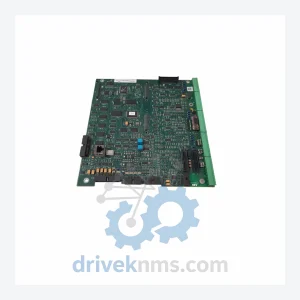
ABB SCDCS-CON-4 Control Board – Obsolete DCS Spare Part When a single control board fails in a legacy distributed control…