
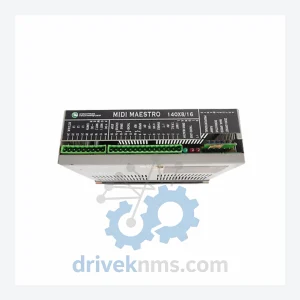
Control Techniques MAESTRO Modules: MAESTRO 140X8/16
Control Techniques MAESTRO Series: Comprehensive Module Range and Technical Overview The Control Techniques MAESTRO series is a multi-axis motion controller…
Model: UNI2403
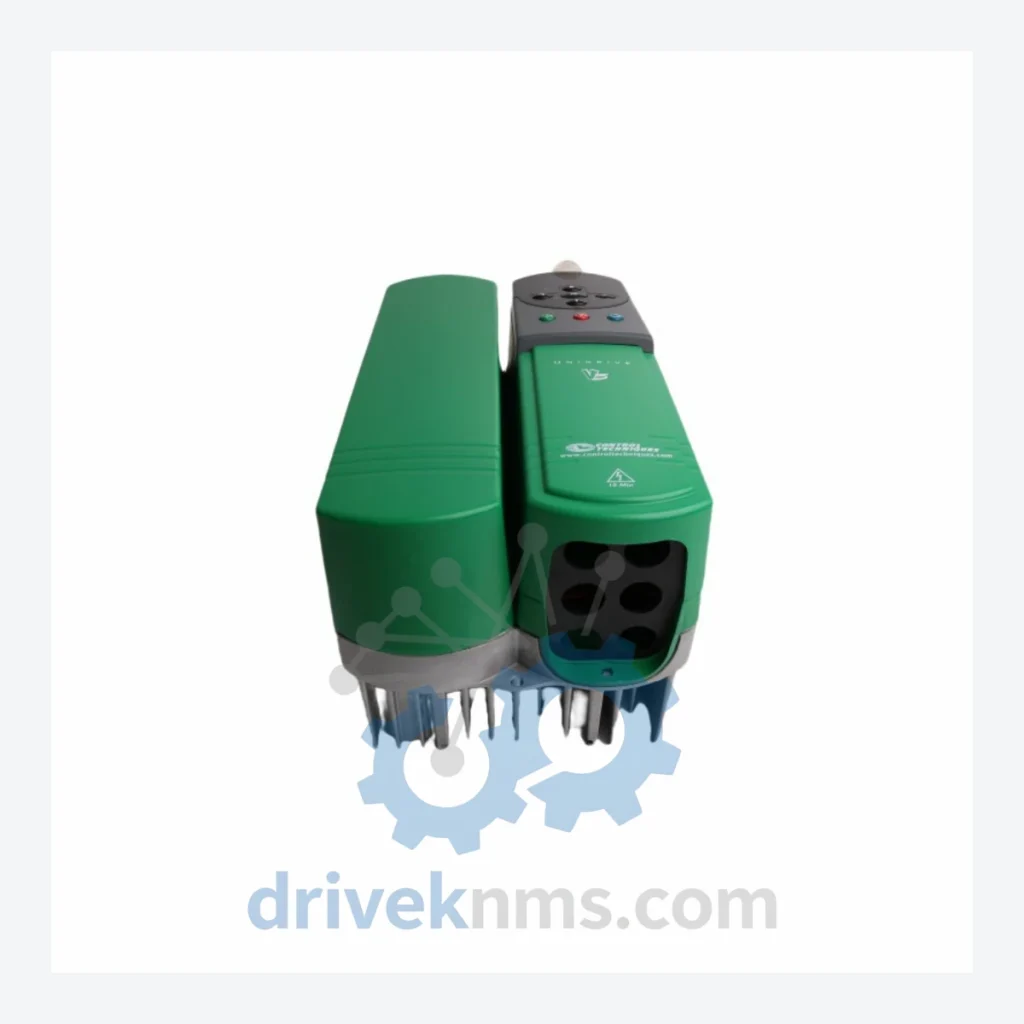
Product Overview
Commercial availability is handled through direct RFQ, model verification and export-oriented follow-up rather than public cart checkout.
Datasheet Preview
Use attached product manuals when available. If the manual is not public yet, request the full file directly through RFQ.
Commercial Path
Product pages on DRIVEKNMS are designed to verify model, brand and series first, then move the buyer into one clean quotation path.
Technical Dossier
The Control Techniques Unidrive series is a family of AC variable speed drives engineered for demanding industrial environments. Deployed extensively across petrochemical refineries, offshore platforms, power generation facilities, pulp and paper mills, and heavy manufacturing plants, the Unidrive platform has maintained a significant installed base globally since its introduction in the mid-1990s. Its open-loop and closed-loop vector control architecture, combined with multi-mode operation (open-loop, closed-loop flux vector, servo, and regenerative), made it a preferred choice for OEMs and system integrators requiring a single drive platform across multiple application types. The series covers output power ratings from fractional kW up to several hundred kW, with voltage classes spanning 200V, 400V, and 690V three-phase supply.
The original Unidrive (Classic) platform launched circa 1994 established the modular hardware philosophy that persisted through subsequent generations. The Classic series used a dedicated option module slot system for encoder feedback, fieldbus communications, and I/O expansion — a design that influenced the entire product line. Frame sizes 1 through 6 covered the full power range, with the larger frames (5 and 6) requiring external EMC filters and line reactors as separate accessories.
The transition to Unidrive SP (circa 2002) introduced a revised control board architecture with enhanced DSP processing, improved auto-tuning algorithms, and a standardized SM (Solutions Module) slot system. The SP platform added native support for PROFIBUS-DP, DeviceNet, CANopen, and Modbus RTU via plug-in SM modules, replacing the proprietary option cards of the Classic generation. This created a compatibility break: Classic option modules are not interchangeable with SP Solutions Modules.
The Unidrive M series (introduced circa 2012) represents the current-generation platform, featuring onboard Ethernet connectivity, integrated safety functions (STO — Safe Torque Off, to SIL 2 / PLd), and a revised parameter structure. Unidrive M is not backward-compatible with SP or Classic option modules. Sites running Classic or SP hardware must source original-specification spare parts or undertake a full drive replacement program when migrating to the M series.
The UNI-prefix model numbering (e.g., UNI2403) is specific to the Unidrive Classic generation. The numeric code encodes frame size and current rating. As the Classic series has reached end-of-life, long-term maintenance depends on the availability of new-old-stock (NOS) and refurbished units from specialist distributors.
The following SKUs represent verified models within the Control Techniques Unidrive Classic and SP series. Each entry reflects the standard catalog designation used in original documentation.
Unidrive Classic — UNI Series (200V / 400V AC Input)
Unidrive SP — SP Series (400V AC Input)
The Unidrive Classic series (UNI-prefix models) was formally discontinued by Control Techniques (now a Nidec brand). OEM spare parts supply through standard distribution channels has ceased for the majority of Classic frame sizes. Sites with installed Classic drives face three options: scheduled replacement with Unidrive M equivalents, cannibalizing decommissioned units, or sourcing from specialist aftermarket suppliers.
DriveKNMS maintains a dedicated inventory program for end-of-life Control Techniques products. Stock is sourced through verified decommissioning projects, OEM overstock liquidations, and long-term storage facilities. All units are cataloged by part number, firmware revision where applicable, and physical condition grade prior to listing. For the UNI2403 and adjacent frame sizes, DriveKNMS holds both complete drive units and individual sub-assemblies including control boards, power boards, and gate driver cards.
For sites requiring ongoing maintenance contracts covering Unidrive Classic hardware, DriveKNMS offers a reserved-stock arrangement: units are held against a specific site's installed base and released on demand, reducing unplanned downtime risk for critical process applications.
Each Unidrive Classic and SP unit processed by DriveKNMS undergoes a structured inspection and functional test protocol before dispatch. The procedure addresses the specific failure modes documented for this series:
Related Paths
Control Techniques MAESTRO Series: Comprehensive Module Range and Technical Overview The Control Techniques MAESTRO series is a multi-axis motion controller…
Control Techniques UNI2402 AC Drive – Obsolete Unidrive Spare Part When a UNI2402 drive fails on a production line built…
Control Techniques Unidrive Series: Comprehensive Module Range and Technical Overview The Control Techniques Unidrive series is a high-performance AC variable…