
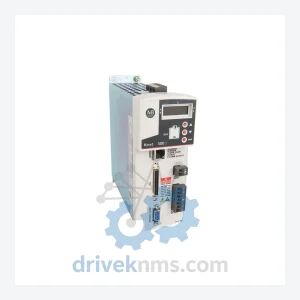
Bombardier DCC Series Modules: DCC2223A 3EST125-977 Drive Control Unit —
Bombardier DCC Series: Comprehensive Module Range and Technical Overview The Bombardier DCC (Drive Control Card) series represents a core control…
Model: 3EST000212-0728
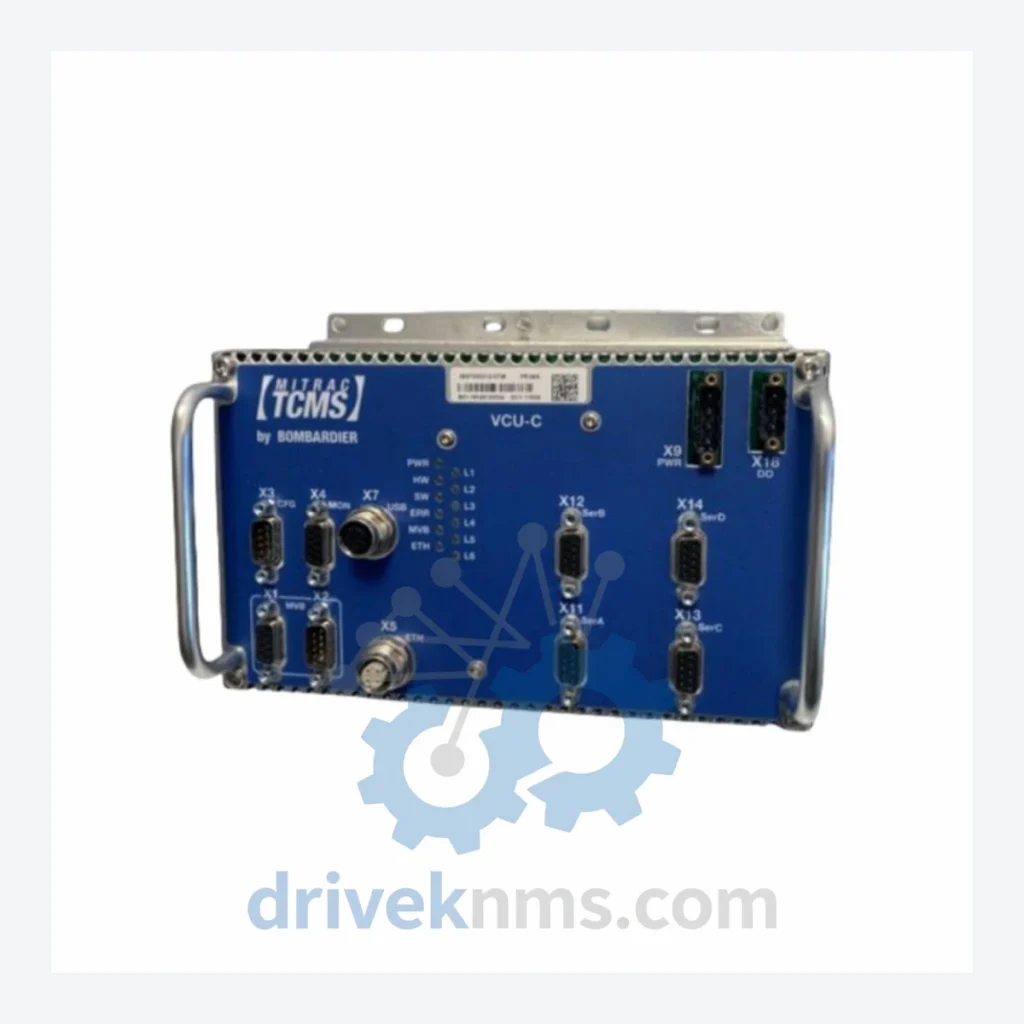
Product Overview
Commercial availability is handled through direct RFQ, model verification and export-oriented follow-up rather than public cart checkout.
Datasheet Preview
Use attached product manuals when available. If the manual is not public yet, request the full file directly through RFQ.
Commercial Path
Product pages on DRIVEKNMS are designed to verify model, brand and series first, then move the buyer into one clean quotation path.
Technical Dossier
The Bombardier 3EST series represents a core family of input/output and control modules deployed across heavy rail traction systems, metro transit networks, and industrial drive platforms globally. Manufactured under Bombardier Transportation's MITRAC traction control architecture, these modules are embedded in rolling stock and trackside control cabinets across Europe, Asia, and North America. Installation bases include high-speed rail (HSR) fleets, urban metro systems, and diesel-electric locomotive control systems. The 3EST series is characterized by its ruggedized backplane design, deterministic real-time bus communication, and compliance with EN 50155 (railway electronic equipment) and IEC 61131-3 (programmable controllers). These modules are found in service at major rail operators including Deutsche Bahn, SNCF, Amtrak, and numerous metro authorities, making long-term spare parts availability a critical operational concern for fleet maintenance engineers.
The 3EST module family originated from Bombardier's MITRAC (Modular Integrated Traction and Automation Control) platform, developed in the late 1990s as a successor to earlier discrete relay-based traction control systems. The first-generation 3EST modules used parallel backplane communication with proprietary Bombardier bus protocols. By the mid-2000s, the architecture evolved to support MVB (Multifunction Vehicle Bus, IEC 61375-1) and WTB (Wire Train Bus) communication layers, enabling train-wide distributed control. The third-generation variants introduced redundant CPU configurations and expanded I/O density per slot. Compatibility between generations is constrained: first-generation backplanes do not accept third-generation CPU modules without firmware bridge adapters. As of 2024, the 3EST series has entered the mature/end-of-life phase. Bombardier Transportation (now Alstom following the 2021 acquisition) has formally discontinued new production of most 3EST variants. Maintenance engineers must source replacement modules from certified aftermarket suppliers. Firmware versions are locked to specific hardware revisions; substitution requires validation against the vehicle's TCMS (Train Control and Management System) configuration file.
The following SKUs represent verified, commonly deployed modules within the Bombardier 3EST series, categorized by functional type:
Input/Output Modules
CPU / Controller Modules
Communication / Network Adapter Modules
Power Supply Modules
The 3EST series presents specific technical challenges during refurbishment and testing due to its proprietary backplane bus architecture and multi-layer PCB construction. DriveKNMS applies the following test protocol to all 3EST modules prior to dispatch:
Related Paths
Bombardier DCC Series: Comprehensive Module Range and Technical Overview The Bombardier DCC (Drive Control Card) series represents a core control…
Bombardier 3EST27-99 Transmission Interface Module: Global Sourcing Strategy & Asset Return Value The Bombardier 3EST27-99 Transmission Interface Module is a…
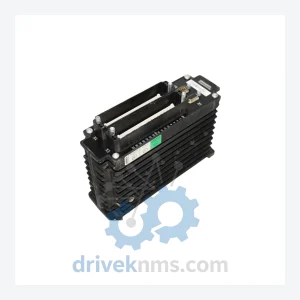
Bombardier 3EST Series: Comprehensive Module Range and Technical Overview The Bombardier 3EST series represents a critical tier of modular control…