
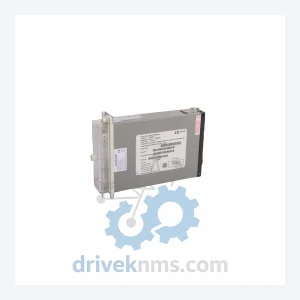
ALSTOM MVAJ105RA0802A Protection Relay – MiCOM Series
ALSTOM MVAJ105RA0802A Protection Relay: Supply Continuity Strategy for a Discontinued Critical Component The ALSTOM MVAJ105RA0802A is a numerical protection relay…
Model: TTM211 IP166 L54E60000311
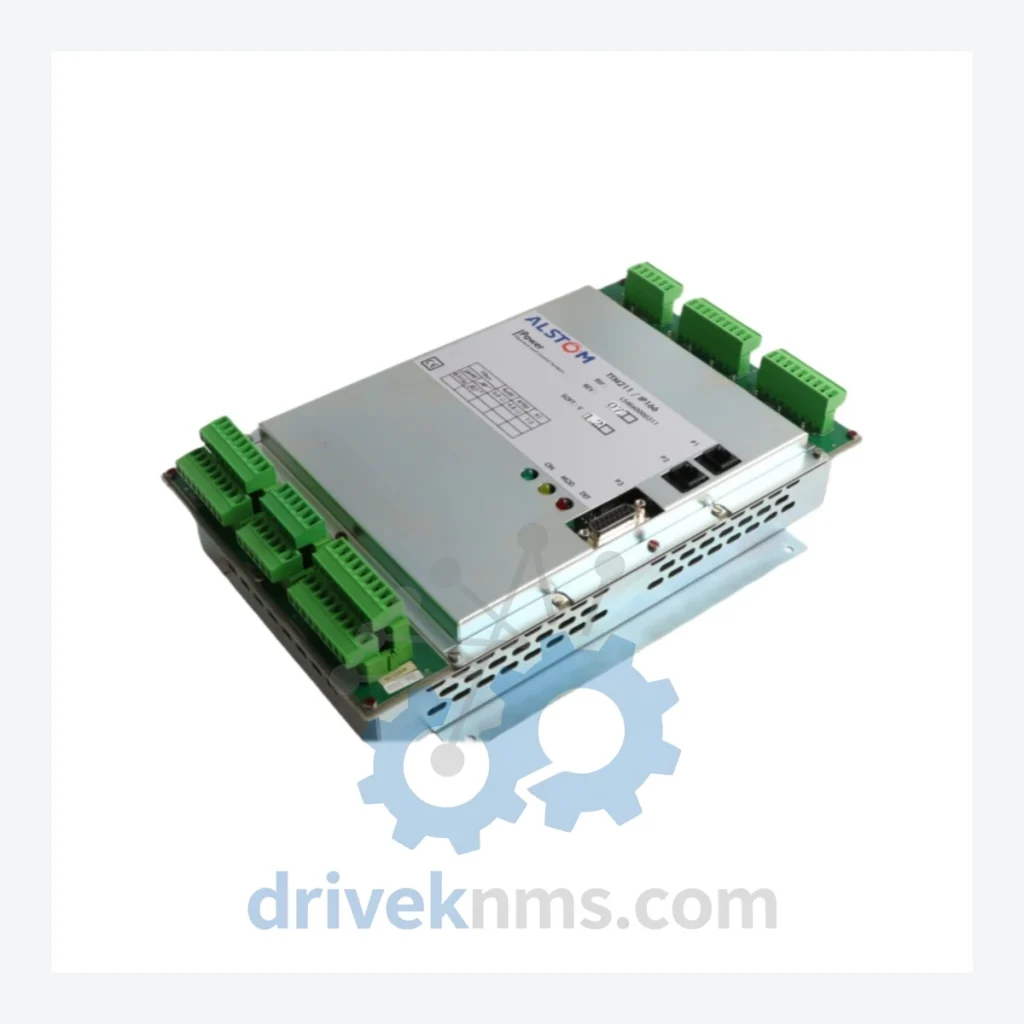
Product Overview
Commercial availability is handled through direct RFQ, model verification and export-oriented follow-up rather than public cart checkout.
Datasheet Preview
Use attached product manuals when available. If the manual is not public yet, request the full file directly through RFQ.
Commercial Path
Product pages on DRIVEKNMS are designed to verify model, brand and series first, then move the buyer into one clean quotation path.
Technical Dossier
The ALSTOM TTM211 series represents a purpose-engineered family of turbine control and monitoring modules deployed across heavy industrial installations worldwide, including gas turbine power plants, combined-cycle facilities, nuclear auxiliary systems, and petrochemical process units. Developed under ALSTOM's industrial automation division (subsequently integrated into GE Power and later GE Vernova following the 2015 acquisition), the TTM211 platform established a standardized backplane architecture for turbine management systems (TMS) that remains operational in a significant installed base across Europe, the Middle East, and Asia-Pacific. Its modular I/O structure, deterministic scan cycle, and compatibility with ALSTOM's proprietary communication buses made it a preferred solution for OEM turbine skid integrators and EPC contractors specifying long-lifecycle control infrastructure.
The TTM211 architecture was introduced as part of ALSTOM's second-generation turbine management platform, succeeding earlier relay-logic and first-generation programmable systems. The series adopted a VME-compatible card cage format with a proprietary high-speed backplane bus, enabling deterministic inter-module communication critical for turbine protection and sequencing applications. Early TTM211 variants (circa late 1990s–early 2000s) focused on analog input conditioning and thermocouple signal processing for exhaust gas temperature (EGT) monitoring arrays — a core requirement in gas turbine control. Subsequent revisions introduced digital I/O expansion cards, redundant CPU configurations, and serial communication adapters supporting Modbus RTU and ALSTOM's internal fieldbus protocols. The IP166 sub-family, to which the TTM211 IP166 L54E60000311 belongs, denotes a specific hardware revision level and firmware compatibility class within the TTM211 ecosystem, governing backplane slot assignment, interrupt handling, and inter-module handshaking. As GE Power absorbed the ALSTOM industrial controls portfolio post-2015, the TTM211 series entered a maintenance-only lifecycle phase. No direct form-fit-function replacement exists within the current GE Vernova catalog; end users are required to source original spare modules or pursue full control system migration projects. This lifecycle status elevates the criticality of maintaining an adequate spare parts inventory for sites still operating TTM211-based TMS installations.
The following SKUs represent verified components within the ALSTOM TTM211 series, organized by functional category. Each module is designed for slot-specific installation within the TTM211 card cage and is not interchangeable across functional categories without engineering authorization.
Turbine Control & CPU Modules
Analog Input Modules (AI)
Digital Input / Output Modules (DI / DO)
Communication & Network Adapter Modules
Power Supply Modules
The TTM211 series has been in a manufacturer end-of-life (EOL) status since the mid-2010s. ALSTOM's industrial controls division no longer produces or provides factory repair services for TTM211 modules under the GE Vernova portfolio. For operators of gas turbines, steam turbines, and combined-cycle plants still running TTM211-based TMS, unplanned module failure presents a significant operational risk — replacement lead times through OEM channels are typically measured in months, if available at all. DriveKNMS maintains a dedicated inventory of TTM211 series modules sourced from decommissioned plant equipment, controlled surplus channels, and verified third-party refurbishers. All units are cataloged by part number, hardware revision, and firmware version to ensure compatibility with the target installation's backplane revision. For critical spares planning, DriveKNMS can assist with multi-unit procurement to establish an on-site buffer stock aligned with the plant's maintenance interval schedule. Customers operating multiple TTM211 installations across different sites are encouraged to submit consolidated parts lists for volume pricing assessment.
TTM211 modules present specific quality verification challenges due to their proprietary backplane bus protocol and the absence of publicly available diagnostic software from the OEM. DriveKNMS applies a structured multi-stage inspection and functional test protocol to all TTM211 units prior to dispatch. Visual inspection covers PCB condition, component integrity, connector pin alignment, and conformal coating status — critical for modules previously installed in high-humidity or chemically aggressive turbine hall environments. Backplane communication verification is performed using a TTM211-compatible card cage test fixture that validates slot addressing, interrupt response, and inter-module data exchange at the hardware level. For analog input modules (AI8, AI16, TC8, TC16, RTD8), signal conditioning accuracy is verified against calibrated reference sources across the full input range. Digital I/O modules are tested for channel isolation integrity and output switching reliability under rated load. CPU modules (IP165, IP166, IP167) undergo firmware version verification and boot sequence validation. All tested units are issued a DriveKNMS inspection report documenting test results, hardware revision, and firmware version, providing traceability for maintenance records and regulatory compliance documentation.
Related Paths
ALSTOM MVAJ105RA0802A Protection Relay: Supply Continuity Strategy for a Discontinued Critical Component The ALSTOM MVAJ105RA0802A is a numerical protection relay…
ALSTOM 7932-4210 Interface Board – Obsolete ALSTOM Spare Part When the ALSTOM 7932-4210 Interface Board fails, the consequences extend far…
ALSTOM 8143 Series: Comprehensive Module Range and Technical Overview The ALSTOM 8143 Series represents a core family of distributed control…